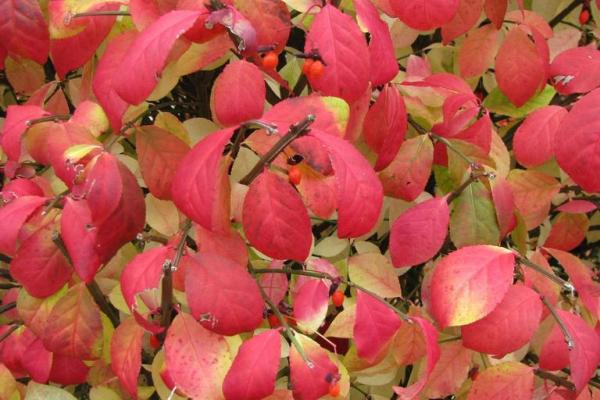
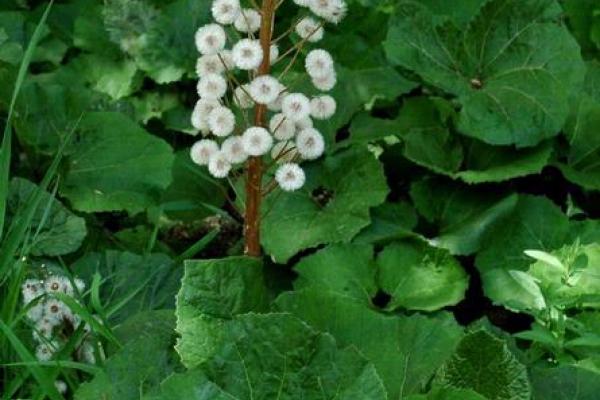
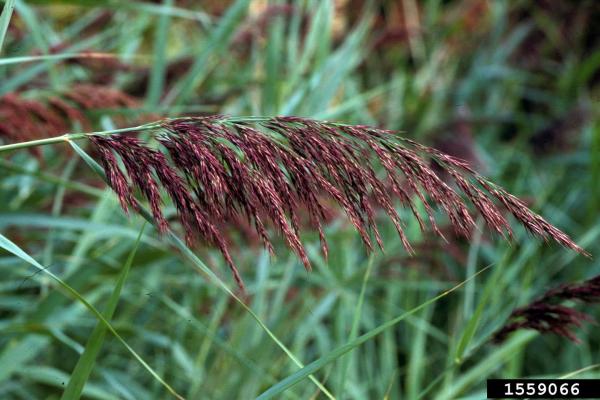
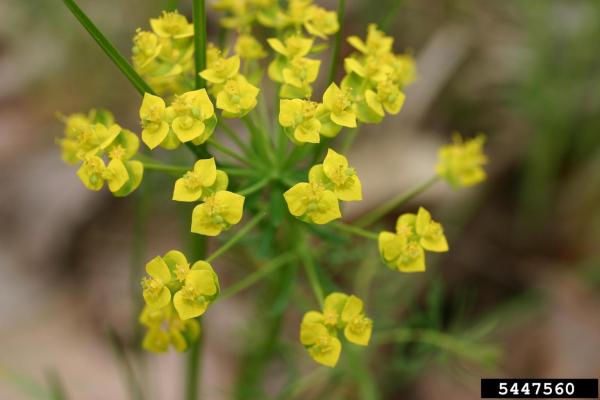
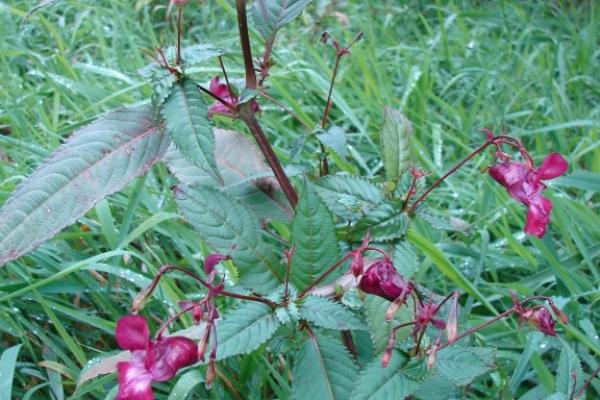
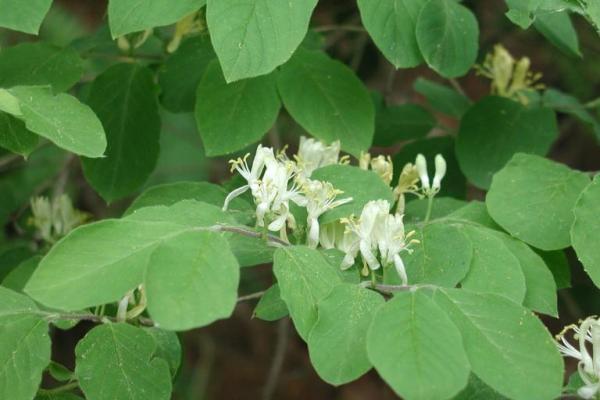
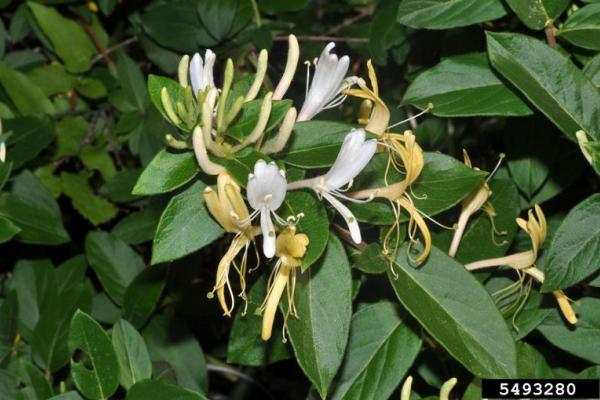
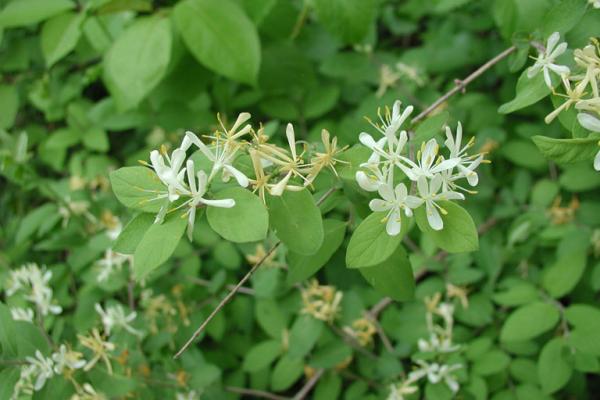
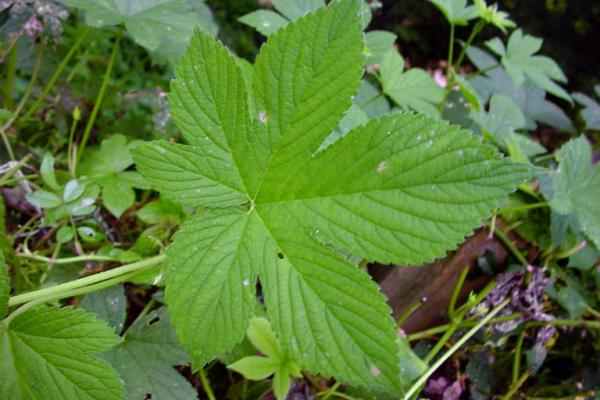
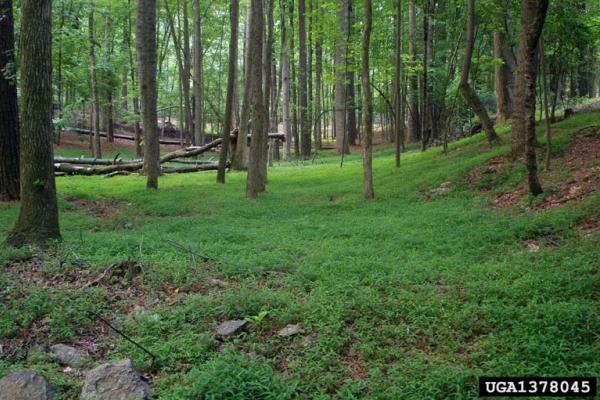
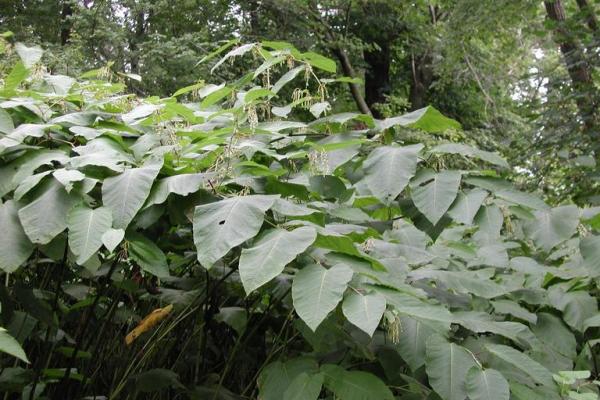
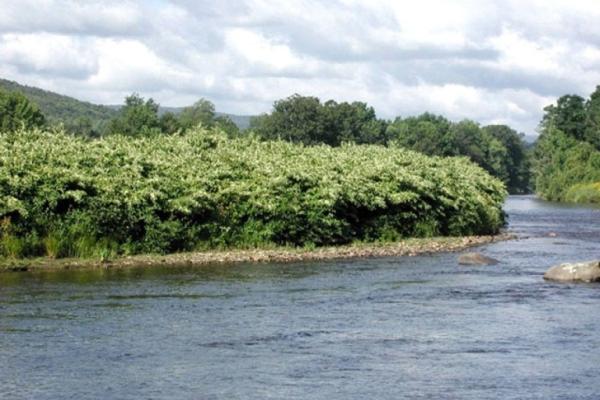
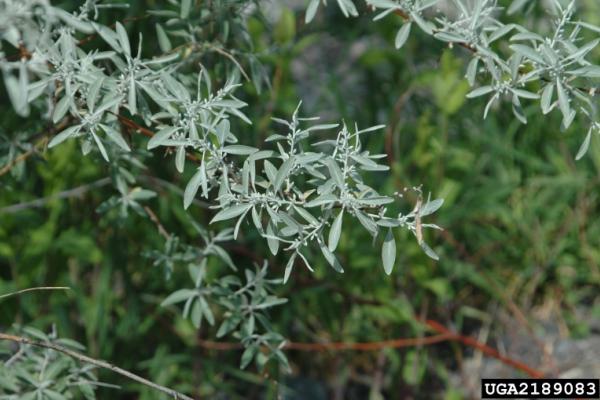
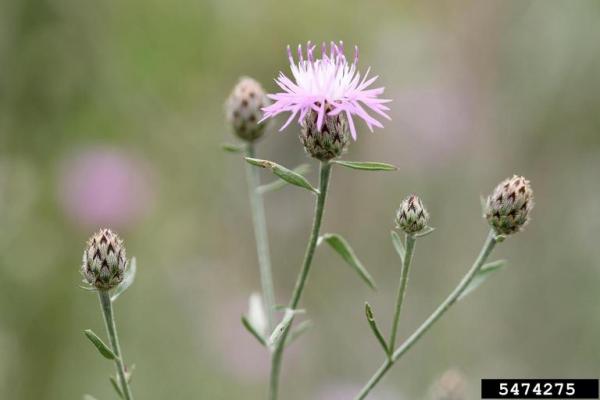
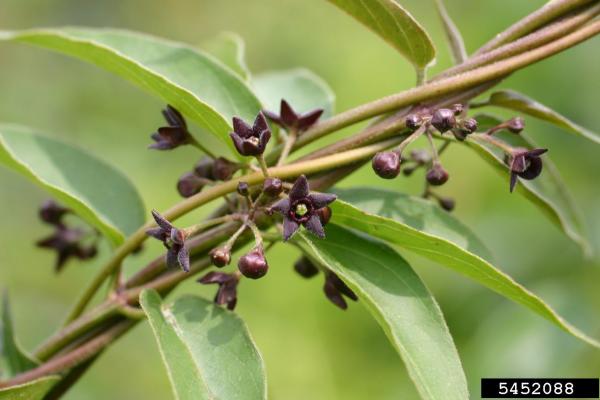
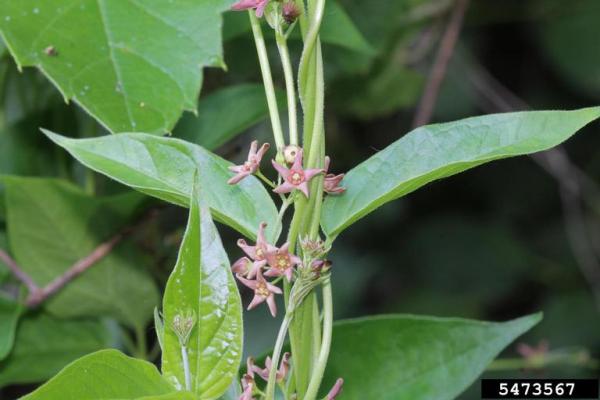
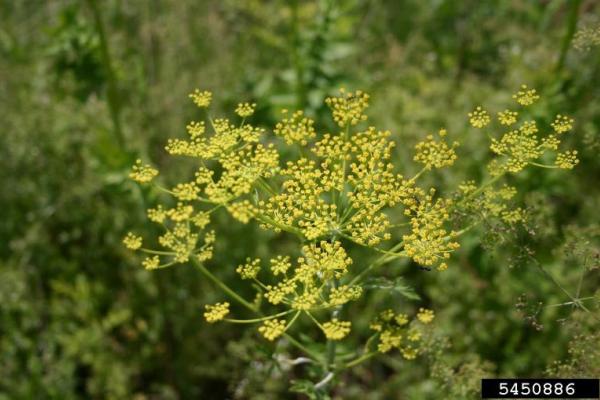
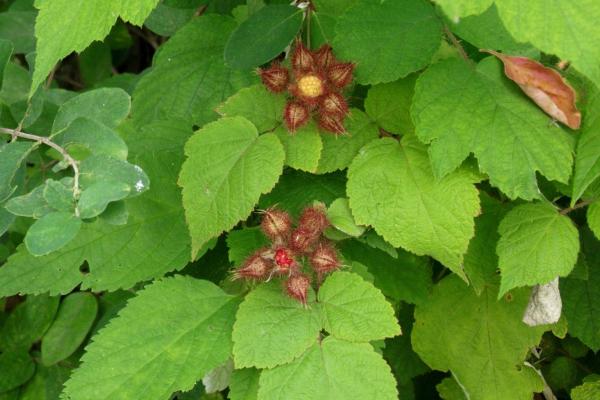
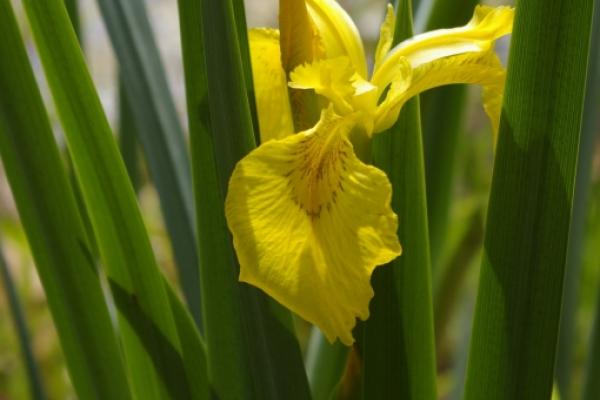
Introduced invasive plants have been accidentally or intentionally introduced from other places and cause harm to the things we value. Once established, these species can negatively impact agriculture, recreation, forestry, human heath, the environment, and the economy.
Introduced invasive plants are one of the greatest threats to the health of Northeastern forests. In Vermont, we have a Noxious Weed Quarantine, and an unofficial watchlist of other plants regulated by the Agency of Agriculture, Food and Markets. Introduced invasive plants and their impacts represent an ongoing stewardship issue that should be integrated into how we manage our forested, rural, agricultural, residential, and urban ecosystems.
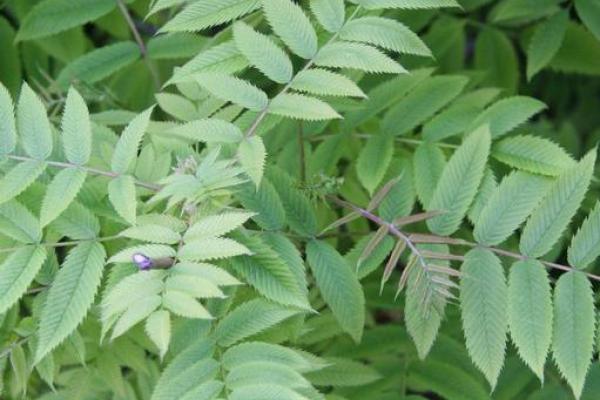
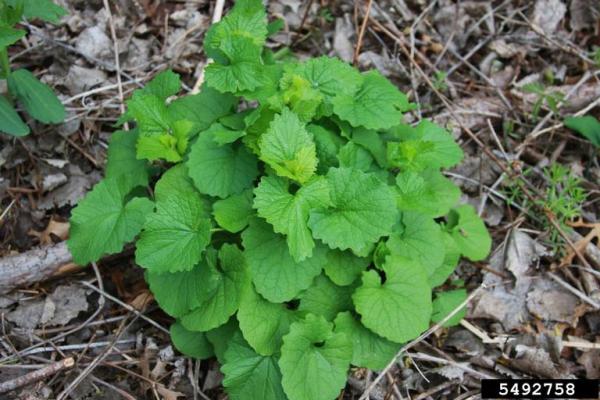
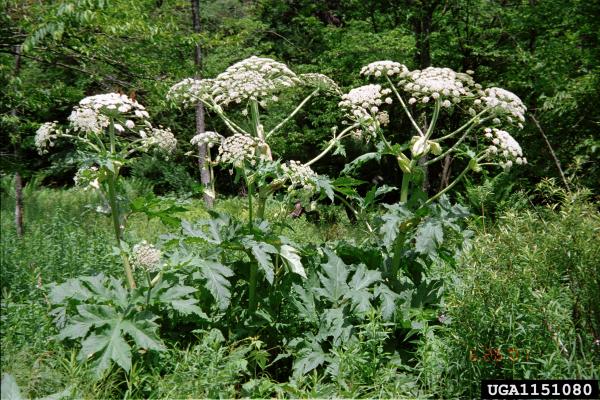
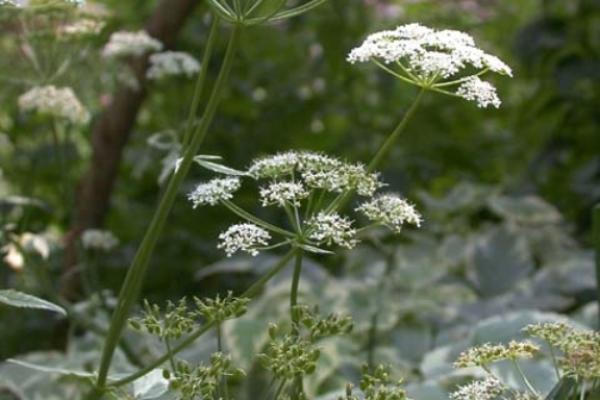
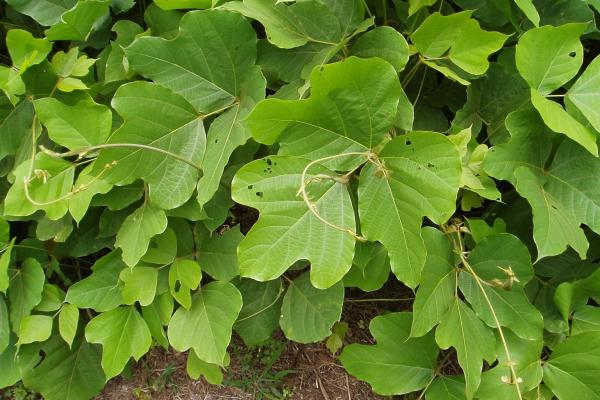
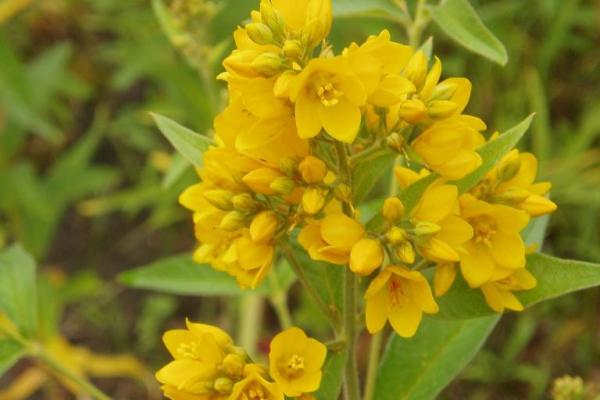
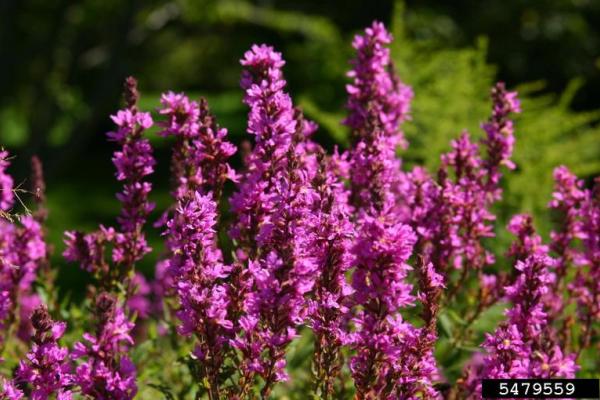
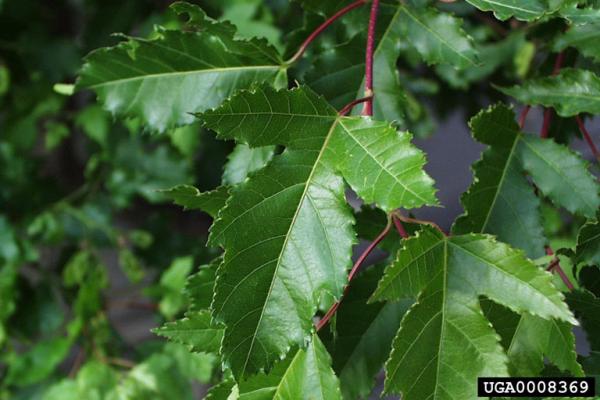
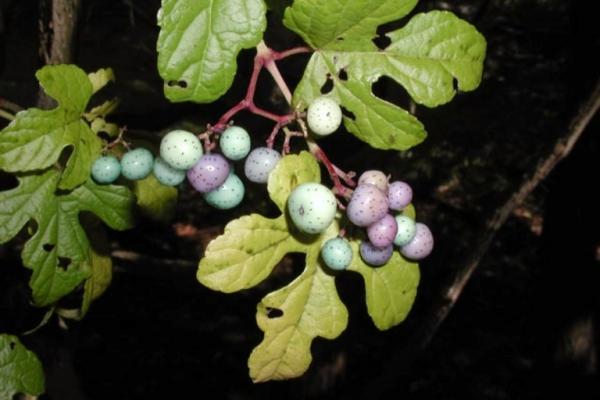
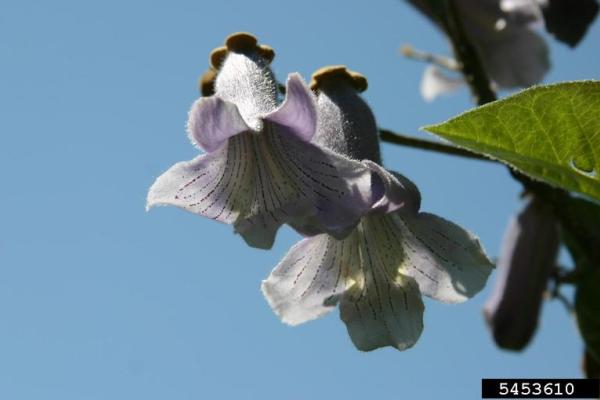
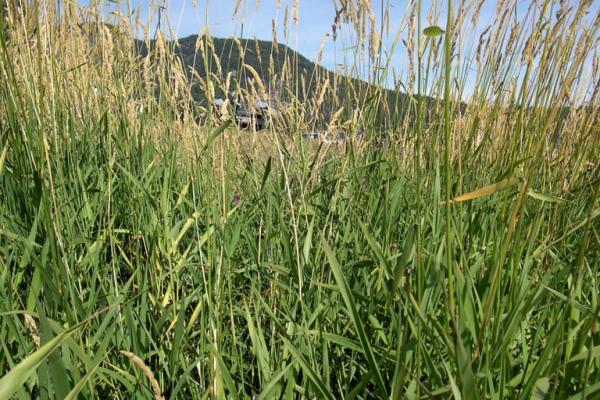
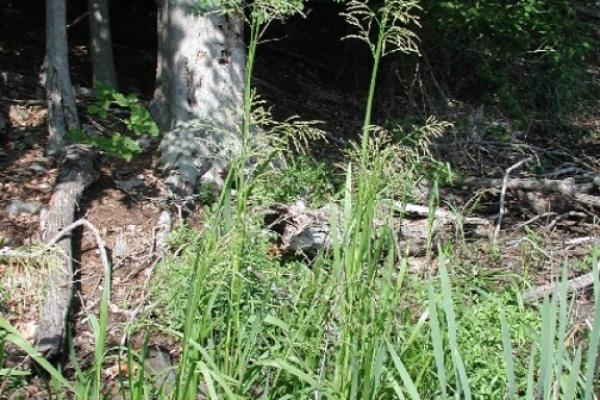
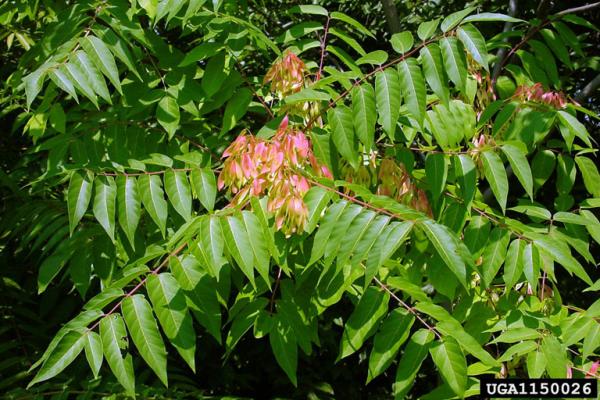
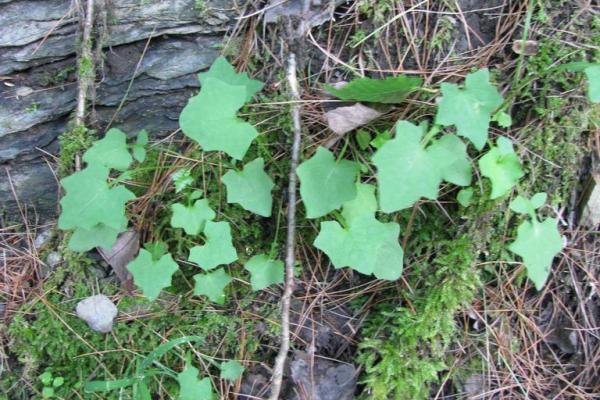
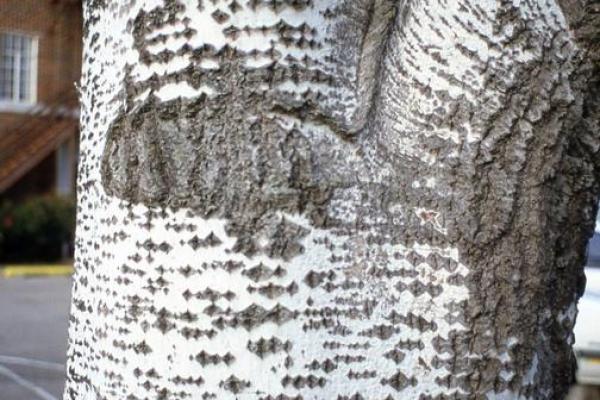
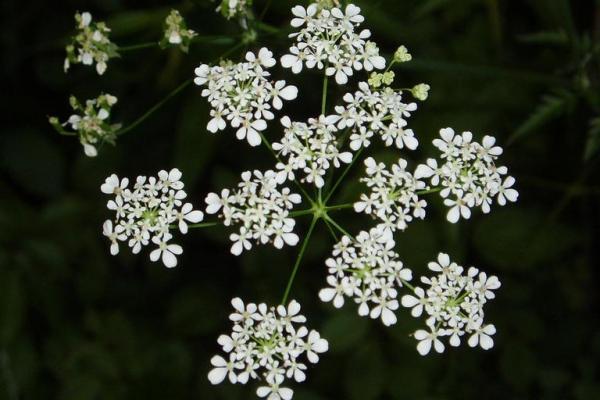
There are several species of introduced invasive terrestrial plants that are relatively new to Vermont and have not yet become widely established. The limited statewide distribution of these species means that there are opportunities for local removal if new populations are addressed promptly. In an effort to better understand where these "early detection" plant species are currently found, the Department of Forests, Parks and Recreation has developed a map that indicates their confirmed locations across the state. Click on the map below for more information.