• Intro to Invasives
    • What are invasive species?
    • What are their impacts?
  • Get Involved
    • Manage
    • Outreach
    • Report
      • Reporting Upland Plants
      • Reporting a Tree Disease
      • Reporting an Aquatic Animal
      • Reporting an Aquatic Plant
      • Reporting an Invasive Insect
    • Slow the Spread
      • Clean, Drain, Dry
      • Don't Move Firewood
      • Arrive Clean Campaign
      • Slow the Spread of EAB
      • Vermont Plant Quarantine
    • Volunteer
  • News & Events
    • Events
    • News
    • E-News Sign-Up
  • About Us
    • Contact
  • Twitter
  • Facebook
  • Instagram

Vermont Invasives

Main navigation

  • Water
  • Land

Breadcrumb

  1. Home
  2. Terrestrial Plants

Terrestrial Plants

Japanese hop

Humulus japonicus

  • Read more about Japanese hop
  • Japanese hop: leaves have 3-9 lobes, with a toothed margin.
  • Japanese hop: infestation.
  • Japanese hop: stems have small prickles.
  • Japanese hop: cluster.
  • Look-alike: common hop (Humulus lupulus); non-native, used to flavor beer.

Reed manna grass

Glyceria maxima

  • Read more about Reed manna grass
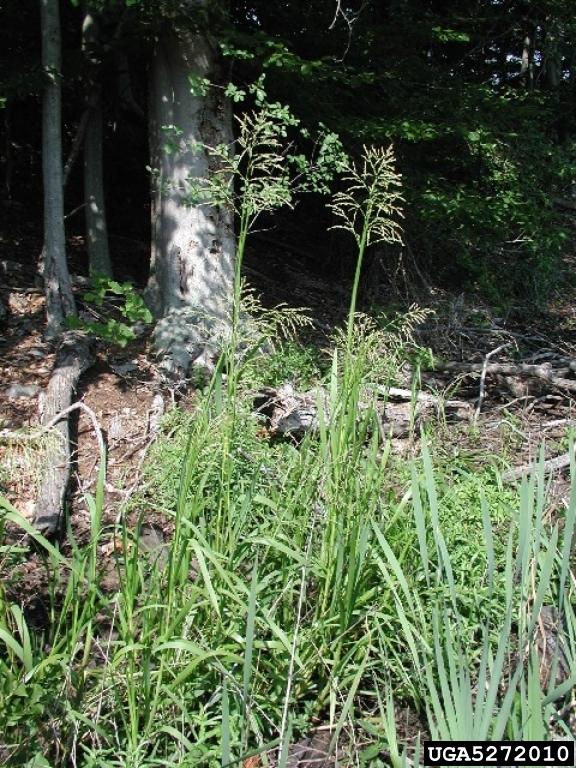
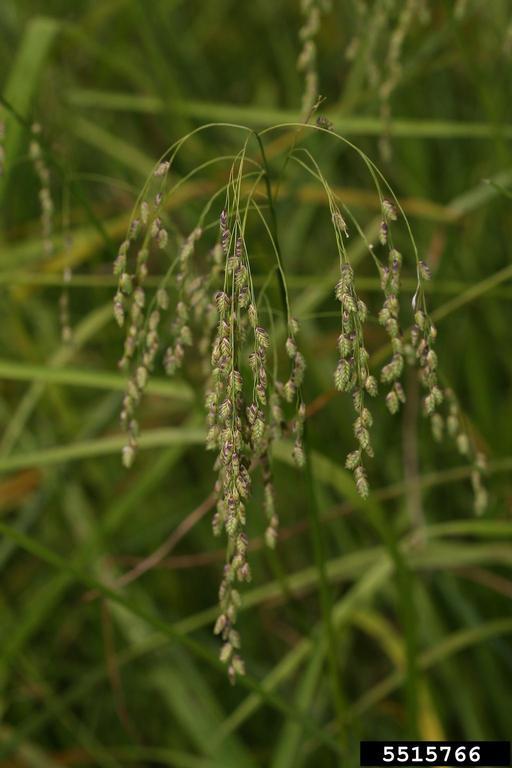
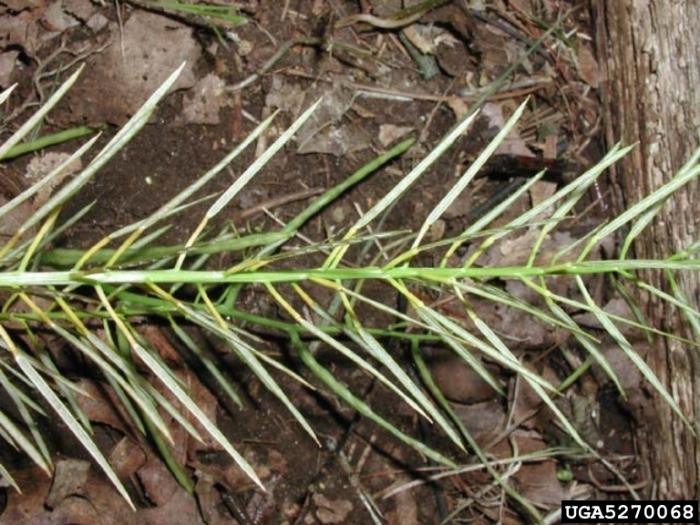
  • Reed manna grass: flowersare 6-12 in. long,open panicles. The panicle branches have short, stiff hairs like those on the leaf margins.
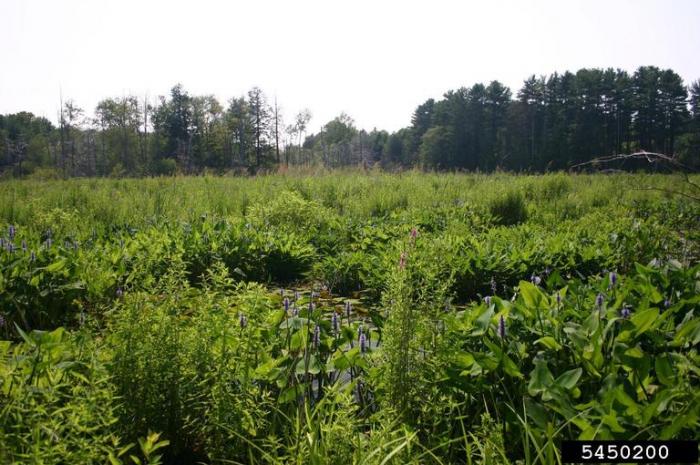
  • Reed manna grass: infestation.
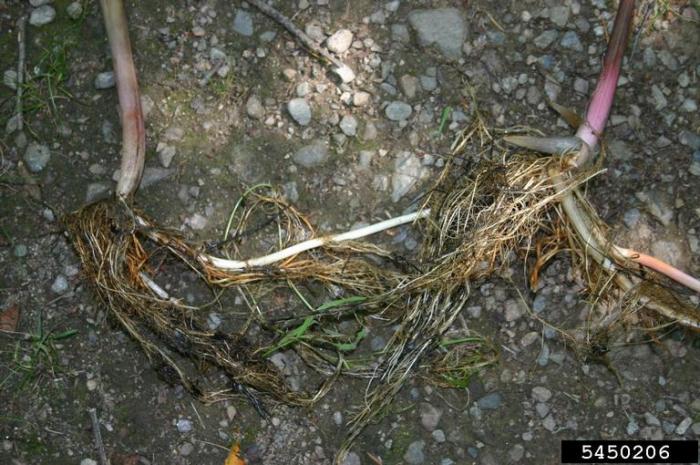
  • Reed manna grass: rhizomes.
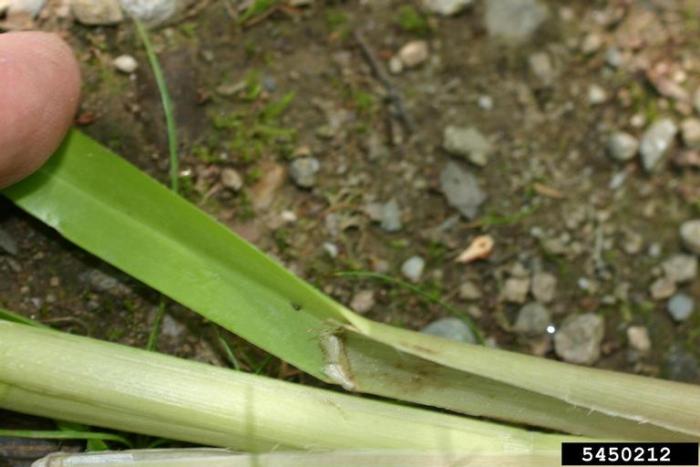
  • Reed manna grass: there is a brownish band at the leaf junction.
  • Look-alike: American mannagrass (Glyceria grandis S. Wats.) typically up to 4.5 ft. tall and has a nodding inflorescence with shorter spikelets.
Cypress spurge

Euphorbia cyparissias

  • Read more about Cypress spurge
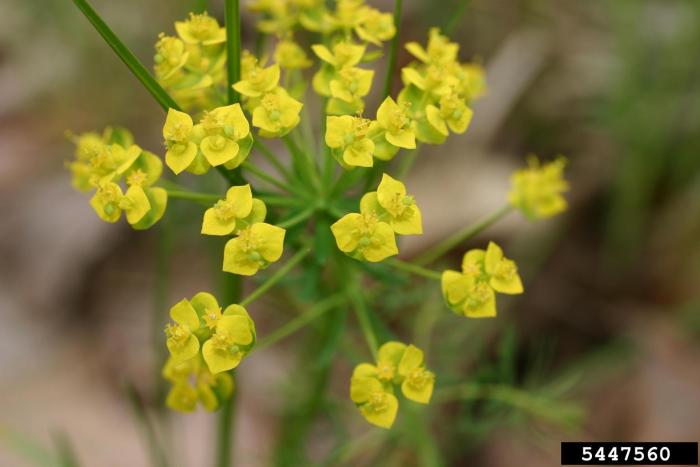
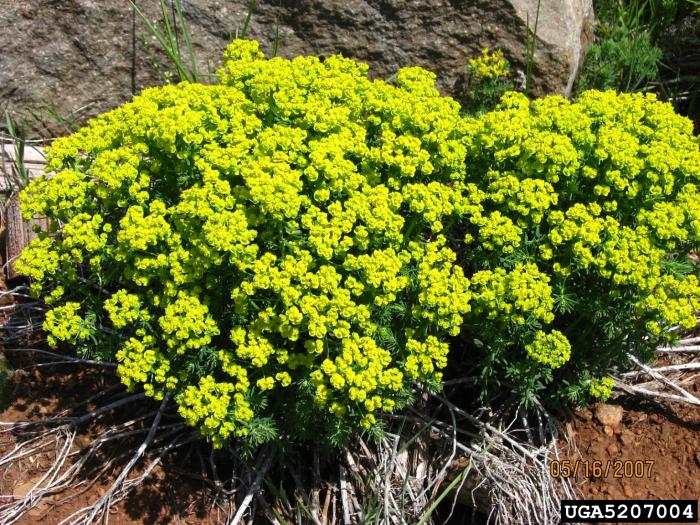
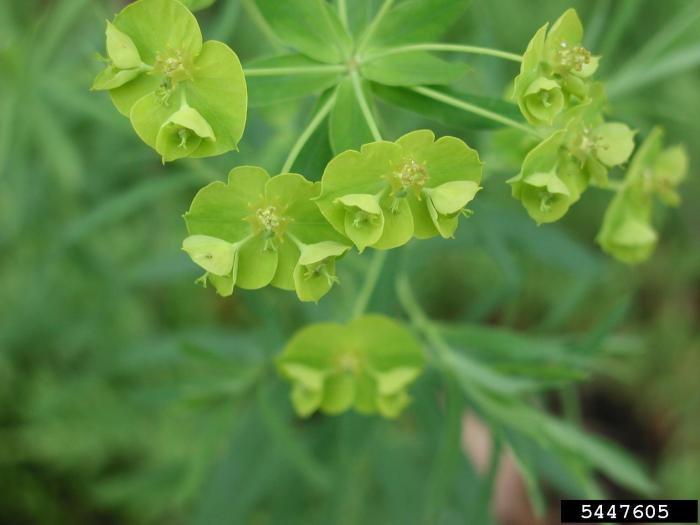
  • Cypress spurge: yellow-green, inconspicuous flowers are in a cyme at the top of the plant. Flowers mature to red.
  • Cypress spurge: yellow-green, inconspicuous flowers are in a cyme at the top of the plant. Flowers mature to red.
  • Cypress spurge: yellow-green, inconspicuous flowers are in a cyme at the top of the plant. Flowers mature to red.
  • Cypress spurge: yellow-green, inconspicuous flowers are in a cyme at the top of the plant. Flowers mature to red.
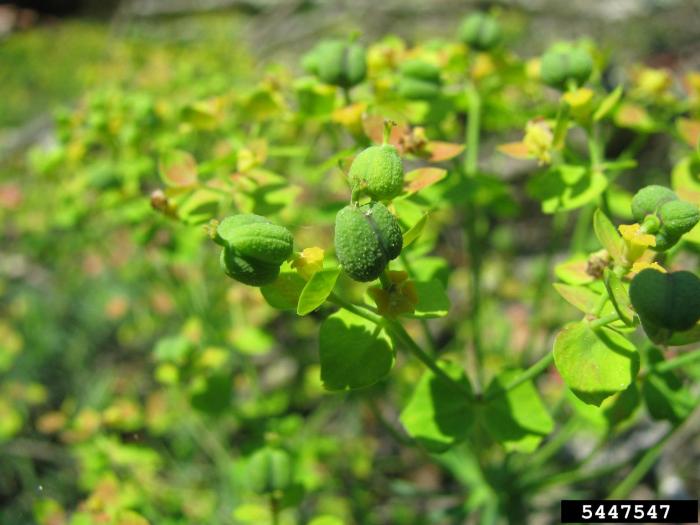
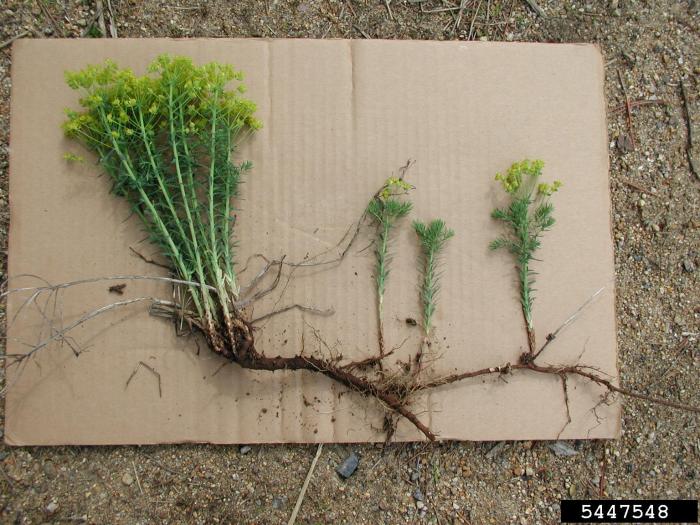
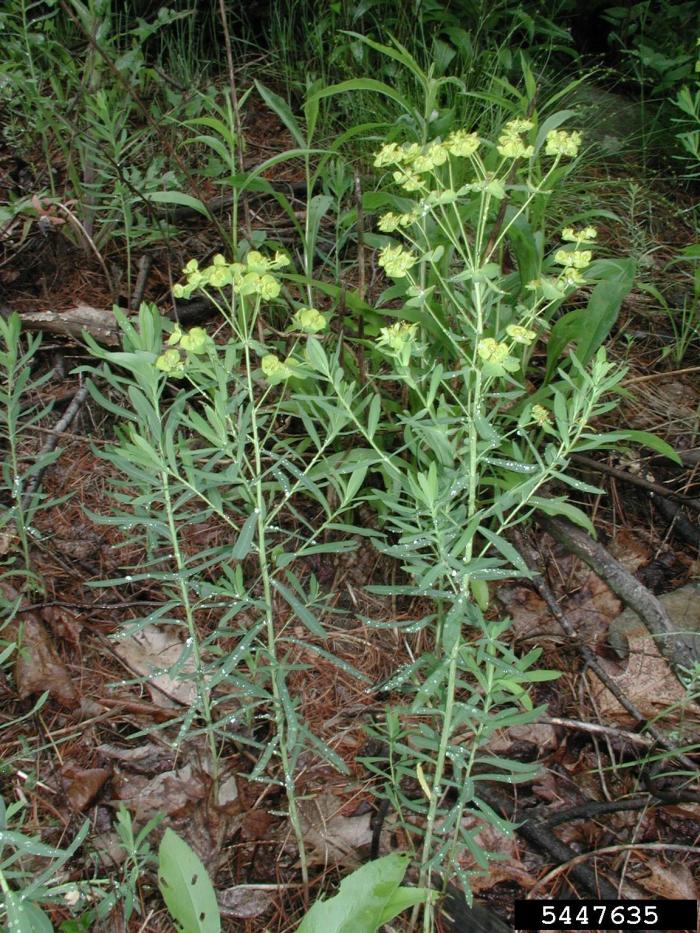
  • Cypress spurge: plants and roots.
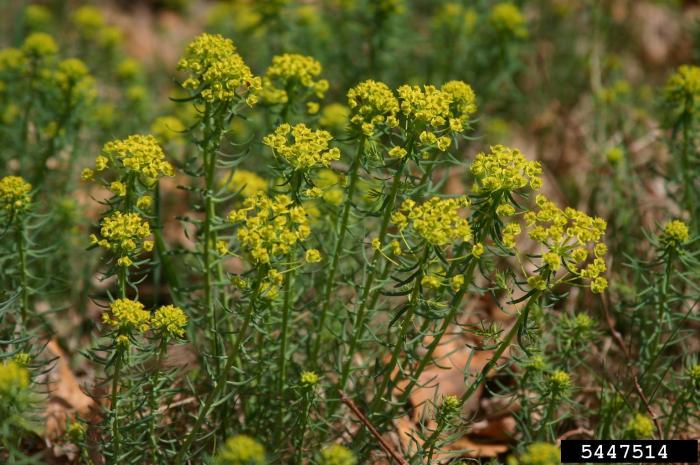
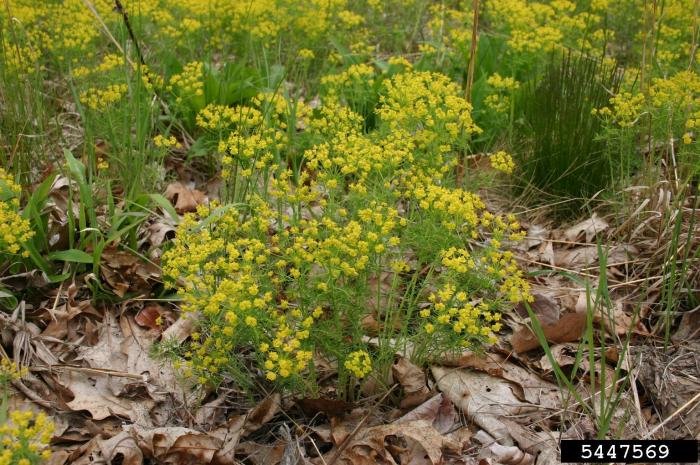
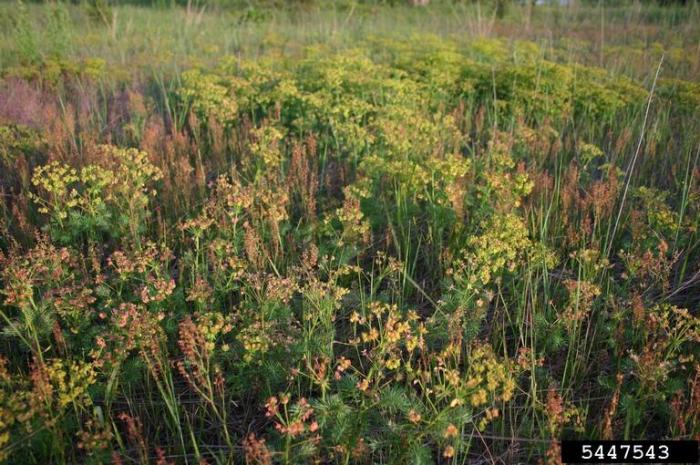
  • Cypress spurge: infestation.
  • Cypress spurge: infestation.
  • Look-alike: leafy spurge: leaves are lance shaped, smooth and 1-4 in. long. They are arranged alternately along the stem, becoming shorter and more ovate towards the top of the stem.
  • Look-alike: leafy spurge: leaves are lance shaped, smooth and 1-4 in. long. They are arranged alternately along the stem, becoming shorter and more ovate towards the top of the stem.

European Spindle-tree

Euonymus europaeus

  • Read more about European Spindle-tree
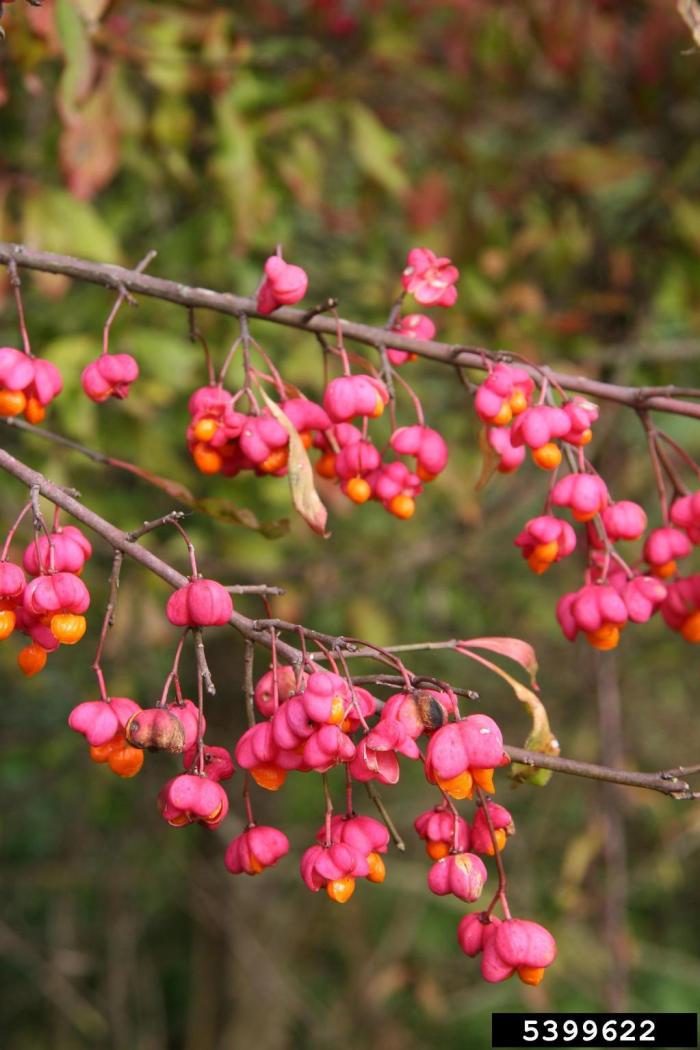
  • European spindle-tree: 4-lobed capsule, 1/2 inch across, pink to purple in color, splits open to reveal dark red seeds, ripens in fall.
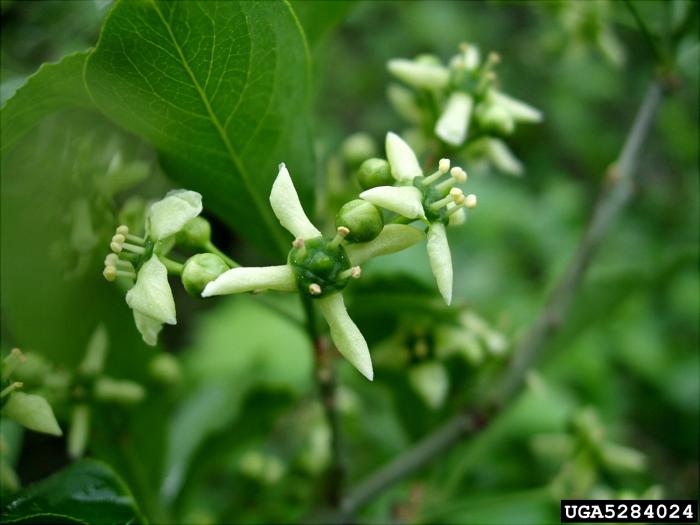
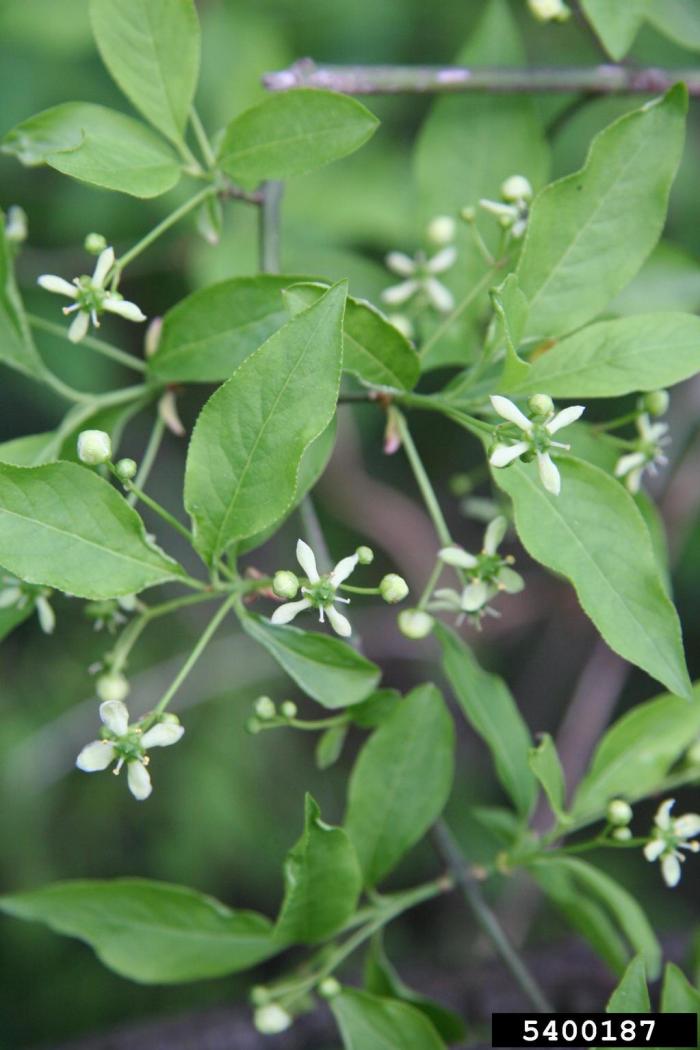
  • European spindle-tree: flowers are inconspicuous (1/3 inch across), 4 greenish-white petals with purple anthers, appearing in late spring in multiple branched clusters.
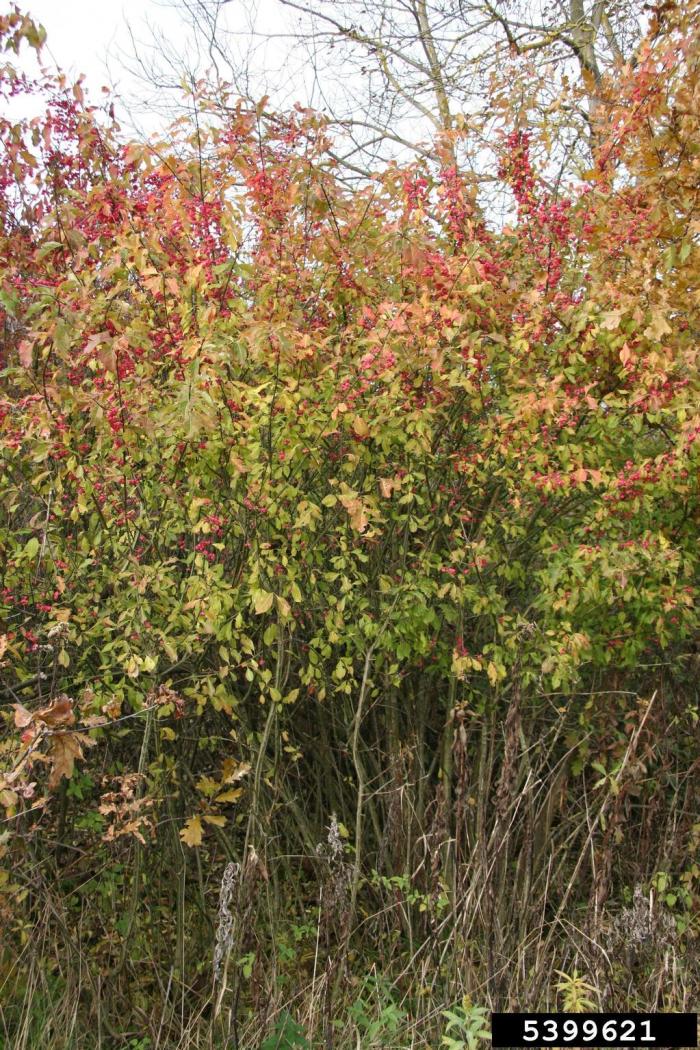
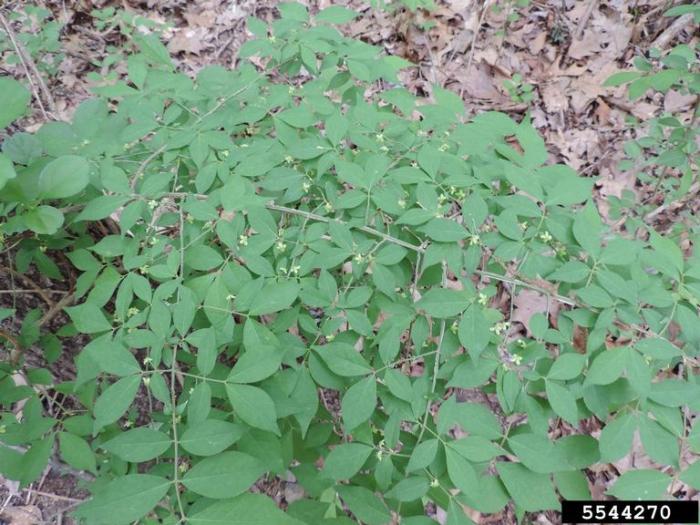
  • European spindle-tree: infestation.
  • European spindle-tree: flowers are inconspicuous (1/3 inch across), 4 greenish-white petals with purple anthers, appearing in late spring in multiple branched clusters.
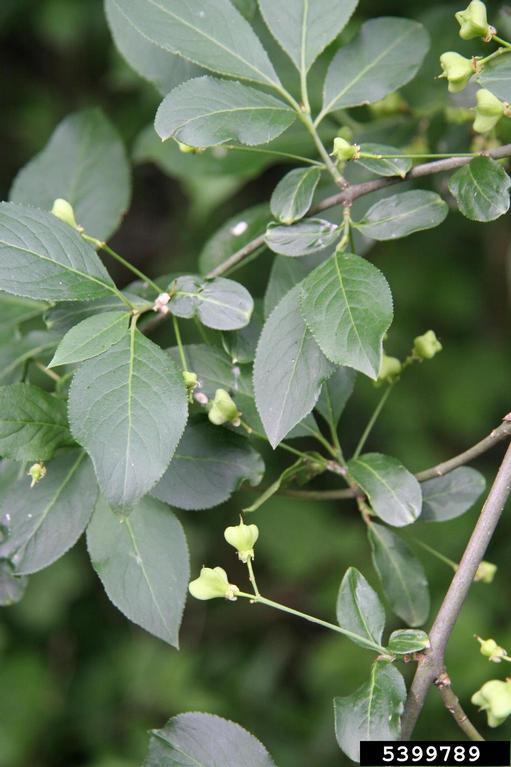
  • European spindle-tree: opposite, simple, elliptical, 2 1/2 to 4 inches long, finely serrated, long pointed, green above, paler and may be pubescent below.
  • Look-alike: winged burning bush (Euonymus alatus) also an invasive species.

Russian olive

Elaeagnus angustifolia

  • Read more about Russian olive
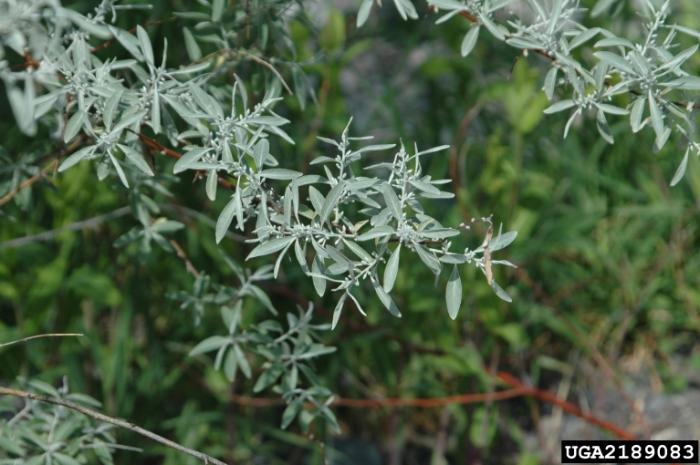
  • Russian olive: silvery scales cover both sides of its leaves.
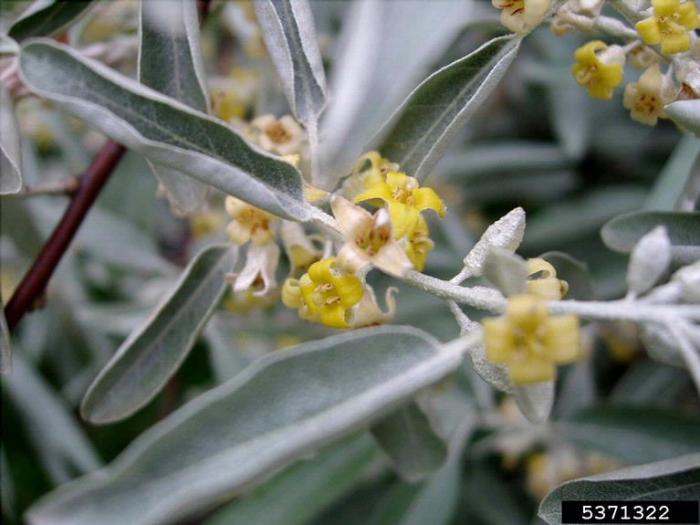
  • Russian olive: fragrant flowers are 0.5-0.6 in. wide, silvery outside and yellow within. There are 1-3 flowers within the leaf axils.
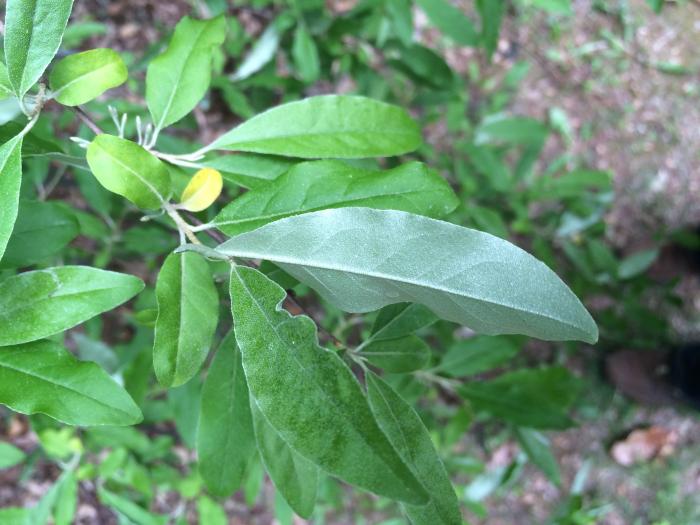
  • Look-alike: autumn olive, (also an invasive species) alternate long oval leaves, with silvery undersides, and slight wave to the edge.

Spotted knapweed

Centaurea stoebe

  • Read more about Spotted knapweed
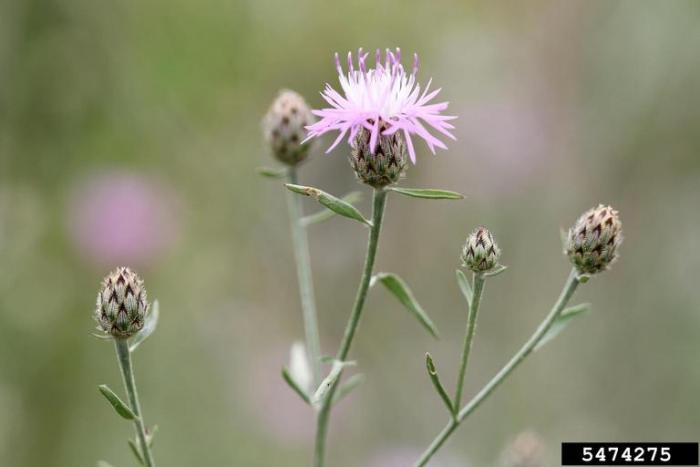
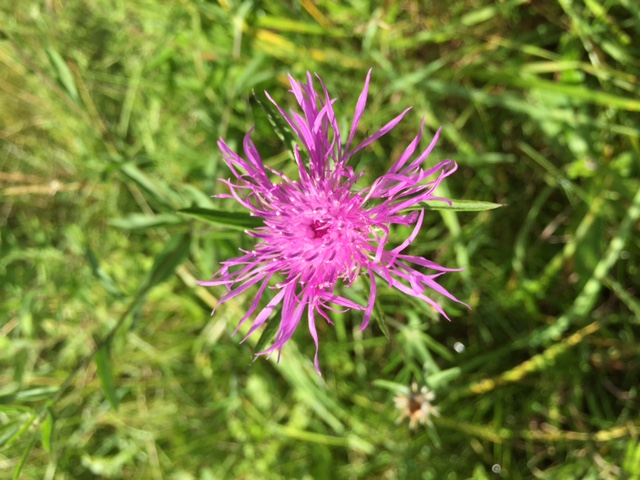
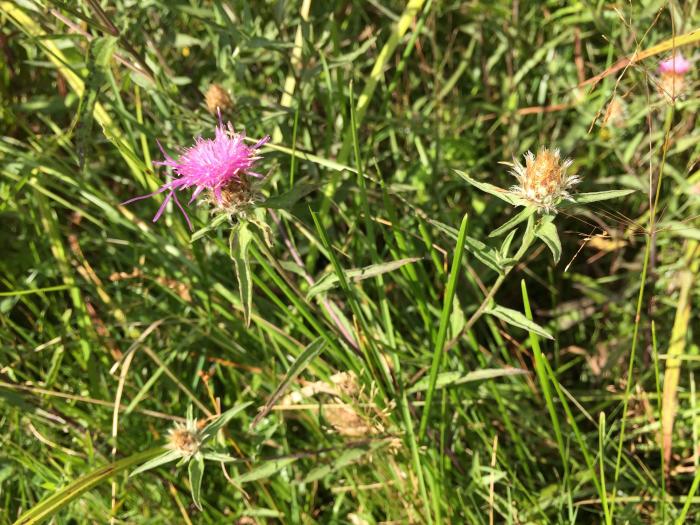
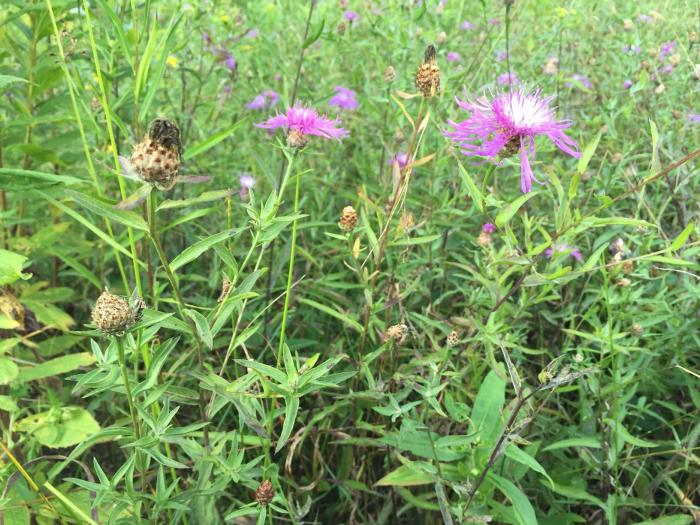
  • Spotted knapweed: characteristic black-tipped bracts.
  • Spotted knapweed: flowers, pinkish-to-lavender thistle plume to radiate out and up.
  • Spotted knapweed: flowers going to seed. Tightly packed seed heads of oblong, brownish, hairy nutlets, topped by short stubby bristles.
  • Spotted knapweed: leaves are alternate, grayish-green. Plants grow up to 3' tall.
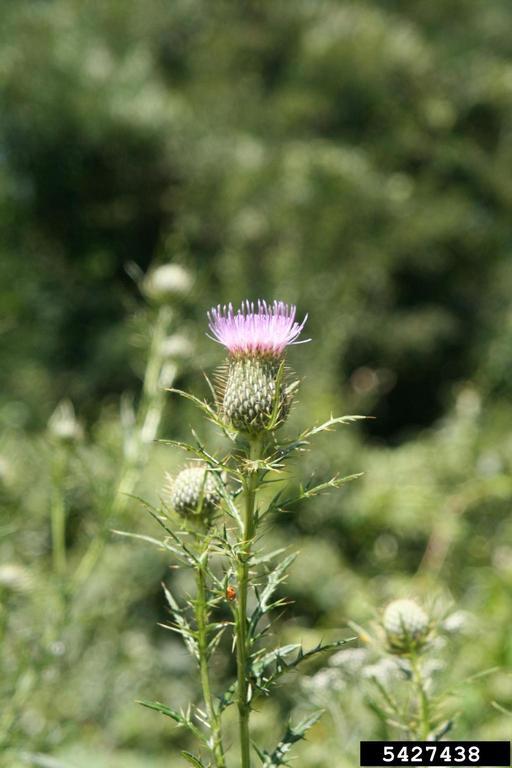
  • Look-alike: field thistle (Cirsium discolor) flower bud bracts have silver stripe and a spine.

Narrow-leaved bitter-cress

Cardamine impatiens

  • Read more about Narrow-leaved bitter-cress
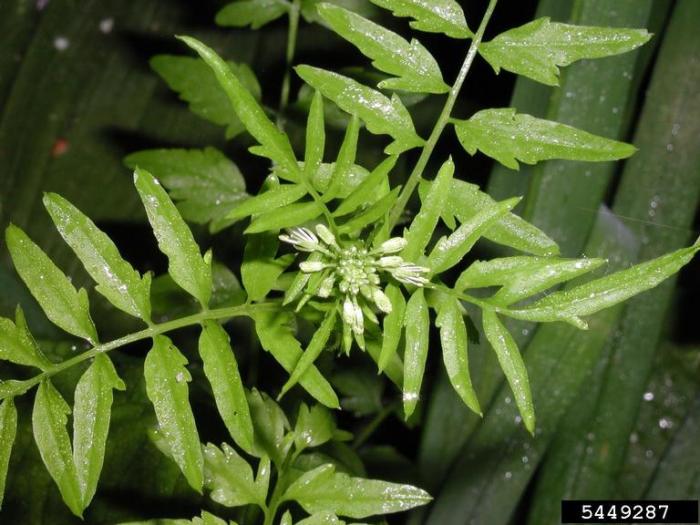
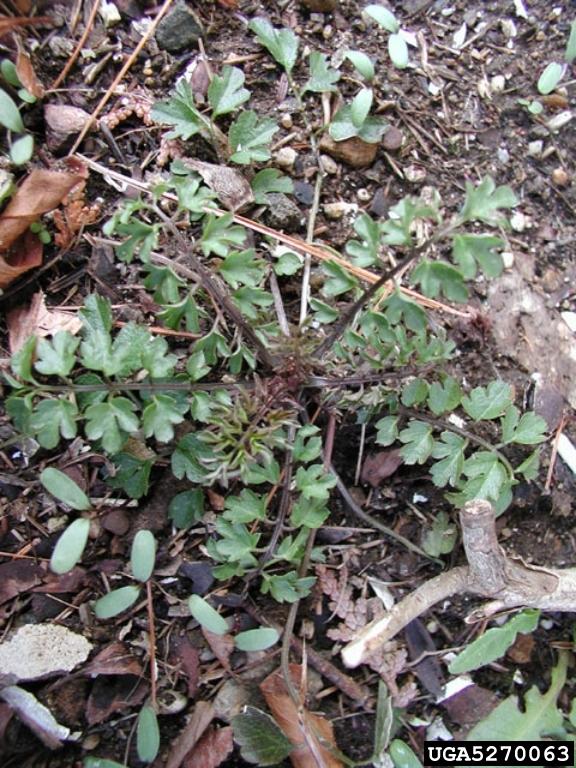
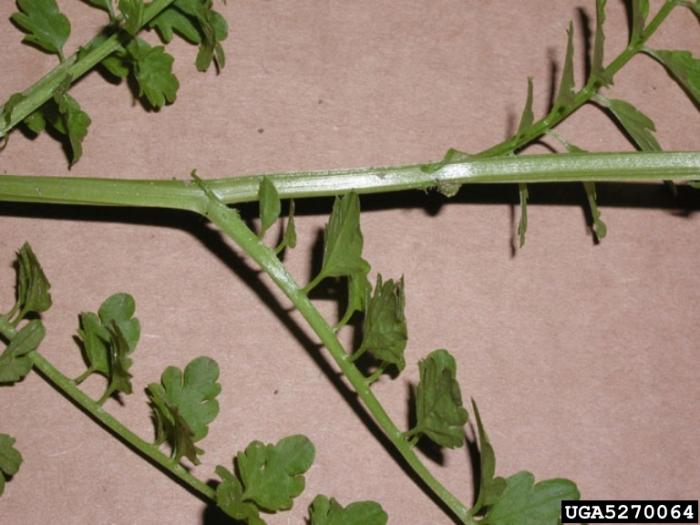
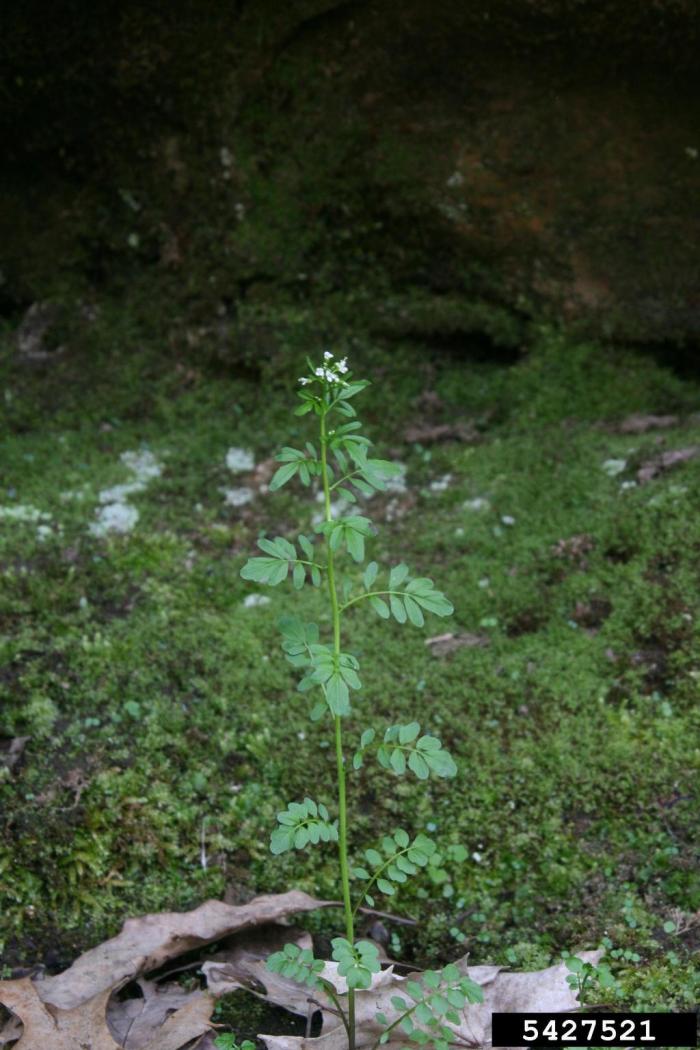
  • Narrow-leaved bitter-cress: basal rosette of leaves are pinnately divided. The leaves have a pair of fleshy blunt projections ('ears') turned downward at their base, which is an important diagnostic characteristic.
  • Narrow-leaved bitter-cress: basal rosette of leaves are pinnately divided.
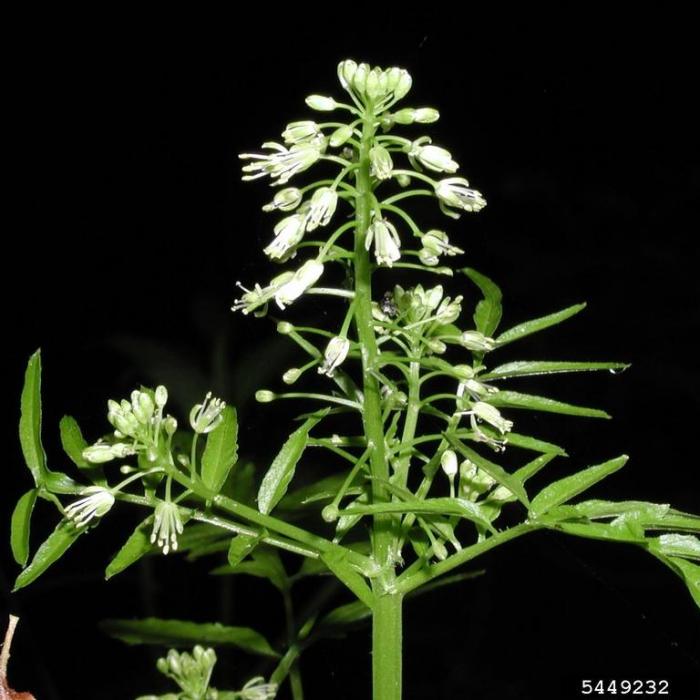
  • Narrow-leaved bitter-cress: white flowers are small, being up to 0.1 in
  • Narrow-leaved bitter-cress: leaves (6-20) are thin and membranous.
  • Narrow-leaved bitter-cress: fruit is a slender, upward-growing, string bean-like silique.
  • Look-alike: Pennsylvania Bittercress (Cardamine pensylvanica). This plant does not have fleshy blunt projections ('ears') when leaves are removed.

Porcelain berry

Ampelopsis glandulosa var. brevipedunculata

  • Read more about Porcelain berry
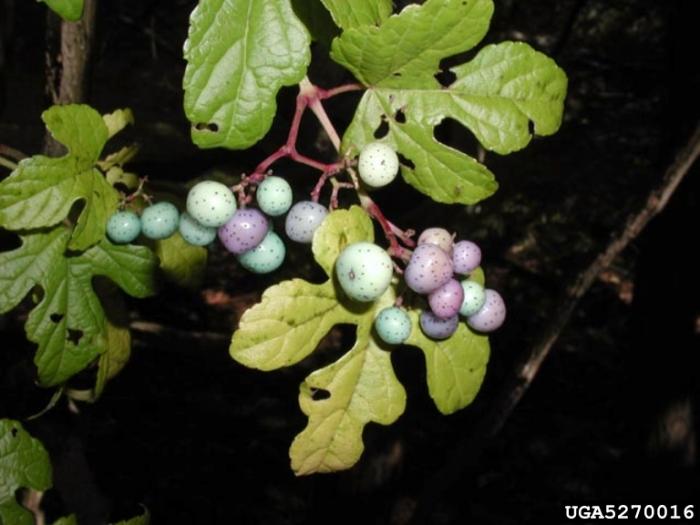
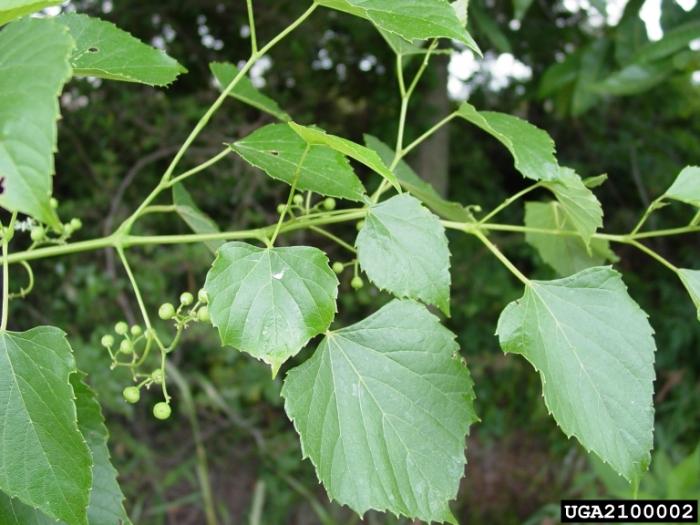
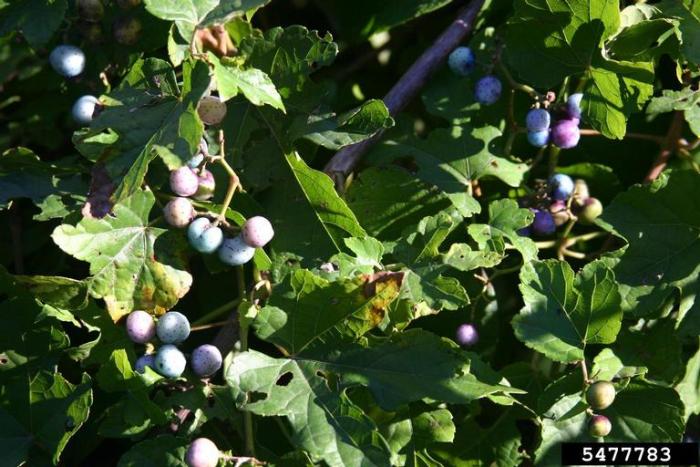
  • Porcelain berry: fruits are small berries that range from yellow to purple to blue in color.
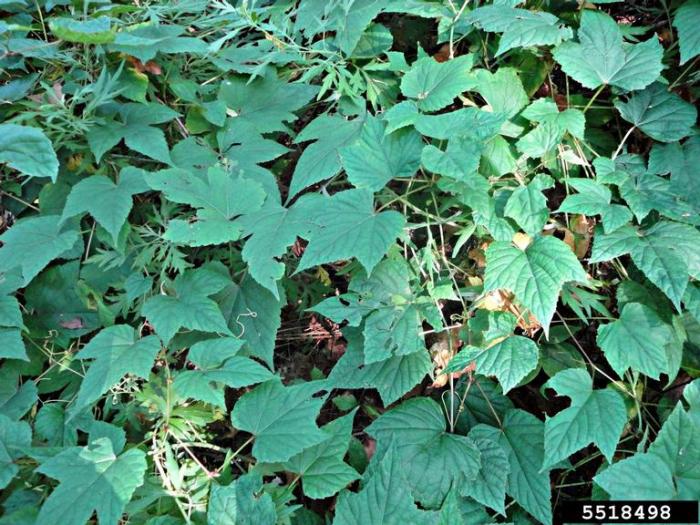
  • Porcelain berry: alternate leaves are simple and heart-shaped with coarse teeth along the margins. The leaves vary from slightly lobed to deeply dissected.
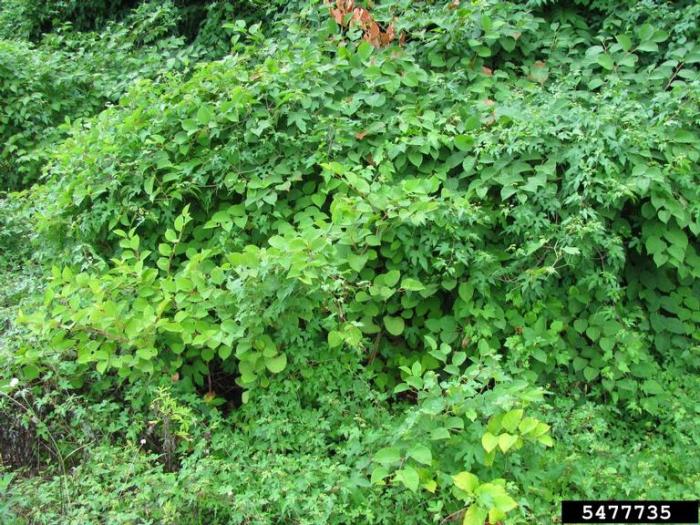
  • Porcelain berry: infestation.
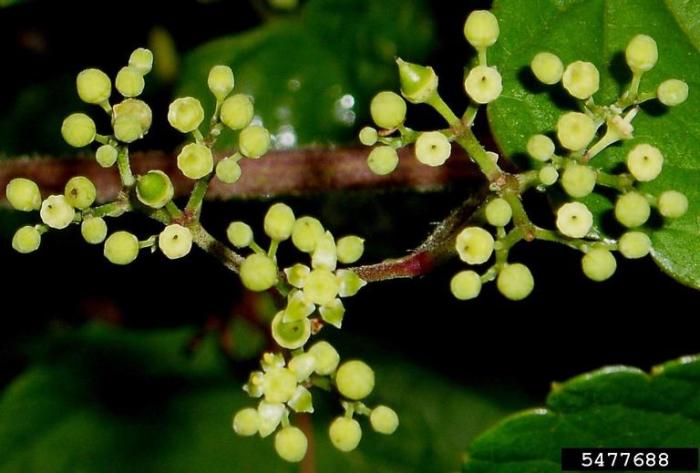
  • Porcelain berry: inconspicuous flowers (white to green) develop in small clusters.
  • Porcelain berry: fruits are small berries that range from yellow to purple to blue in color.
  • Look-alike: heartleaf peppervine (Ampelopsis cordata) leaves are toothed to obscurely lobed.

False Indigo

Amorpha fruticosa

  • Read more about False Indigo
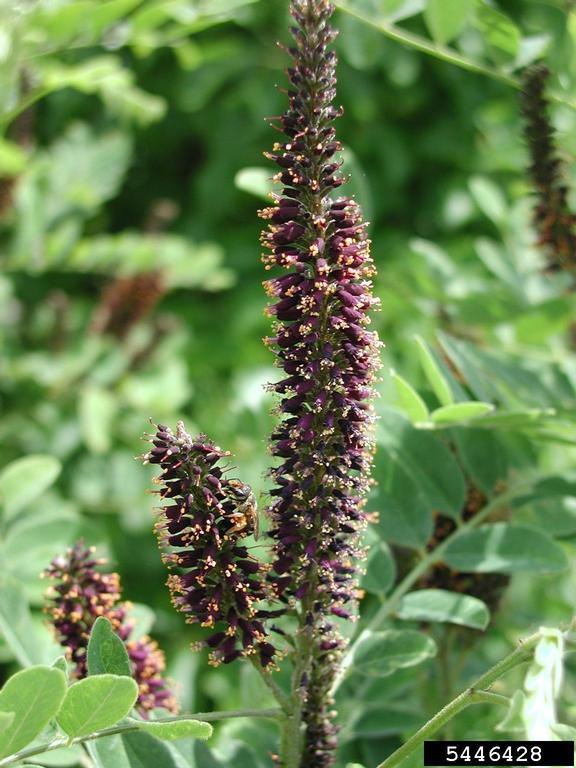
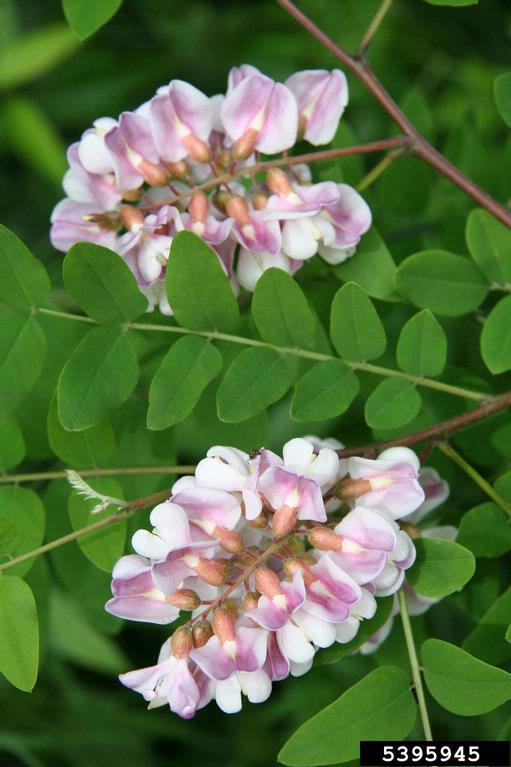
  • False indigo: flowers are slender spikes at the ends of the twigs.
  • False indigo: flowers are slender spikes at the ends of the twigs.
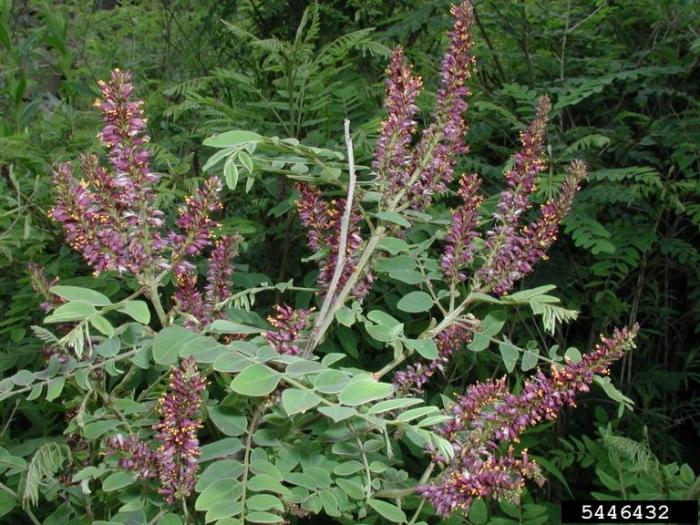
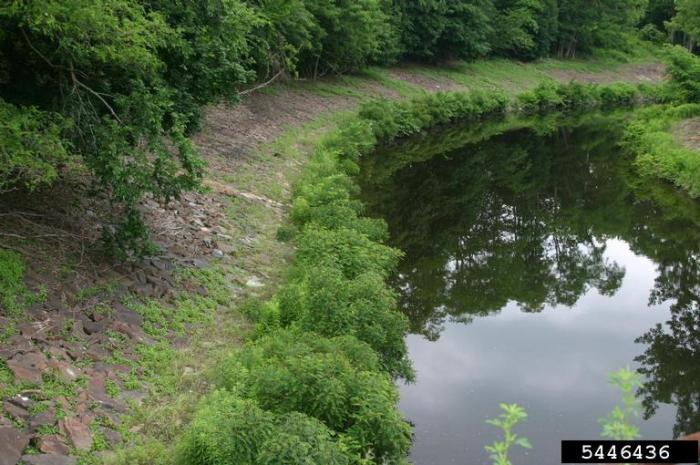
  • False indigo: infestation.
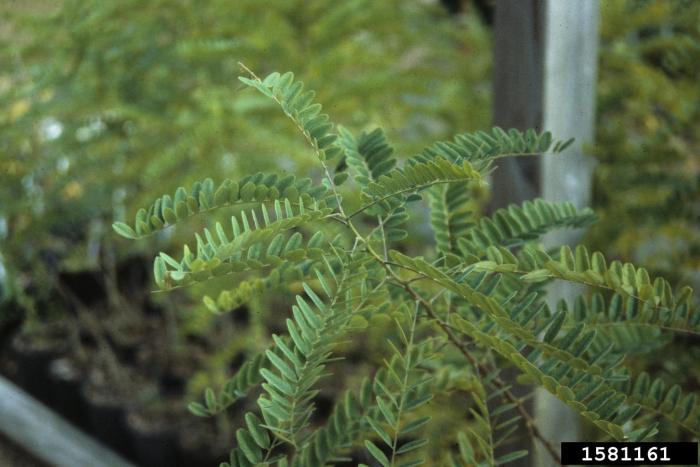
  • False indigo: alternate, pinnately compound leaves up to 10 inches long, 13 to 35 leaflets per leaf.
  • Look-alike: bristly locust (Robinia hispida), looks similar to false indigo when they are young

Maple, Amur

Acer ginnala

  • Read more about Maple, Amur
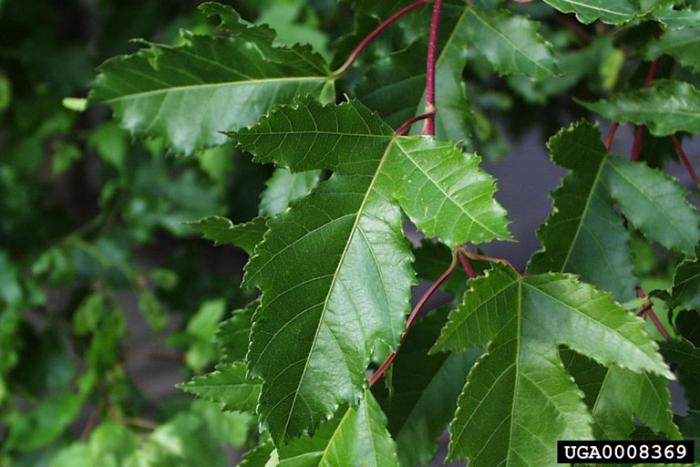
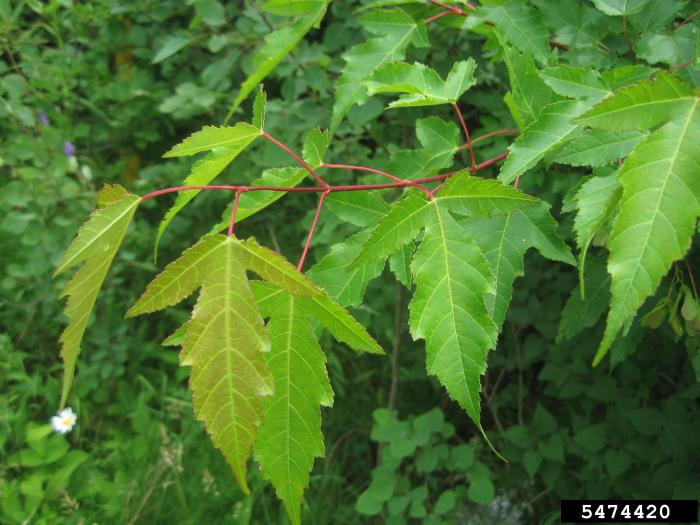
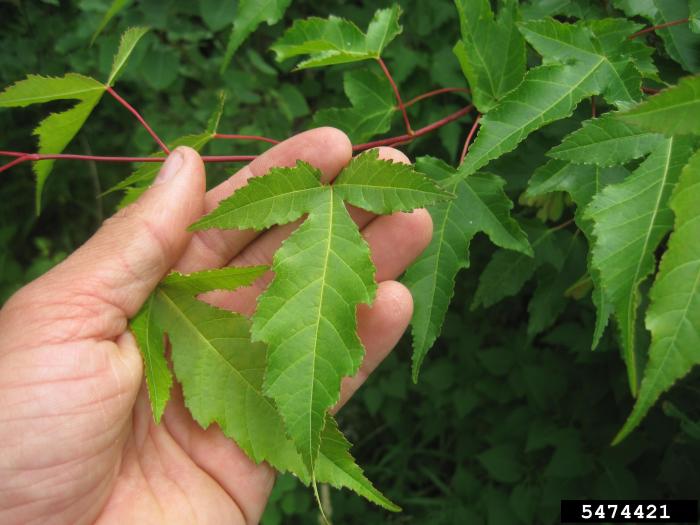
  • Amur maple: leaf has three lobes, the center lobe is much more prominent than the other two lobes.
  • Amur maple: leaf has three lobes, the center lobe is much more prominent than the other two lobes.
  • Amur maple: leaf has three lobes, the center lobe is much more prominent than the other two lobes.
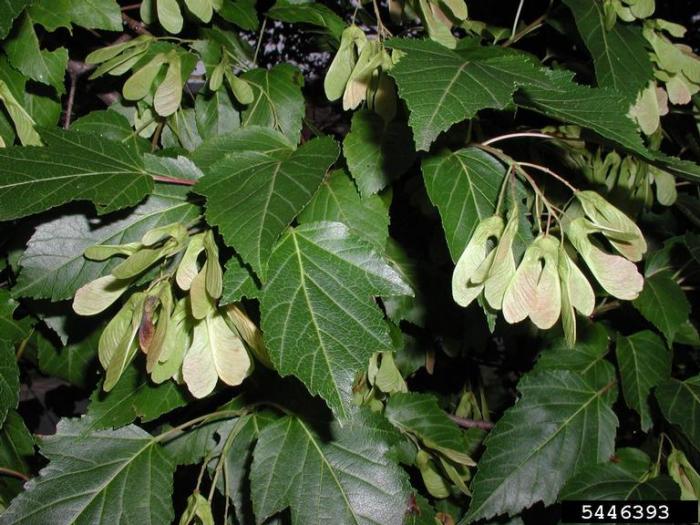
  • Amur maple: reddish fruit (samaras), which hang on the tree until late fall, have nearly parallel wings.
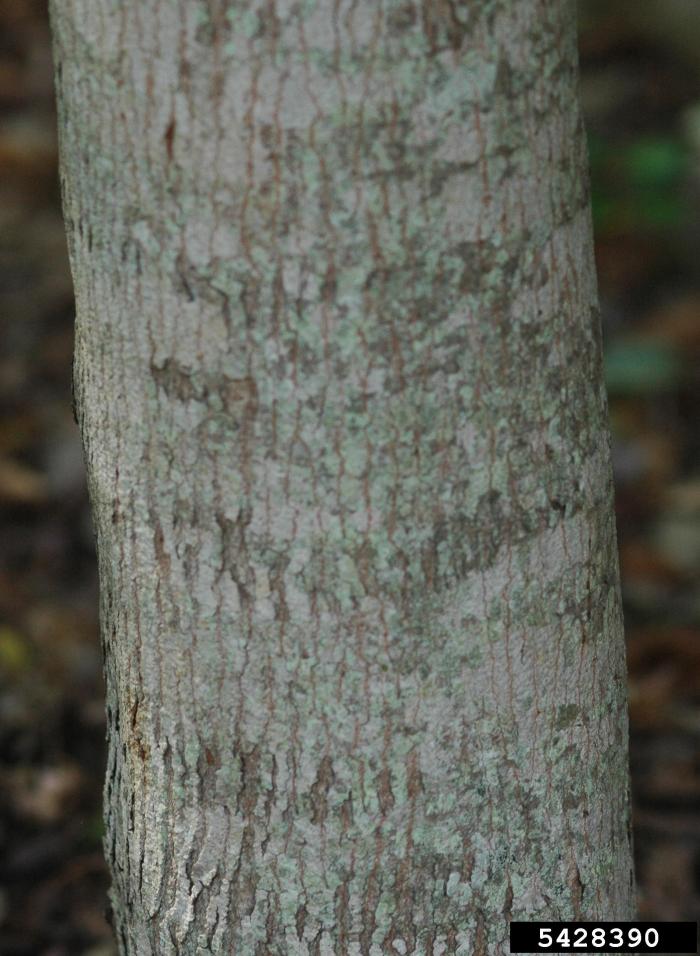
  • Amur maple: bark of the tree is smooth and gray.
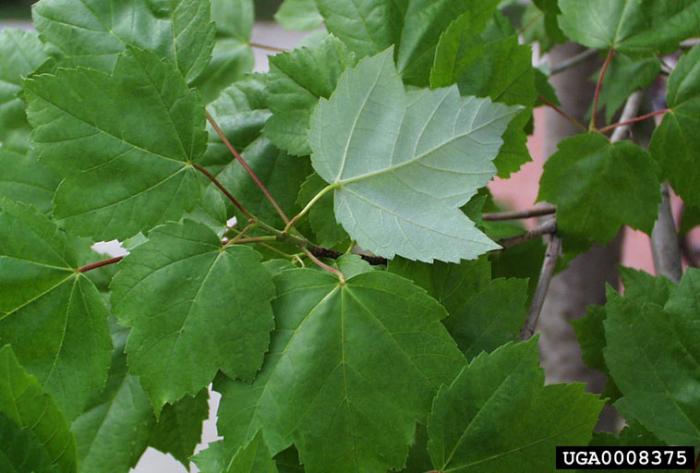
  • Look-alike: red maple

Pagination

  • Previous page ‹‹
  • Page 20
  • Next page ››
Subscribe to Terrestrial Plants

Helpful Information

  • Contact
  • Slow the Spread
  • Manage
  • Events

Main navigation

  • Water
  • Land

Report it!

  • Vermont Department of Forests, Parks and Recreation
  • Vermont Extension

This website was supported by an Innovations and Collaborations Grant from the Vermont Community Foundation.

Site by Tamarack Media Cooperative. Cover image by Brian Leedy.