• Intro to Invasives
    • What are invasive species?
    • What are their impacts?
  • Get Involved
    • Manage
    • Outreach
    • Report
      • Reporting Upland Plants
      • Reporting a Tree Disease
      • Reporting an Aquatic Animal
      • Reporting an Aquatic Plant
      • Reporting an Invasive Insect
    • Slow the Spread
      • Clean, Drain, Dry
      • Don't Move Firewood
      • Arrive Clean Campaign
      • Slow the Spread of EAB
      • Vermont Plant Quarantine
    • Volunteer
  • News & Events
    • Events
    • News
    • E-News Sign-Up
  • About Us
    • Contact
  • Twitter
  • Facebook
  • Instagram

Vermont Invasives

Main navigation

  • Water
  • Land

Breadcrumb

  1. Home
  2. Terrestrial Plants

Terrestrial Plants

Common Barberry

Berberis vulgaris

  • Read more about Common Barberry

Tree-of-heaven

Ailanthus altissima

  • Read more about Tree-of-heaven
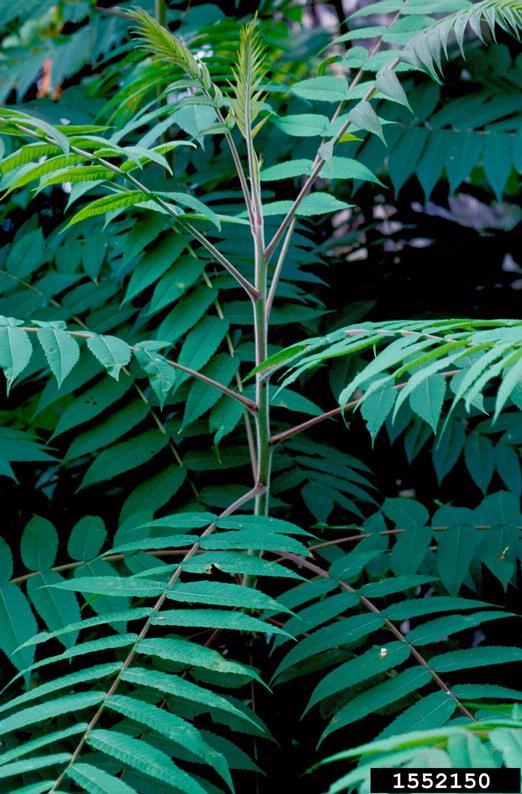
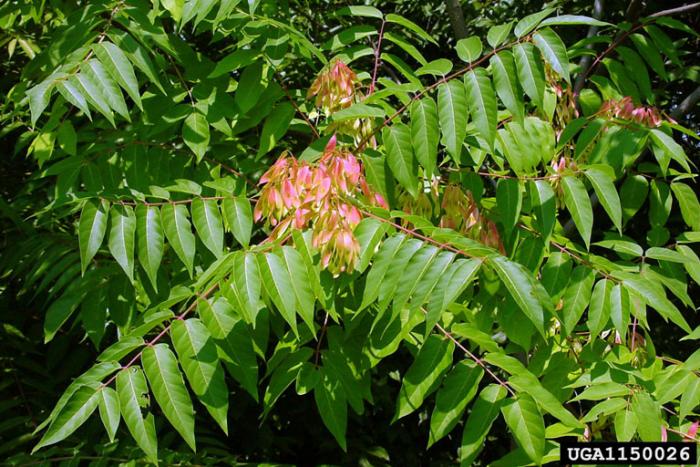
  • Tree-of-heaven: leaves are pinnately compound and 1-4 ft. in length with 10-41 leaflets.
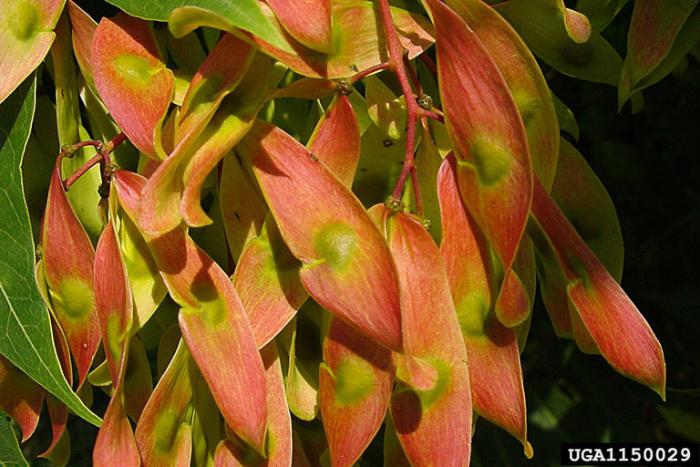
  • Tree-of-heaven: fruit produced on female plants are tan to reddish, single winged and can be wind or water-dispersed.
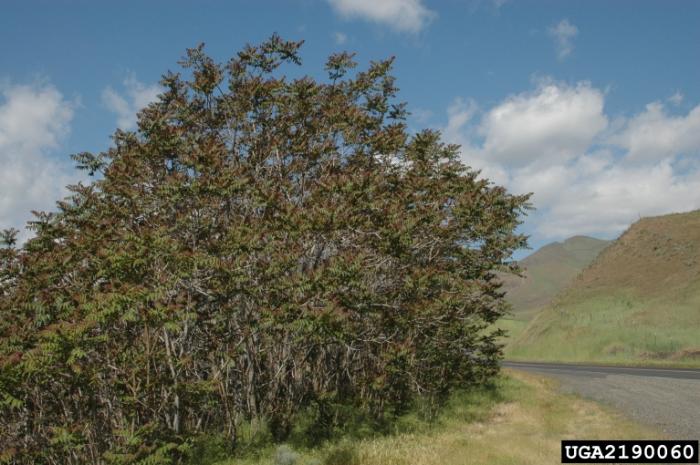
  • Tree-of-heaven: infestation.
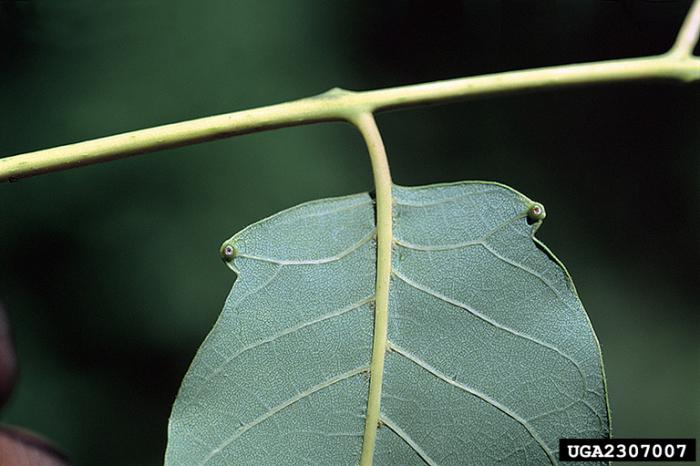
  • Tree-of-heaven: leaves have gland on underside of the leaf.
  • Look-alike: staghorn sumac (Rhus hirta) has toothed leaf edges, and lacks the tell-tale glands that Tree-of-heaven have on the underside of the leaf.

Honeysuckle, Vine

Lonicera japonica

  • Read more about Honeysuckle, Vine
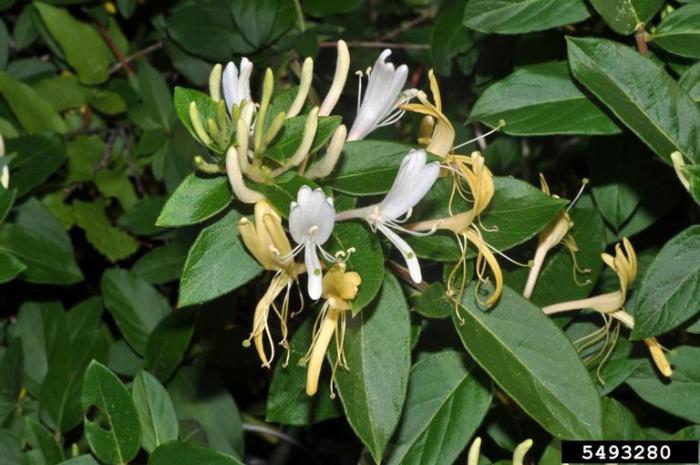
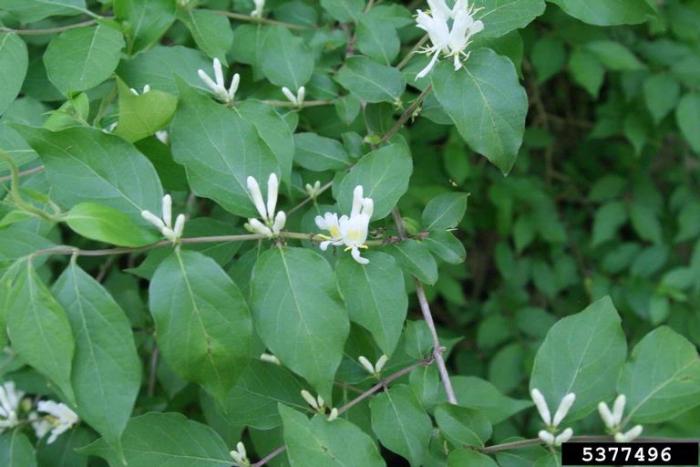
  • Vine honeysuckle: whitish-pink flowers develop in the axils of the leaves. The flowers turn cream-yellow as they age.
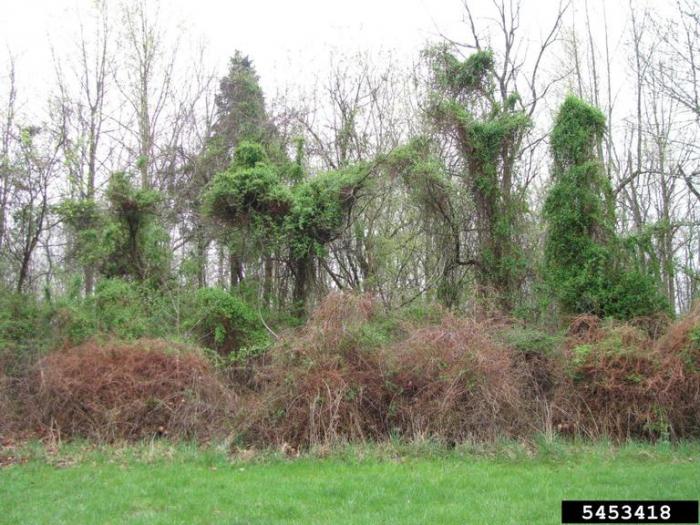
  • Vine honeysuckle: infestation.
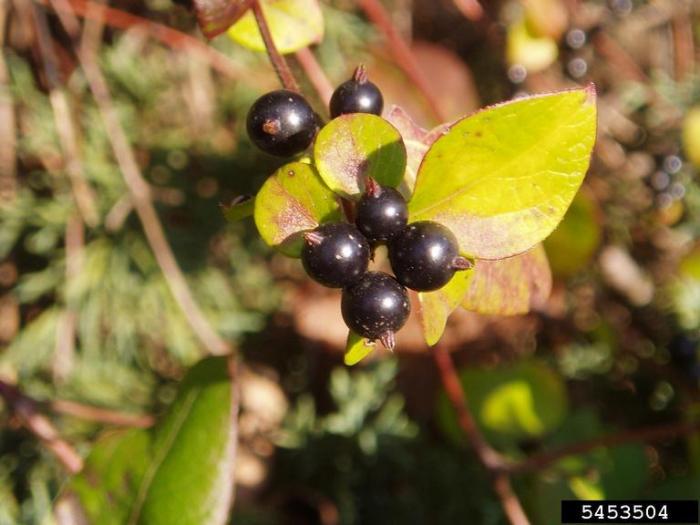
  • Vine honeysuckle: small shiny globular fruits turn from green to black as they ripen.
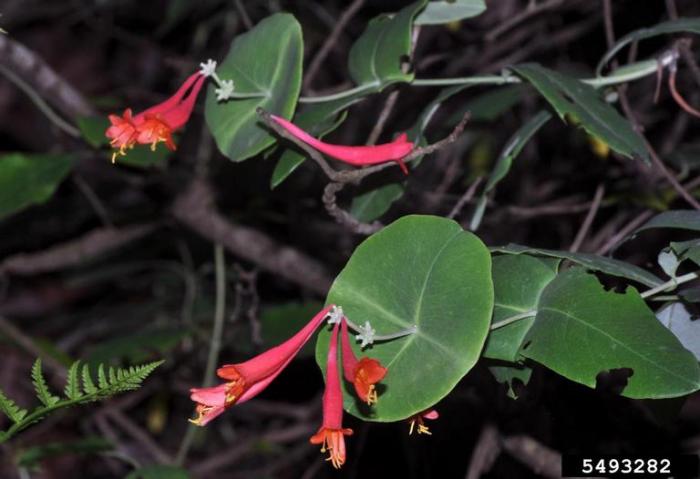
  • Look-alike: trumpet honeysuckle (Lonicera sempervirens).
  • Look-alike: twining honeysuckle (Lonicera dioica).

Swallowwort, Pale

Vincetoxicum rossicum

  • Read more about Swallowwort, Pale
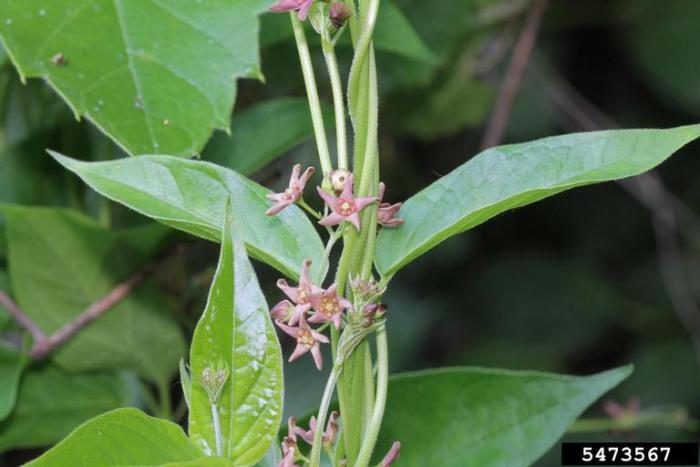
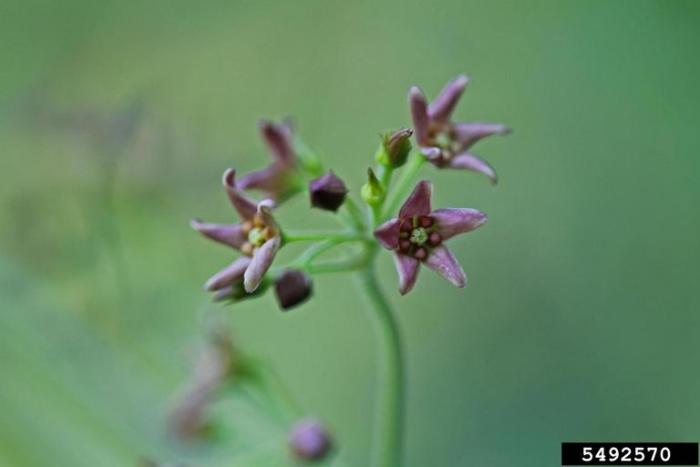
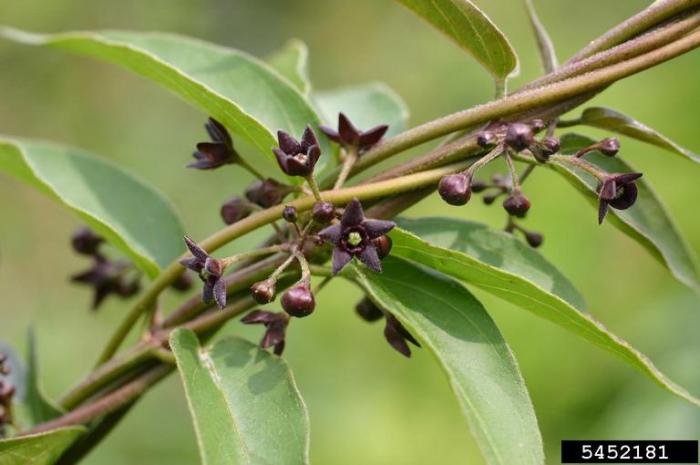
  • Pale swallowwort: flowers are dark pink to deep red, 5-petaled, star-shaped and appear in clusters.
  • Pale swallowwort: flowers are dark pink to deep red, 5-petaled, star-shaped and appear in clusters.
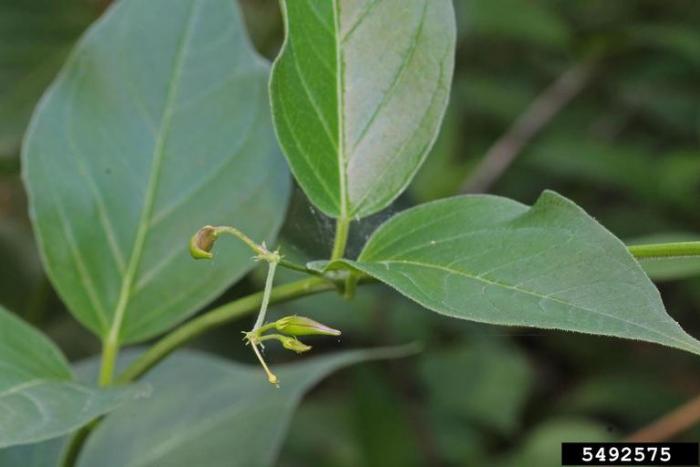
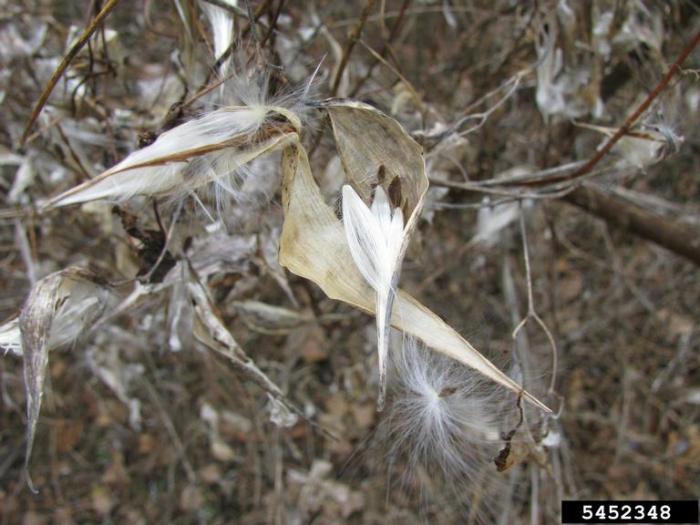
  • Pale swallowwort: fruits are similar to milkweed pods. They are slender, 2-3 in. long and split to reveal small seeds with tufts of white hairs.
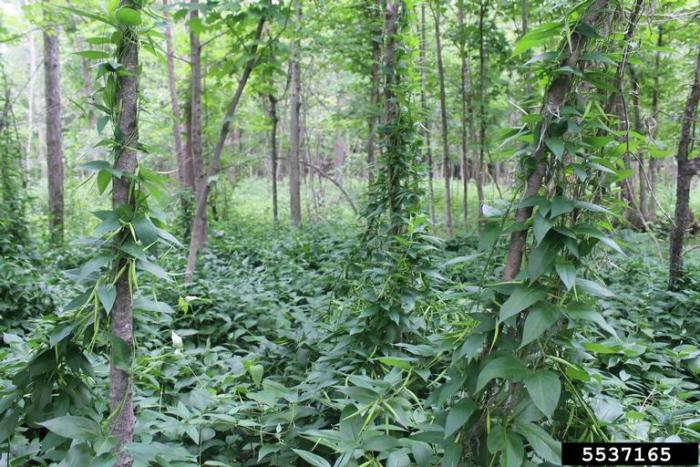
  • Pale swallowwort: infestation.
  • Pale swallowwort: fruits are similar to milkweed pods. They are slender, 2-3 in. long and split to reveal small seeds with tufts of white hairs.
  • Look-alike: black swallowwort (also an invasive species) has oval leaves and dark blue/purple flowers.

Japanese Stiltgrass

Microstegium vimineum

  • Read more about Japanese Stiltgrass
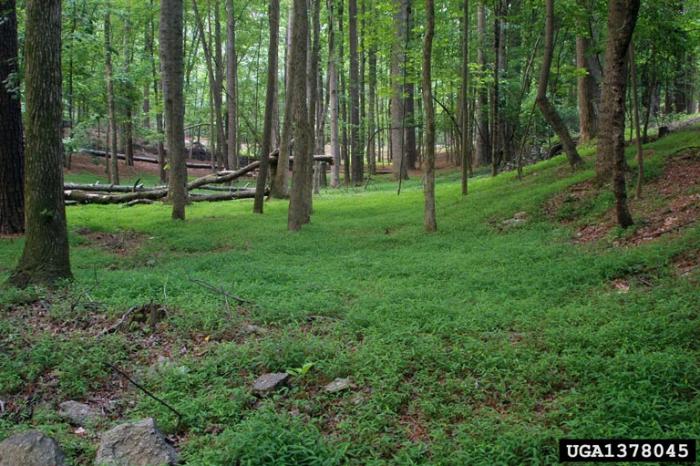
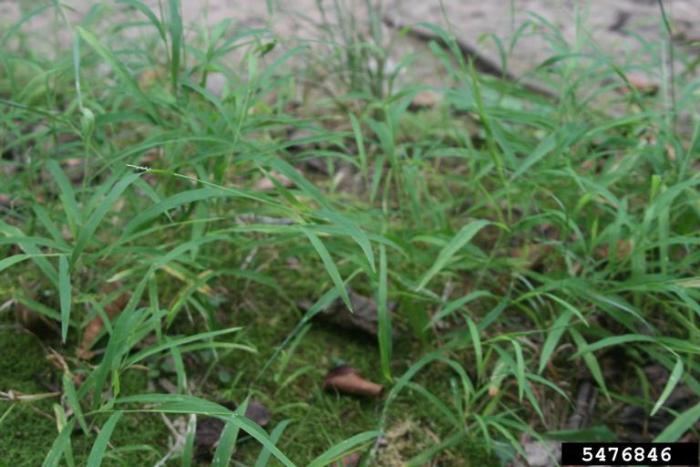
  • Japanese stiltgrass: infestation.
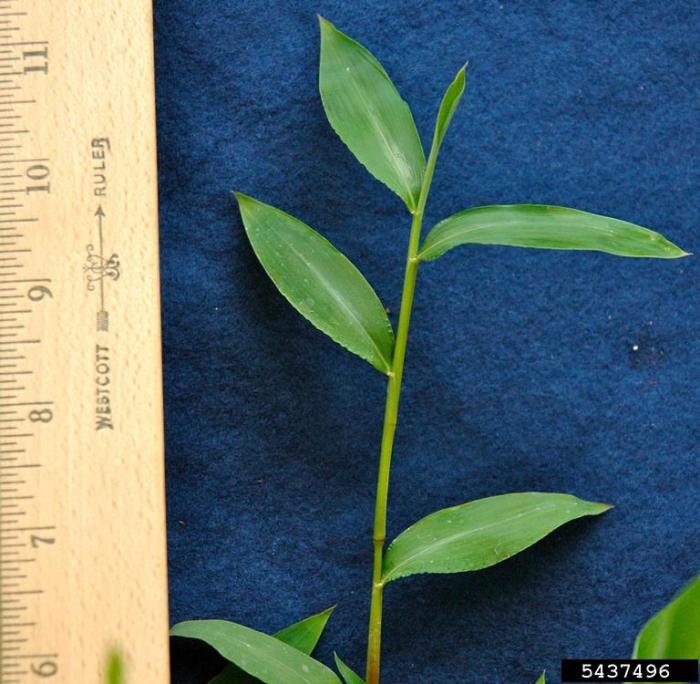
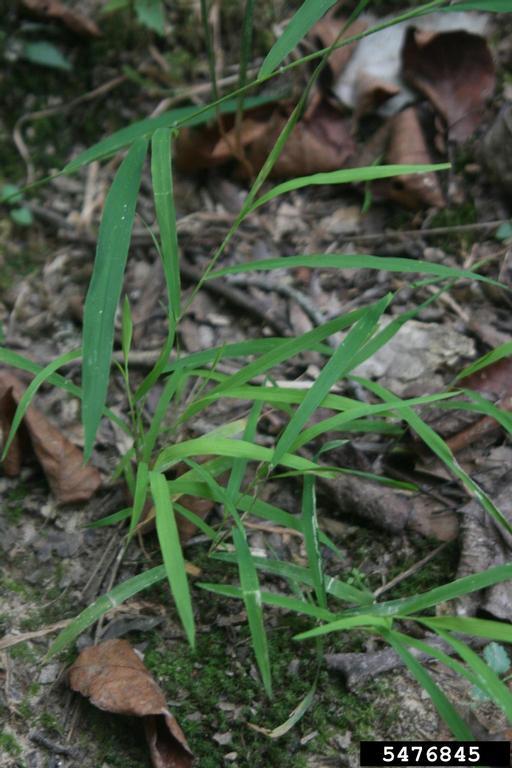
  • Japanese stiltgrass: a small grass species, with alternately arranged leaves.
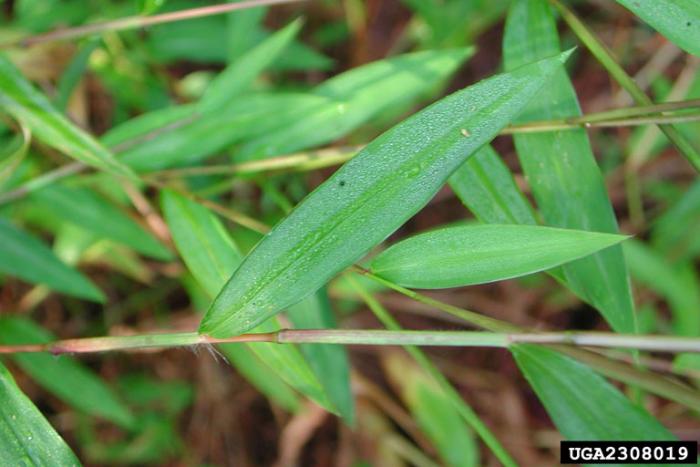
  • Japanese stiltgrass: leaves are pale-green, with a slightly textured surface, and silvery lines along the blade distinguish stiltgrass from native grass look-alikes.
  • Look-alike: white cutgrass (Leersia virginica), native plant, has distinctly longer leaves and shorter spikelets.
  • Look-alike: white cutgrass (Leersia virginica), native plant, has distinctly longer leaves and shorter spikelets.

Invasive Species Matching Game

  • Read more about Invasive Species Matching Game

Invasive Species Matching Game

Invasive Species Word Search

  • Read more about Invasive Species Word Search

Invasive Species Word Search
Yellow Flag Iris

Iris pseudacorus

  • Read more about Yellow Flag Iris
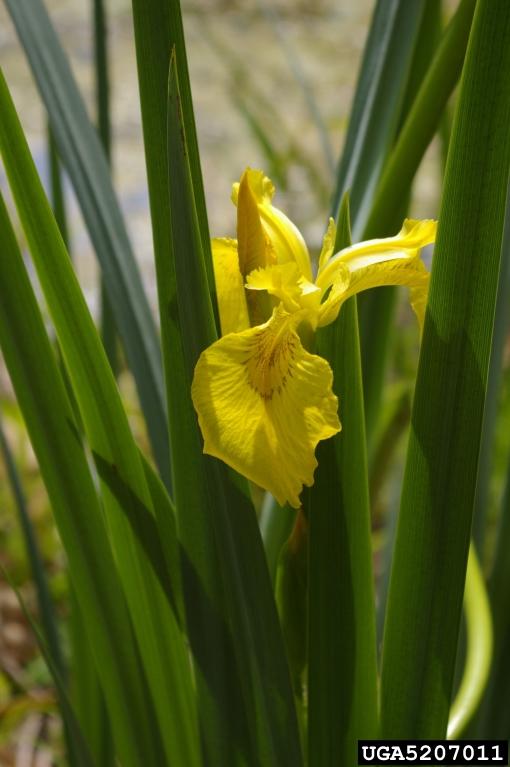
  • Yellow iris: flowers are usually yellow, their color can range from nearly white to cream.
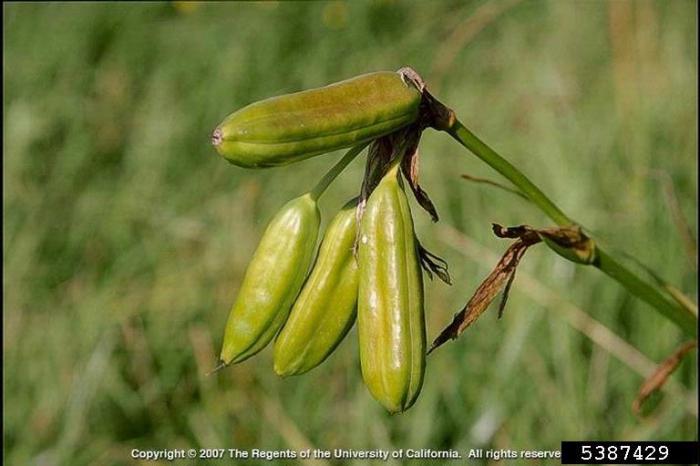
  • Yellow iris: fruits are 1.6-2.7 in. long capsules. The average capsule contains about 120 white seeds that harden and turn brown as they mature.
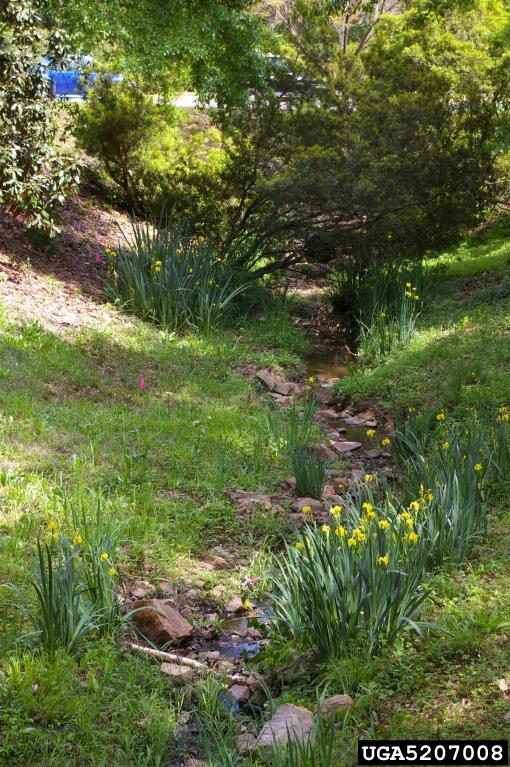
  • Yellow iris: infestation.
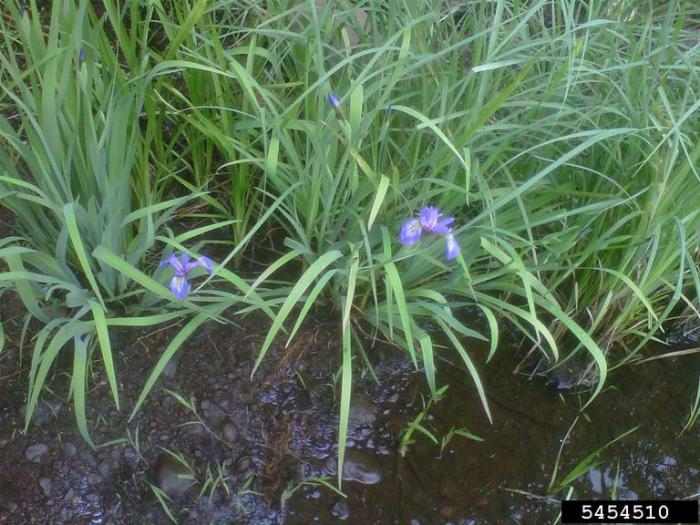
  • Look-alike: harlequin blue flag iris (Iris versicolor), native to North Ameriva,  only looks alike when not in bloom.

Wild Chervil

Anthriscus sylvestris

  • Read more about Wild Chervil
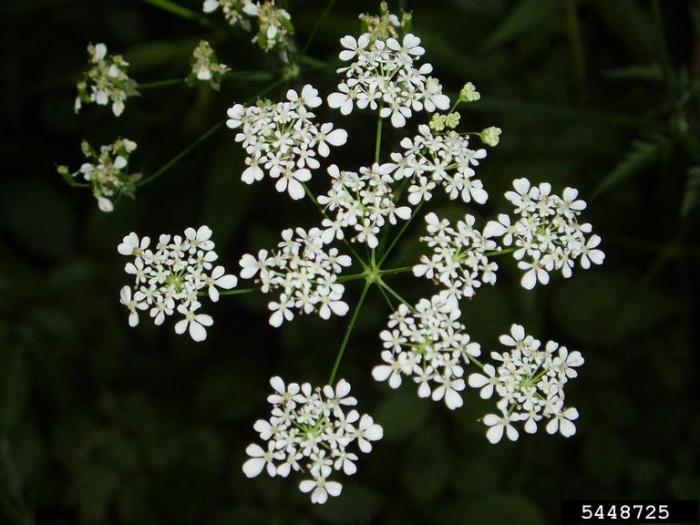
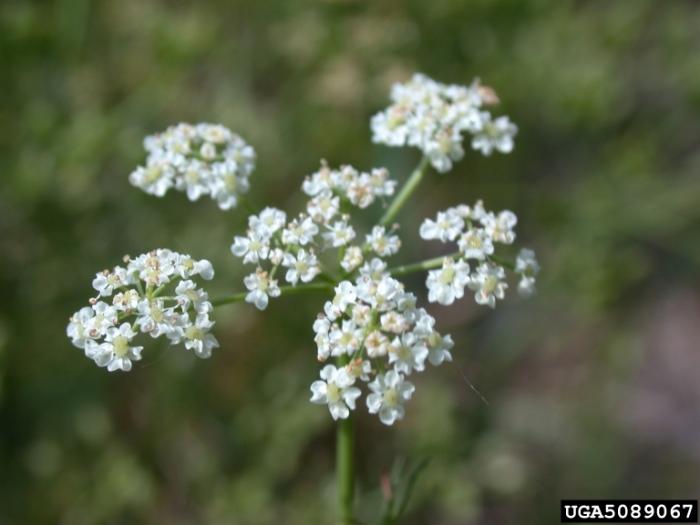
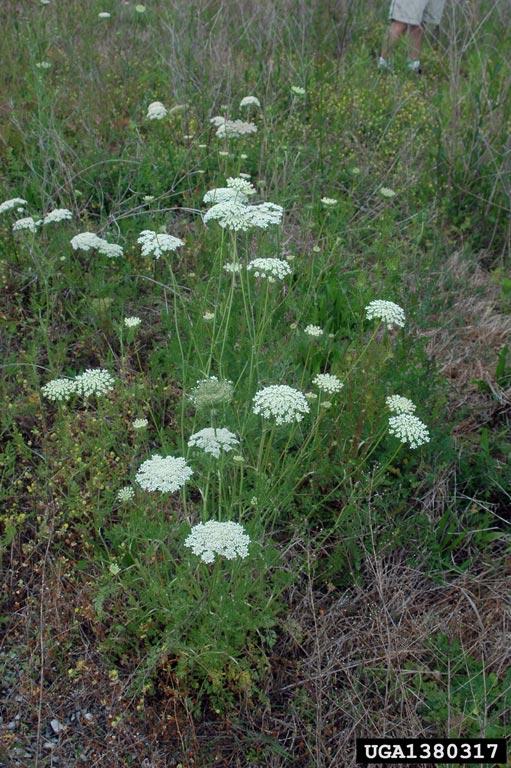
  • Wild chervil: umbels of this plant are large, having 6-15 rays that can reach up to 1.5 in. in length. The flowers are white and have 5 notched petals.
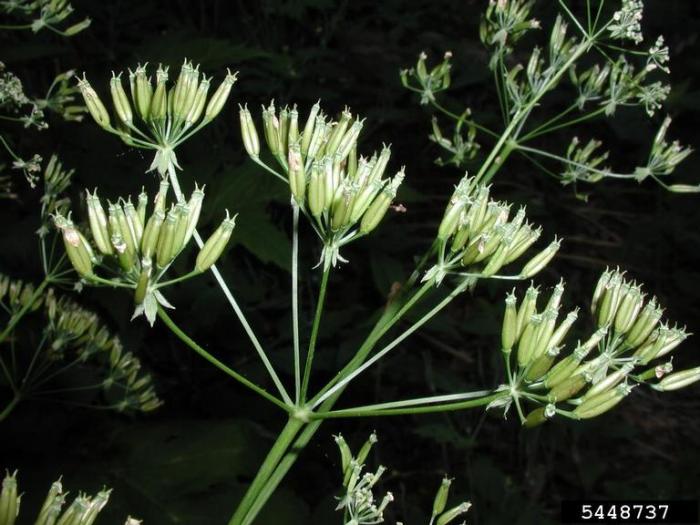
  • Wild Chervil: fruits are smooth, lanceolate in shape and measure 0.25 in. long. The fruits start out green and turn brown as they ripen.
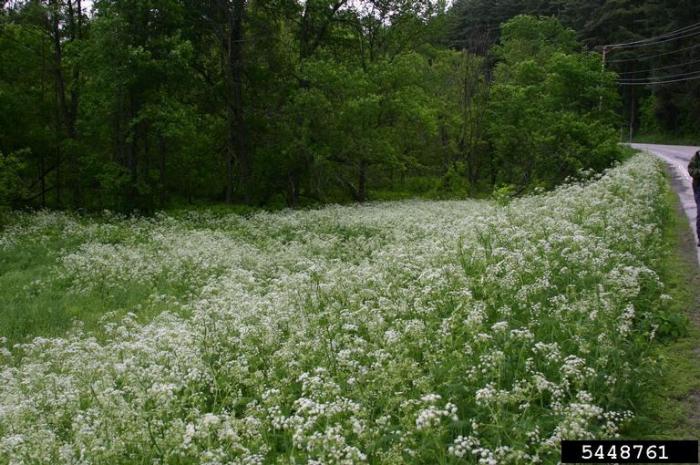
  • Wild chervil: infestation.
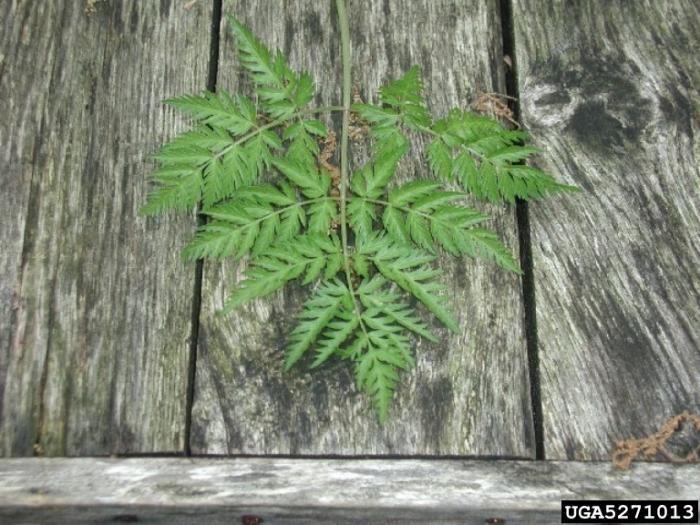
  • Wild chervil: alternately arranged, compound, fern-like leaves.
  • Look-alike: common caraway (Carum carvi).
  • Look-alike: queen Anne's lace (Daucus carota).

Honeysuckles, Shrub

Lonicera sp.

  • Read more about Honeysuckles, Shrub
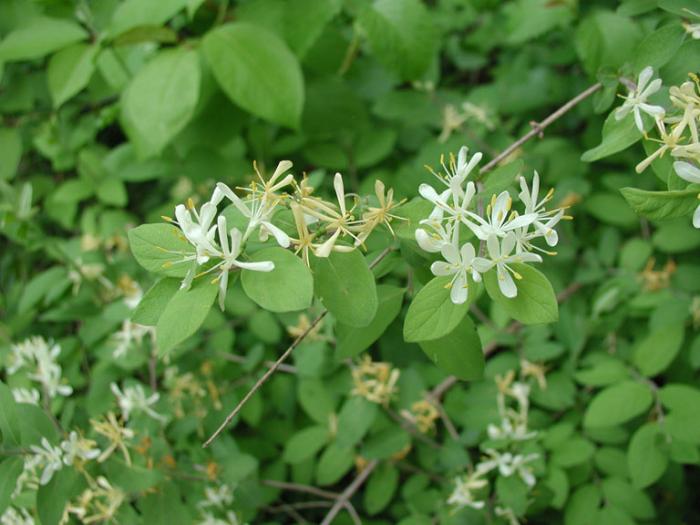
  • Morrow’s honeysuckle: hairy underside of leaf, white flowers, leaves egg shape with slight taper at tip.
  • Amur honeysuckle: hairy leaf that is egg shaped with a long taper at tip, white flowers that yellow with time
  • Shrub Honeysuckle: twinned berries, that are generally red to yellow in color
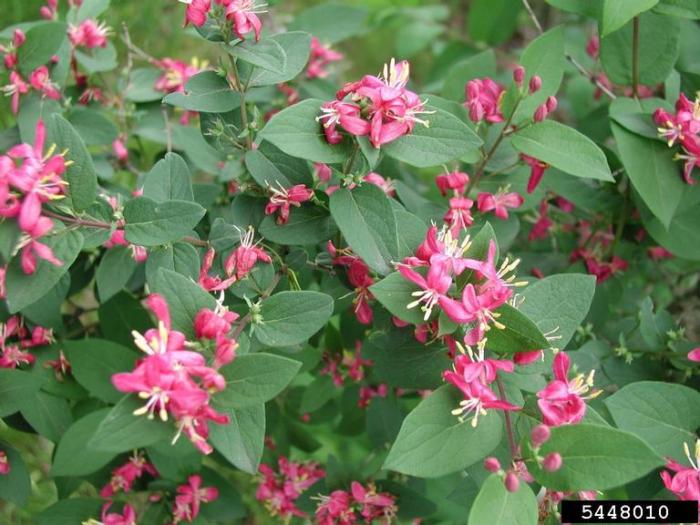
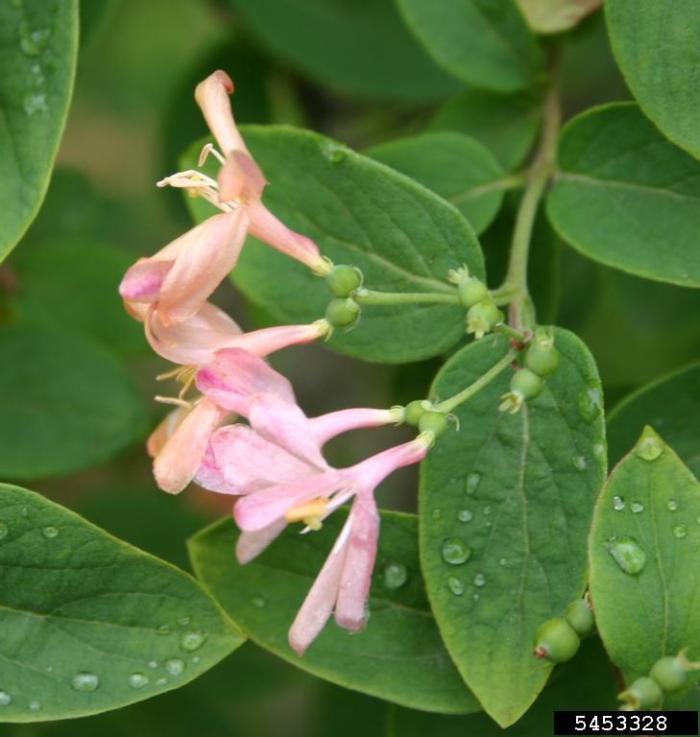
  • Tatarian honeysuckle: flowers are shades of pink-red and asymmetrical, leaves are not hairy, leaves are egg shaped with rounded base
  • Bell Honeysuckle: variable characteristics, but usually has pink flowers.
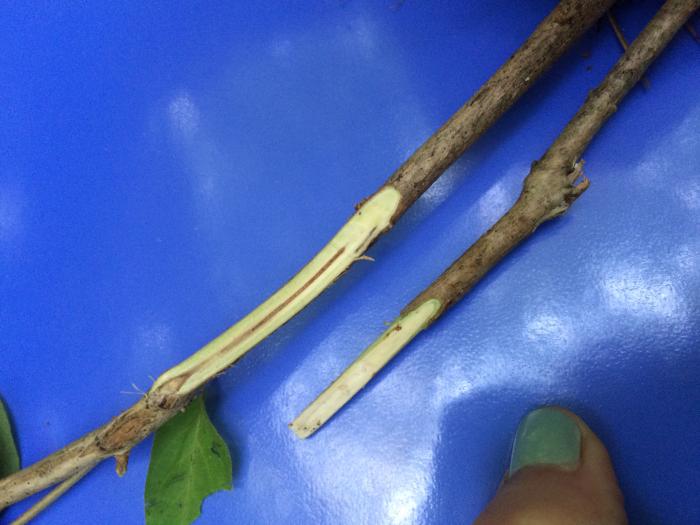
  • Shrub Honeysuckle: hollow, brown pith
  • Look-alike: American honeysuckle has yellow tubular flowers, leaves can be hairy, and has a solid, white pith. This plant is native.

Pagination

  • Previous page ‹‹
  • Page 21
  • Next page ››
Subscribe to Terrestrial Plants

Helpful Information

  • Contact
  • Slow the Spread
  • Manage
  • Events

Main navigation

  • Water
  • Land

Report it!

  • Vermont Department of Forests, Parks and Recreation
  • Vermont Extension

This website was supported by an Innovations and Collaborations Grant from the Vermont Community Foundation.

Site by Tamarack Media Cooperative. Cover image by Brian Leedy.