Land Trust uses Muscle Power in Combat with Invasive Plants
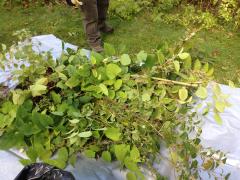
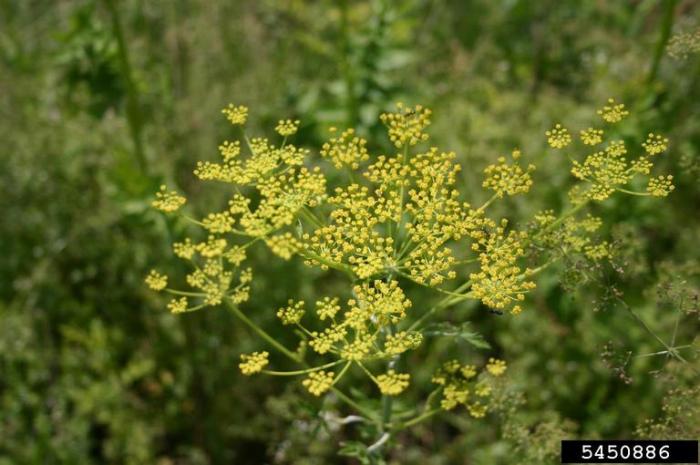
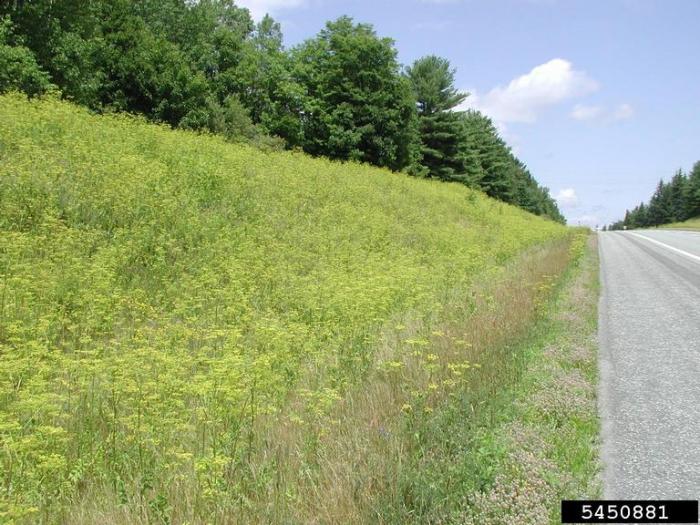
The Stowe Land Trust is working on a multiyear effort to restore native diversity and habitats to 50 acres of conserved land on the DuMont Meadow property at the end of Adams Mill Road.
The Stowe Land Trust is working on a multiyear effort to restore native diversity and habitats to 50 acres of conserved land on the DuMont Meadow property at the end of Adams Mill Road.
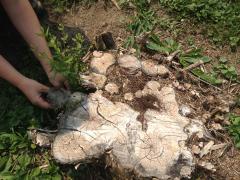
This is part one in a three-part series on how to create an invasive plant management plan.

Experts are expecting that white pine needle damage in Vermont this year may be worse than previous years. Vermont may be the only northern New England state to see such an increase.
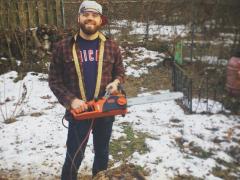
CHICAGO — The emerald ash borer has left a trail of destruction in its wake — but also some beauty, Curtis Witek says.
Witek, of Noble Square, is founder of City Forest Products, which takes wood destroyed by the emerald ash borer and turns it into products like cutting boards and end tables. Witek started the business, which he runs out of a small workshop in Wicker Park, in January and will officially start selling his creations with an April 28 launch party.
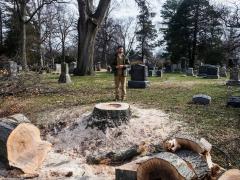
Some are disarmingly named, like the cutesy Chinese mitten crab. Others have names more indicative of their undesirable nature, like rock snot, an algae that slimes up cool forest streams.
They are some of more than 100 invasive species that conservationists must battle in New York State, which teems with a growing number of plants, birds, fish, insects, mosses, molds and fungi that actually belong somewhere else.