May Showers and Spring Flowers: Invasive Plants Will Be Blooming
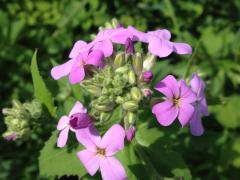
As winter ends, and spring begins, and we look forward to May, we can start to learn invasive plants that are common early bloomers.
As winter ends, and spring begins, and we look forward to May, we can start to learn invasive plants that are common early bloomers.
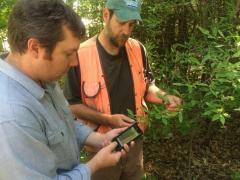
This is part three (final) in a three-part series on how to create an invasive plant management plan. This section will guide you through assessing and mapping options for everyday landowners.
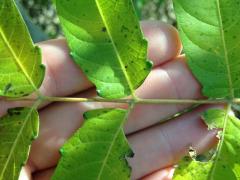
"Ohio is taking a swing at nature’s bullies.
Under new rules that went into effect Sunday, the sale and distribution of 38 destructive, invasive plant species will become illegal.
In its list, the state agriculture department included various types of honeysuckles, Bradford pear trees, autumn olive shrubs and fig buttercup flowers that line freeways, coat forest floors and choke wild spaces across Ohio.........................."
Author Credit: By Marion Renault, The Columbus Dispatch
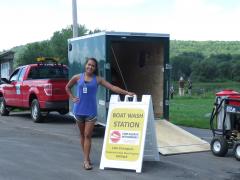
Funding for aquatic nuisance species management projects for the upcoming year is now available through the Vermont Department of Environmental Conservation.
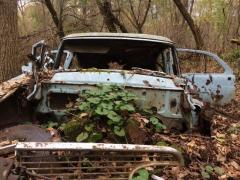
The growing season for 2017 saw many projects across the state tackling the forest, field, and wetland health issue of non-native invasive plants. Below are highlights of some of these amazing local efforts. Huge thanks to everyone who is working toward making our Vermont landscapes healthier and more resilient, and protecting them for generations to come.
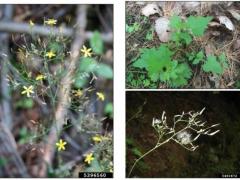
Wall Lettuce (Mycelis muralis) is an early detection invasive species in Vermont. While not well established, it has the potential to spread quickly and outcompete native flora. It is a watch list species in New Hampshire, soon to be added to the watch list in Vermont, meaning the plant has invasive tendencies but is not yet prohibited.

Monitoring for and treating invasive terrestrial plants are some of the more important things you can do to take care of Vermont’s working forests and natural areas. Effective July of 2016, yard and leaf debris were banned from landfills, including material from invasive plant control.
For any questions regarding invasive plant disposal, contact the Vermont Department of Environmental Conservation Waste Management & Prevention Division at: (802) 828-1138, or vtrecycles.com.
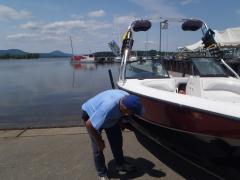
A bill recently signed into law by Governor Scott requires watercraft operators to inspect vessels for aquatic invasive species, and also requires livewells, bilge tanks, and other water-holding compartments to be drained prior to out-of-water transport. The new legislation is aimed at further reducing the spread potential of exotic pests that are deleterious to Vermont's aquatic resources.
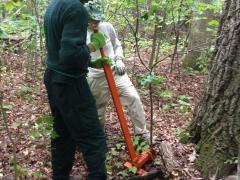
This is part two in a three-part series on how to create an invasive plant management plan. This section will guide you through outlining the description, purpose of management, desired condition, and current condition of each site under consideration