William Eddy Lecture Series: Panel on Invasive Insects
- Workshop
This is Part 2 in a three-part lecture series hosted by the Fairbanks Museum. In this workshop, panelists discuss the impact of invasive insects on local habitats and ecosystems.

Will invasive species ruin baseball?
Well no, not really. However, quite a few people, including Major League Baseball are concerned that they could ruin a part of baseball tradition. The enemy this time is the emerald ash borer. The metallic green beetle should not be anywhere in the United States but it hitched rides over to our country using our modern methods of transportation. More specifically, this beetle came by way of cargo ships across the ocean.
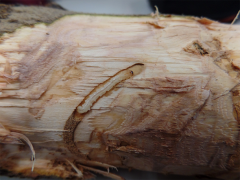
An emerald ash borer (Agrilus planipennis) larvae is revealed successfully developing in the wood of a cultivated olive tree—adding a second species to the list of non-ash trees that the invasive insect can attack.
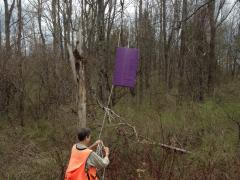
The USDA Animal and Plant Health Inspection Service’s Plant Protection and Quarantine (PPQ) program has a vacancy for its 2017 summer survey program. The program is seeking one qualified individual to assist with the field survey for plant pests that are destructive to Vermont’s forests and natural resources.
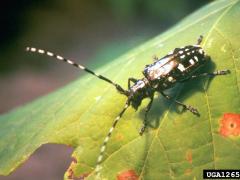
A new study of the flight capacity of the Asian longhorned beetle (Anoplophora glabripennis) found it to have an average flight distance of 1.4 miles in a 24-hour period, but some could fly as far as 8.5 miles in that span.

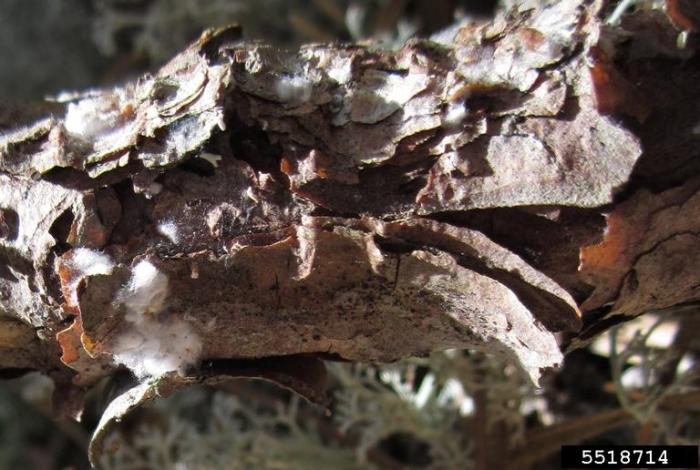
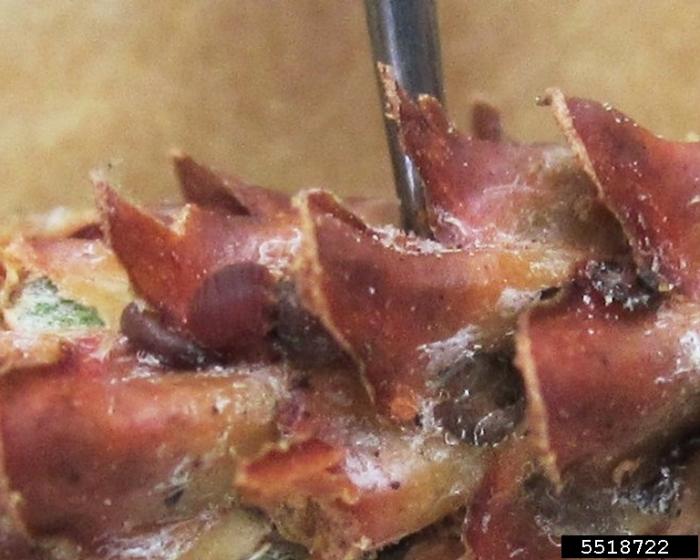
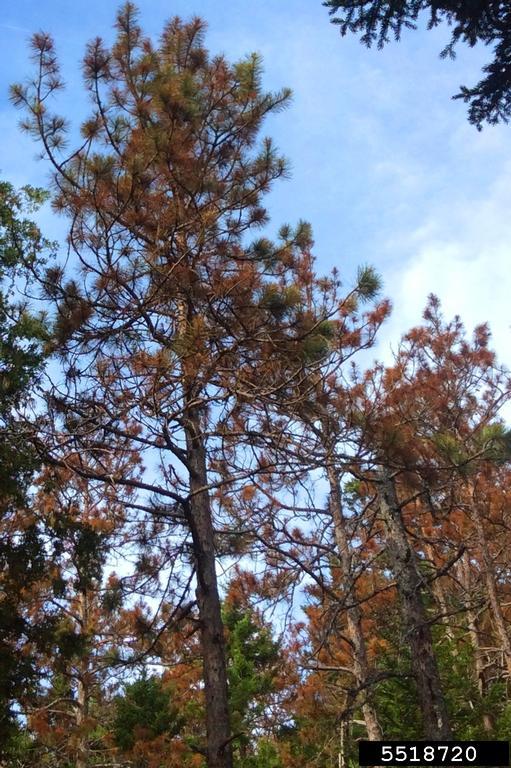
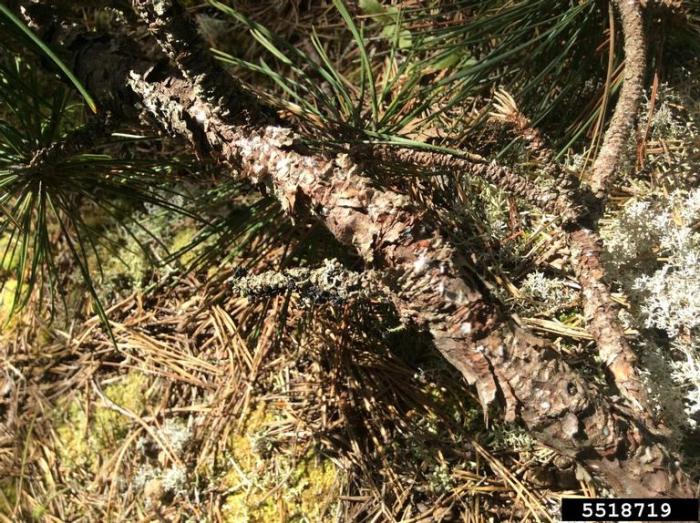
Experts are expecting that white pine needle damage in Vermont this year may be worse than previous years. Vermont may be the only northern New England state to see such an increase.
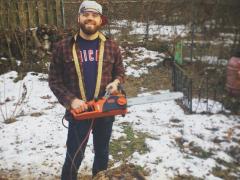
CHICAGO — The emerald ash borer has left a trail of destruction in its wake — but also some beauty, Curtis Witek says.
Witek, of Noble Square, is founder of City Forest Products, which takes wood destroyed by the emerald ash borer and turns it into products like cutting boards and end tables. Witek started the business, which he runs out of a small workshop in Wicker Park, in January and will officially start selling his creations with an April 28 launch party.
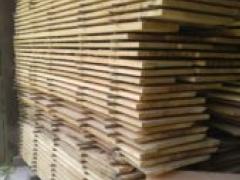
A new project in South Sioux City is a model alternative to burning or landfill disposal of the ash trees the City will likely lose when the ash borer invades their communities. The stack of boards will become a cabin at South Sioux City’s Community Orchard.