CitSci Program- Huntington Public Library
- Workshop
Come learn about how you can become a Citizen Scientist!
Friday, APRIL 14
6:00 Snacks & Desserts
6:30 Program
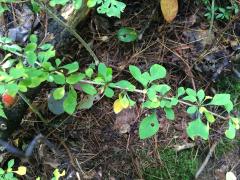
"Climate change may force one of New England’s invasive plant species to retreat north, while another will likely stay put and take over an even greater area, according to a new study by UConn faculty and former doctoral candidates.
Garlic mustard may disappear from the southern part of New England only to crop up in Canada, while Japanese barberry takes hold of the region."
CHICAGO — The emerald ash borer has left a trail of destruction in its wake — but also some beauty, Curtis Witek says.
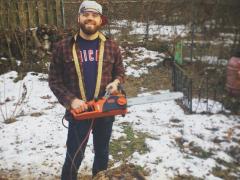
Witek, of Noble Square, is founder of City Forest Products, which takes wood destroyed by the emerald ash borer and turns it into products like cutting boards and end tables. Witek started the business, which he runs out of a small workshop in Wicker Park, in January and will officially start selling his creations with an April 28 launch party.
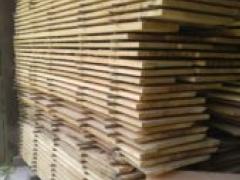
A new project in South Sioux City is a model alternative to burning or landfill disposal of the ash trees the City will likely lose when the ash borer invades their communities. The stack of boards will become a cabin at South Sioux City’s Community Orchard.
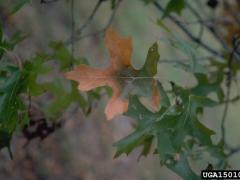
New York State DEC Division of Lands and Forests-Forest Health Oak Wilt Operations Coordinator Jennifer Kotary shares a simple way to prevent the spread of oak wilt.
Windham County Foresters, Sam Schneski and Bill Guenther, outline the threat of invasive plants on sugarbushes in Vermont. This article, published in the fall 2016 issue of Woodlot Tips, explains what makes a species "invasive", which invasive plants threaten Vermont sugarbushes, and offers management suggestions for landowners.
Some are disarmingly named, like the cutesy Chinese mitten crab. Others have names more indicative of their undesirable nature, like rock snot, an algae that slimes up cool forest streams.
They are some of more than 100 invasive species that conservationists must battle in New York State, which teems with a growing number of plants, birds, fish, insects, mosses, molds and fungi that actually belong somewhere else.