Mixed News on Invasive Species Front
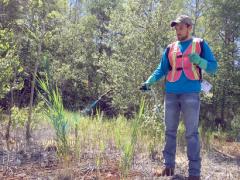
Despite the discouraging discovery of an invasive species near Lake George, the Adirondacks have also seen some recent bright spots in the fight against invasive species.
Despite the discouraging discovery of an invasive species near Lake George, the Adirondacks have also seen some recent bright spots in the fight against invasive species.

In this article, Ethan Tapper, the Chittenden County Forester, breaks down the steps in the management of invasive species so that any landowner with an invasive plant problem can have a clear path forward.
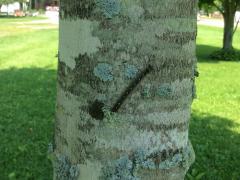
Walk through a hardwood forest this month and it may seem more like October than July. Trees that normally provide cool shade have bare crowns with just a hint of green. And is the bark on that sugar maple moving? This is not a trick of the light: you are, in fact, in the middle of a forest tent caterpillar outbreak.

The Japanese barberry tree, a popular landscaping shrub with attractive flowers, was banned from sale in the state of New York in the spring of 2015. The Japanese barberry tree is one of the 11 plants on the state’s banned invasives list, but it will soon be returning to nurseries because of research done by the University of Connecticut. The return will likely take place in the next year.
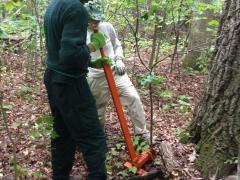
This is part two in a three-part series on how to create an invasive plant management plan. This section will guide you through outlining the description, purpose of management, desired condition, and current condition of each site under consideration

Residents and people traveling through Bethel, VT have been witness to a spectacular display of insect webbing. Entire trees, chain link fences and large patches of ground cover plants are covered with silken webbing – as if someone went overboard with decorations for Halloween. The scene has prompted calls to the Department of Forests, Parks and Recreation.