NEW invasive plant confirmed in Burlington
Pale swallowwort was confirmed in the state for the first time.
Pale swallowwort was confirmed in the state for the first time.
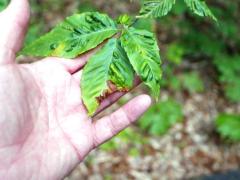
Beech leaf disease (BLD) community awareness meeting held in Brattleboro on October 10, 2025. State of Vermont plant and wildlife experts and local forestry specialists presented currently available information and best practices for mitigating the impacts of this forest disease, and answered questions from community members. Video recording made possible by Brattleboro Community TV.

Administrative Order Clarifies the Movement of Ash Logs and Firewood to Minimize the Spread of EAB
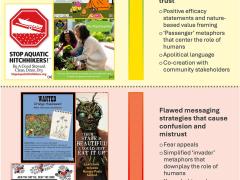
You may have heard folks around Vermont using the term "introduced" species interchangeably with the conventional terminology of "invasive" species. This may be due to a conversation happening at many levels about the language and framing of ideas used in the field of invasion ecology. Because language has the power to shape public attitudes and behaviors, the Plant Health Team at Vermont's Agency of Agriculture is adopting more accurate, neutral, and respectful language to better reflect the complexities of species introductions and avoid reinforcing harmful stereotypes.
In mid-August, a concerned community member brought to the attention of scientists, the presence of an invasive insect. The insect, spotted lanternfly, had never been reported before in Vermont, and was first detected in the United States in 2014 in Pennsylvania, but has spread across the eastern US to 8 states.