• Intro to Invasives
    • What are invasive species?
    • What are their impacts?
  • Get Involved
    • Manage
    • Outreach
    • Report
      • Reporting Upland Plants
      • Reporting a Tree Disease
      • Reporting an Aquatic Animal
      • Reporting an Aquatic Plant
      • Reporting an Invasive Insect
    • Slow the Spread
      • Clean, Drain, Dry
      • Don't Move Firewood
      • Arrive Clean Campaign
      • Slow the Spread of EAB
      • Vermont Plant Quarantine
    • Volunteer
  • News & Events
    • Events
    • News
    • E-News Sign-Up
  • About Us
    • Contact
  • Twitter
  • Facebook
  • Instagram

Vermont Invasives

Main navigation

  • Water
  • Land

Breadcrumb

  1. Home
  2. Shoreline

Shoreline

Giant Hogweed

Heracleum mantegazzianum

  • Read more about Giant Hogweed
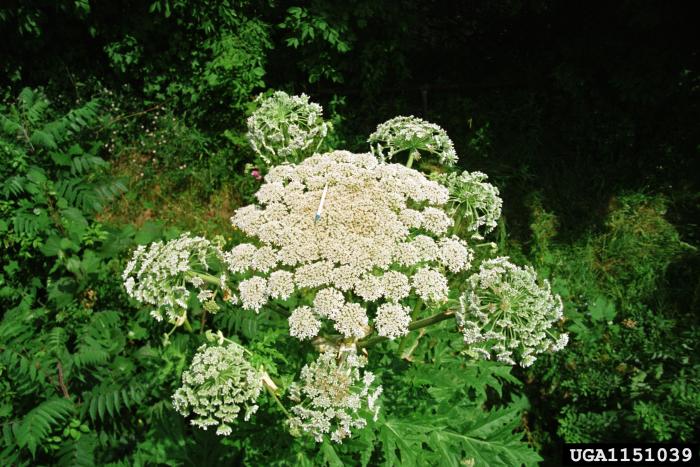
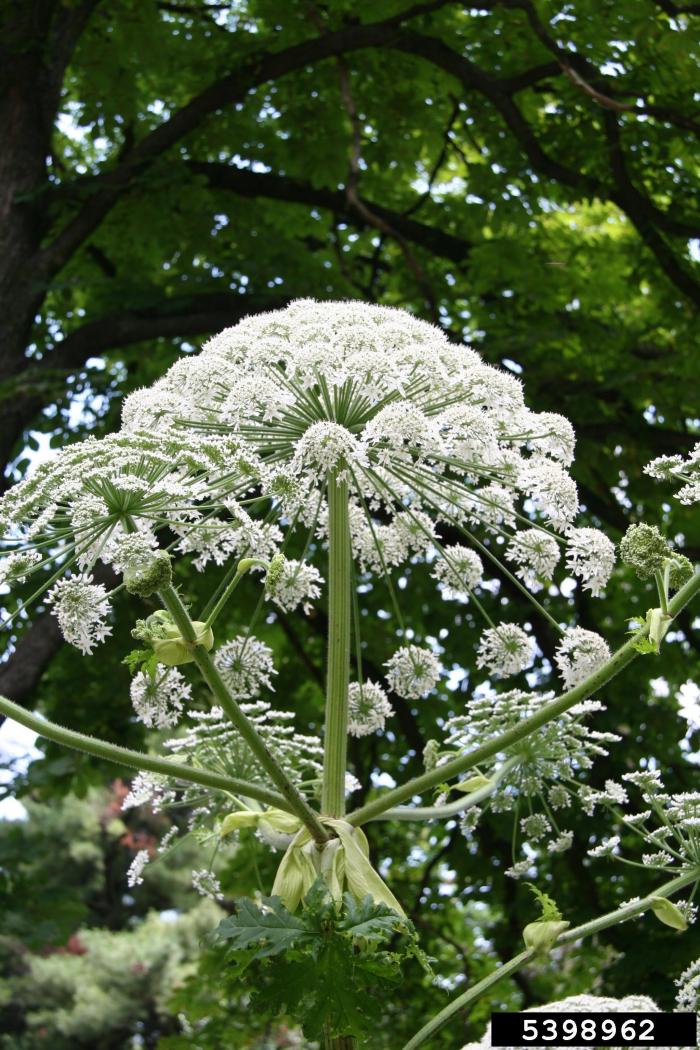
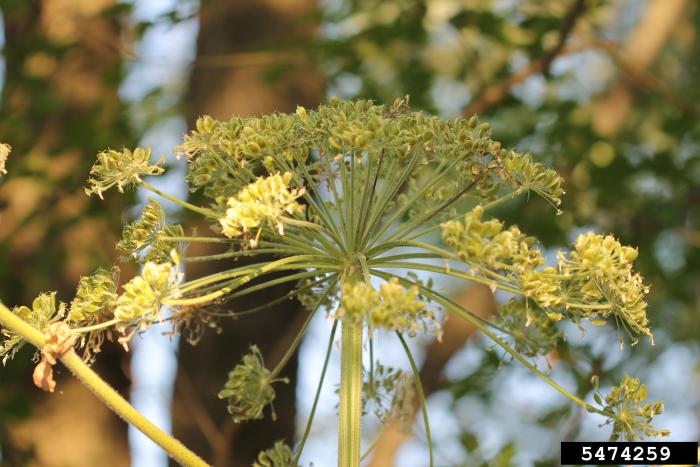
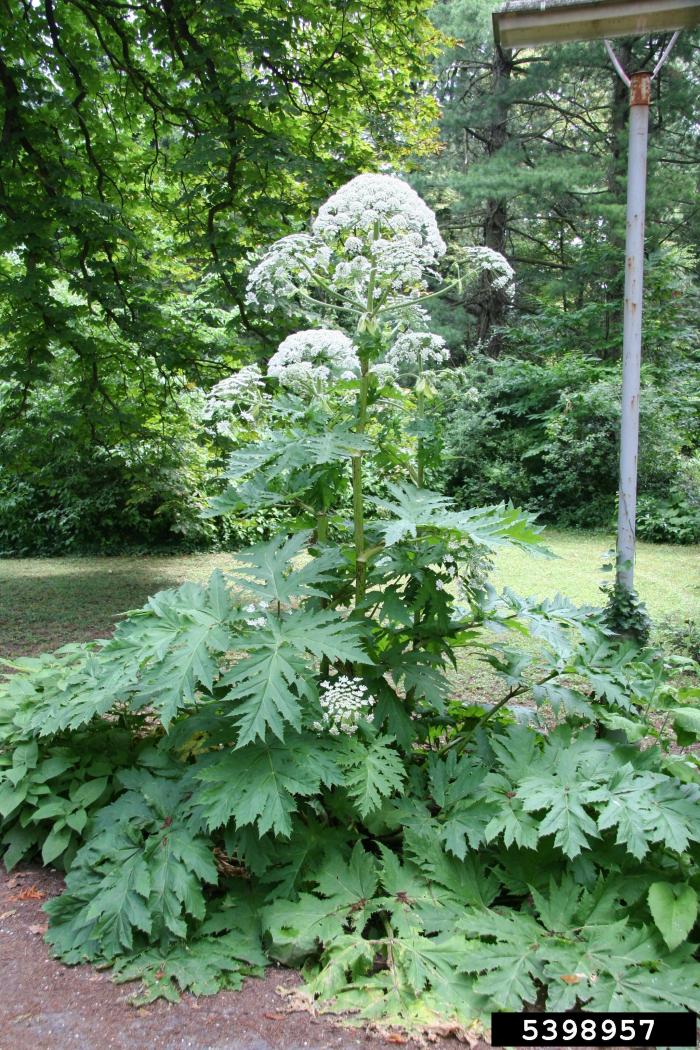
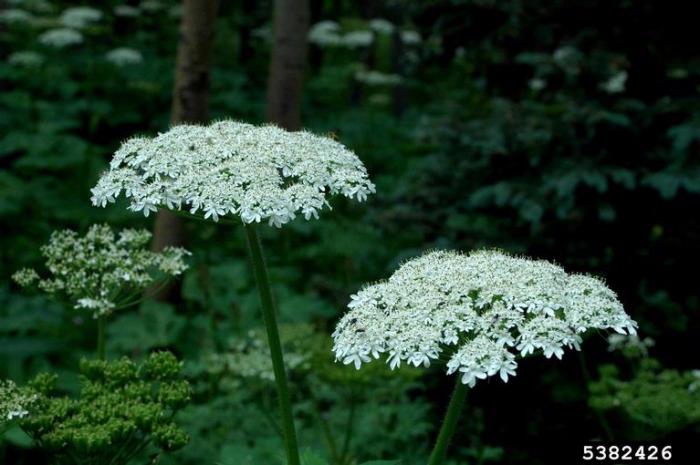
  • Giant hogweed: white flowers are on a large umbrella-shaped head at that can be up to 2.5 ft. in diameter.
  • Giant hogweed: white flowers are on a large umbrella-shaped head at that can be up to 2.5 ft. in diameter.
  • Giant hogweed: white flowers are on a large umbrella-shaped head at that can be up to 2.5 ft. in diameter.
  • Giant hogweed: white flowers are on a large umbrella-shaped head at that can be up to 2.5 ft. in diameter.
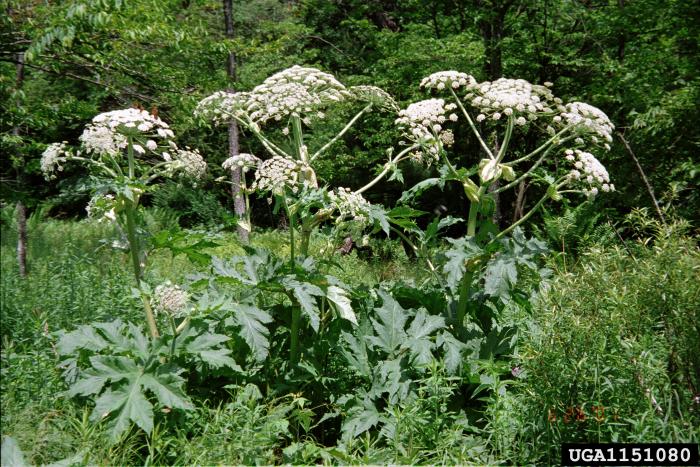
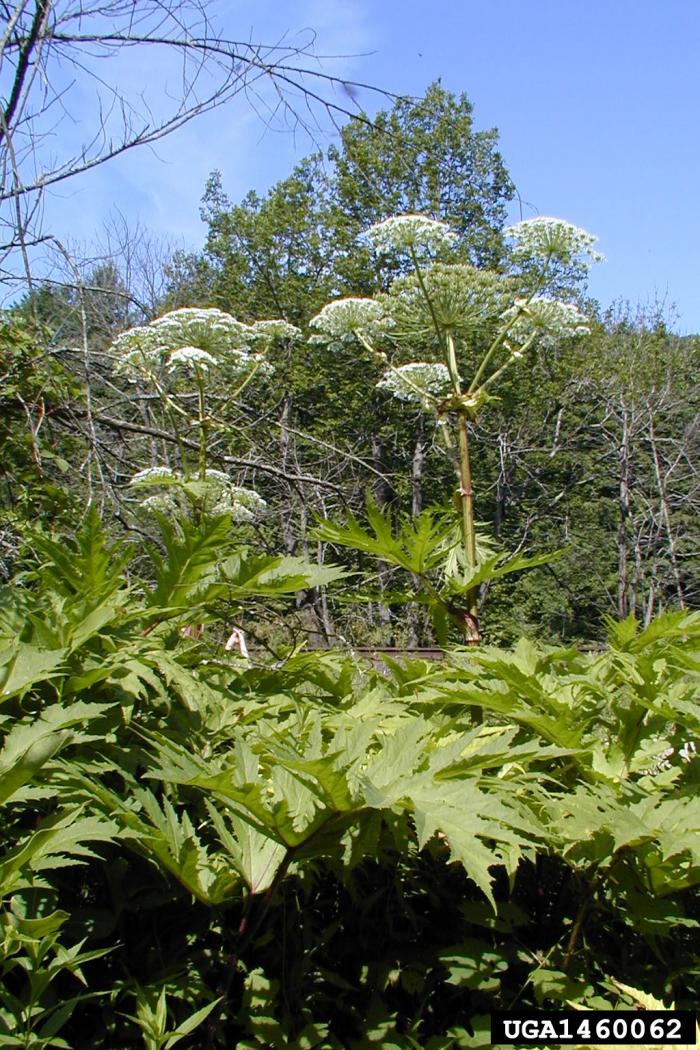
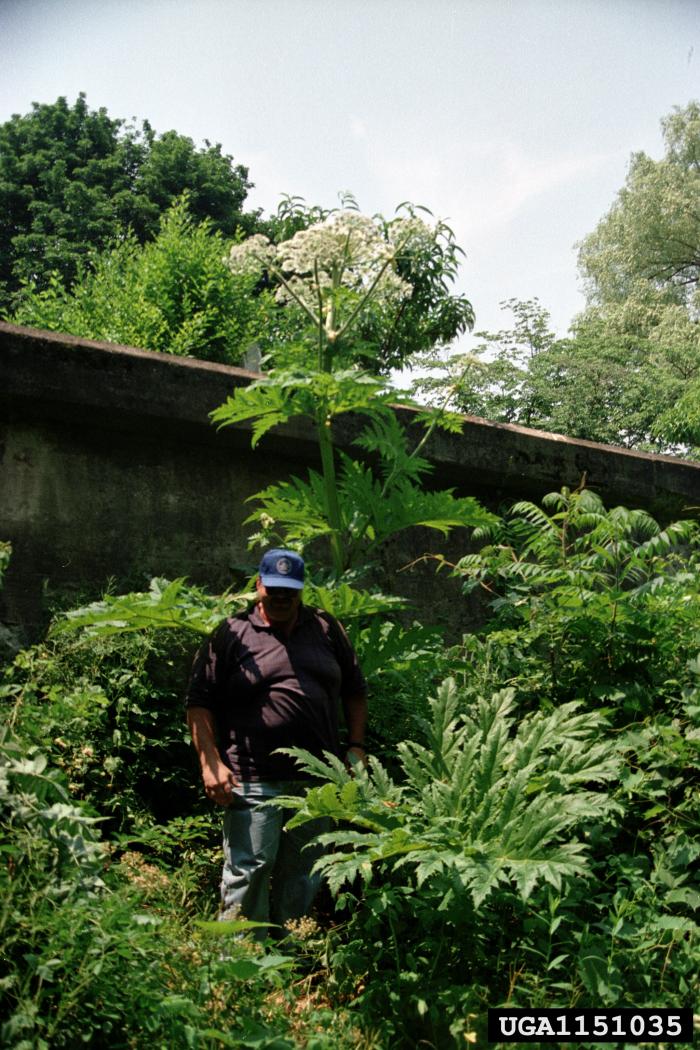
  • Giant hogweed: can reach 15-20 feet tall.
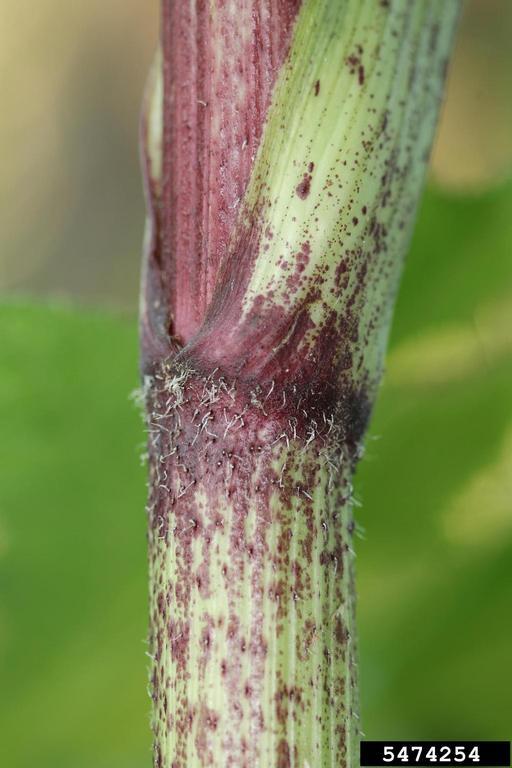
  • Giant hogweed: has thick, hollow stems, with purple patches and course bristles.
  • Giant hogweed: can reach 15-20 feet tall. Hollow stems are 2-4 inches in diameter with dark reddish-purple spots and bristles.
  • Giant hogweed: can reach 15-20 feet tall. Hollow stems are 2-4 inches in diameter with dark reddish-purple spots and bristles.
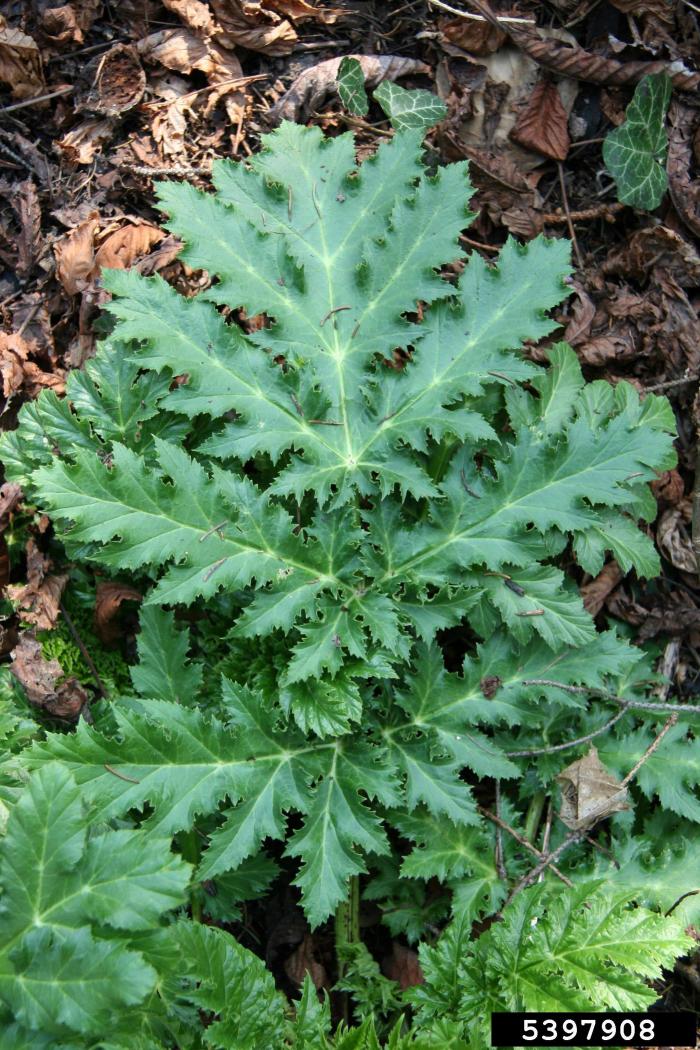
  • Giant hogweed: leaves are deeply lobed, sharply pointed.
  • Look-alike: American cow parsnip (native to North America) is large, but has flat-topped flower clusters

Garlic Mustard

Alliaria petiolata

  • Read more about Garlic Mustard
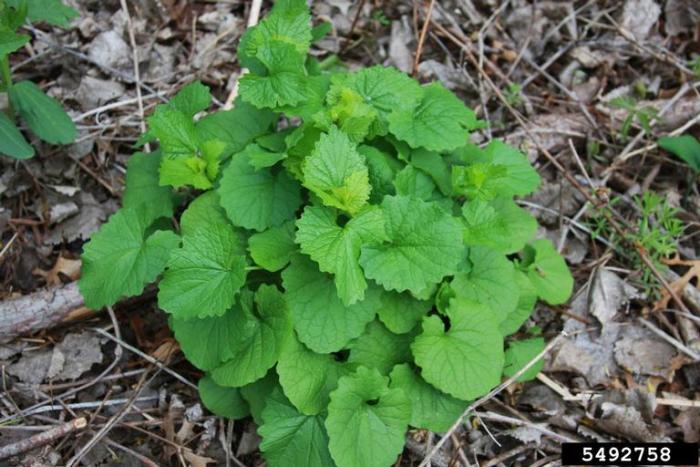
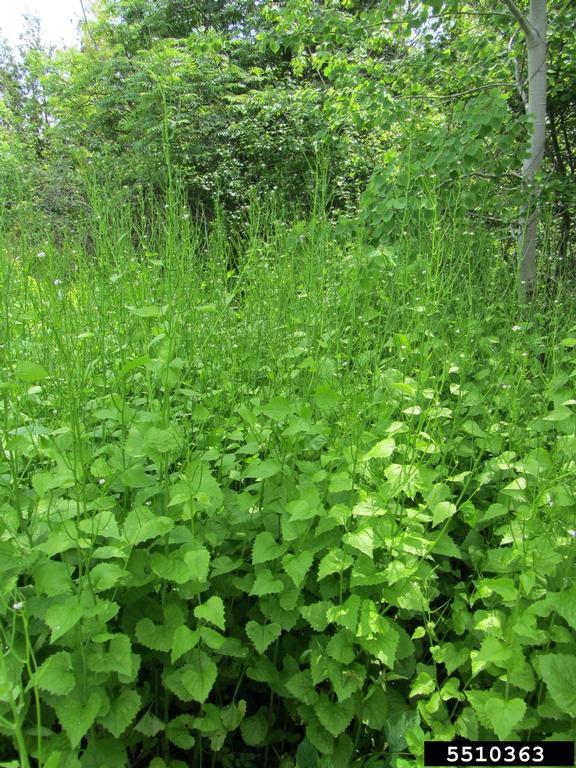
  • Garlic mustard: foliage on first-year rosettes is green, heart-shaped.
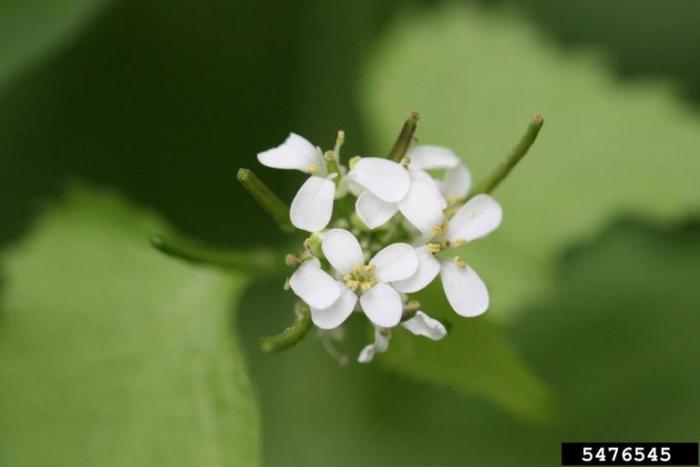
  • Garlic mustard: second-year plants produce a tall flowering stalk; each flower has four small, white petals in the early spring.
  • Garlic mustard: infestation.
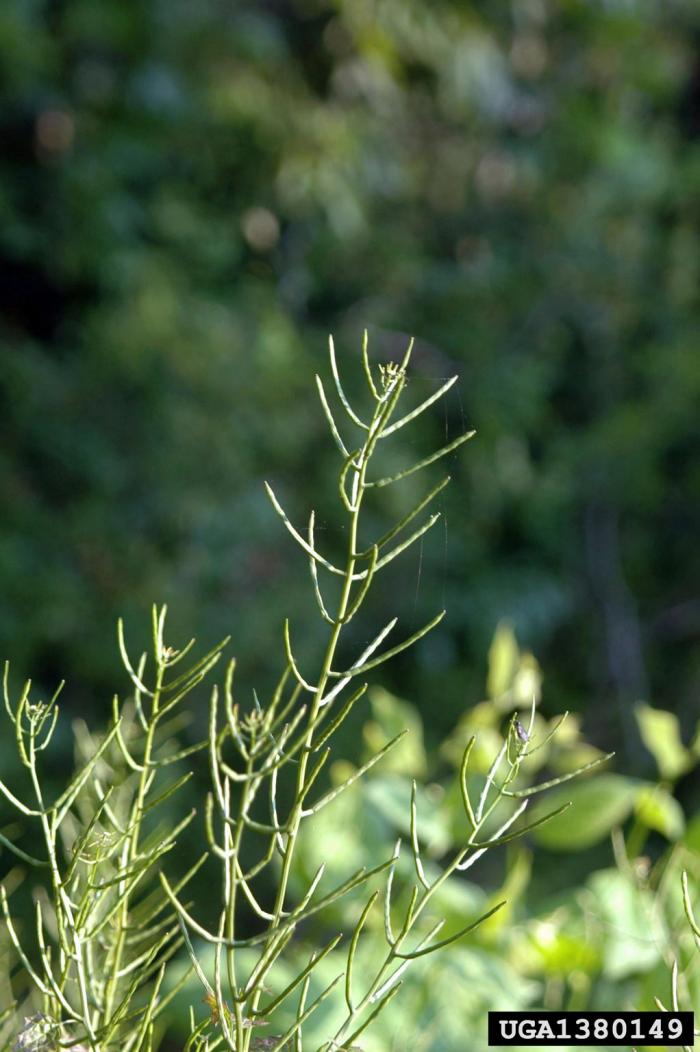
  • Garlic mustard: mature seeds are shiny black and produced in erect, slender green pods which turn pale brown when mature.
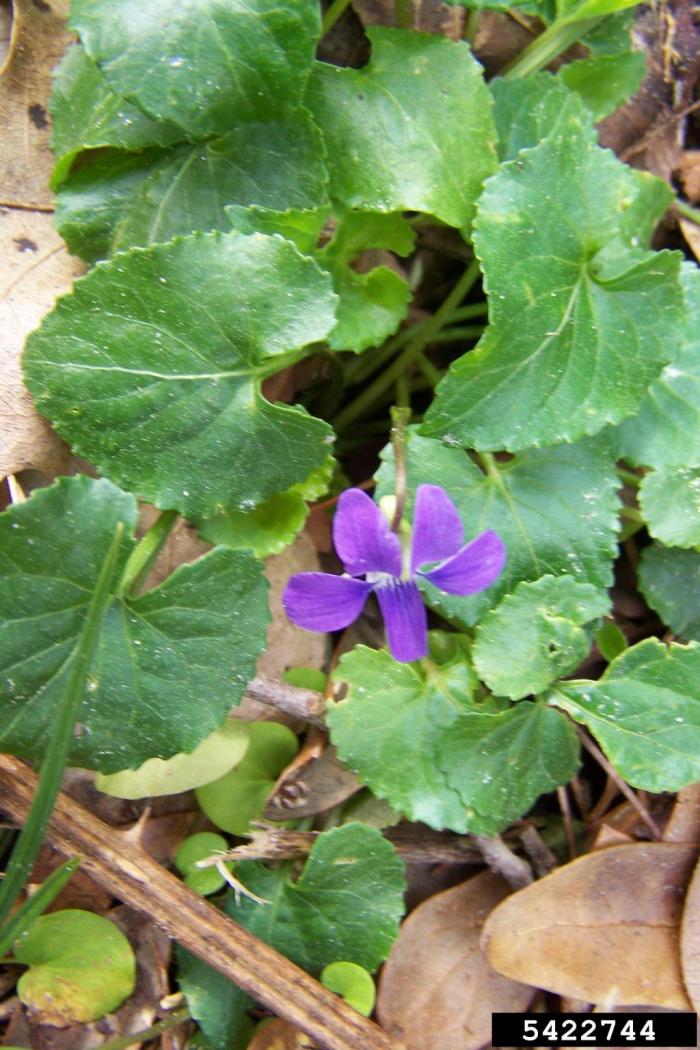
  • Look-alike: violet (Viola sp.)
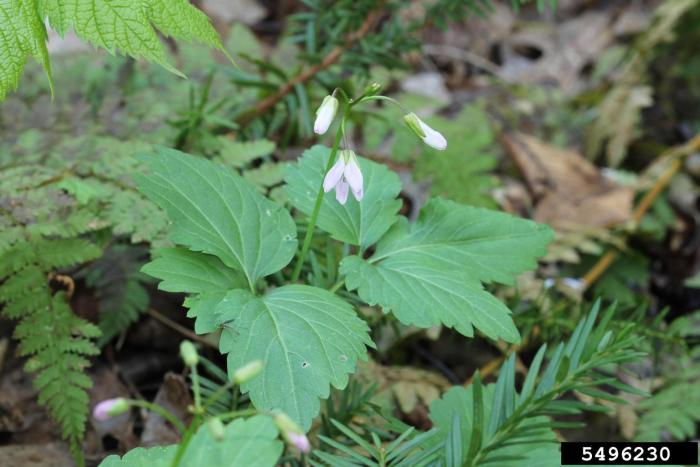
  • Look-alike: toothwort (Cardamine concatenata).

European Alder

Alnus glutinosa

  • Read more about European Alder
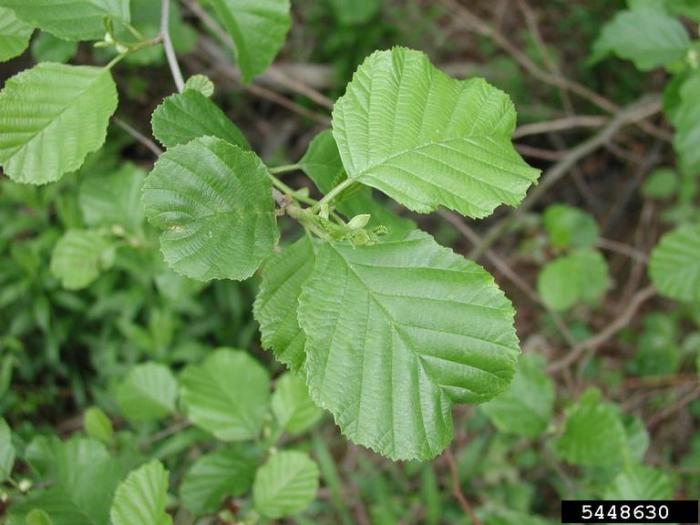
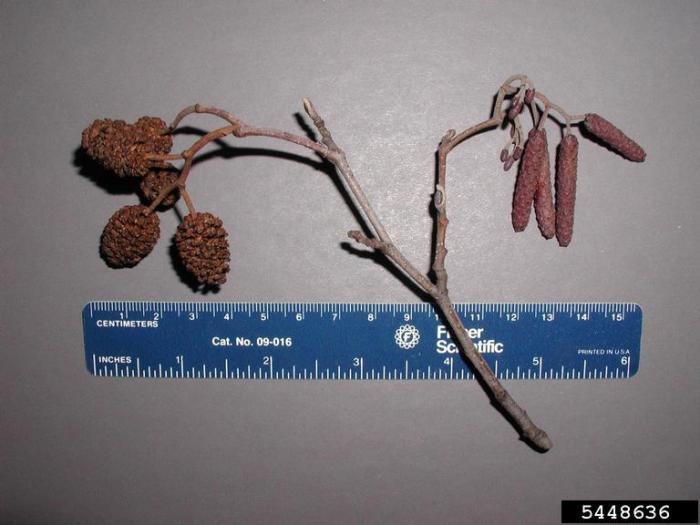
  • European alder: leaves are simple, alternate and doubly-toothed.
  • European alder: individual flowers are small and inconspicuous individually, but together they form a catkin. They flower in the spring and catkins remain on the trees through the fall.
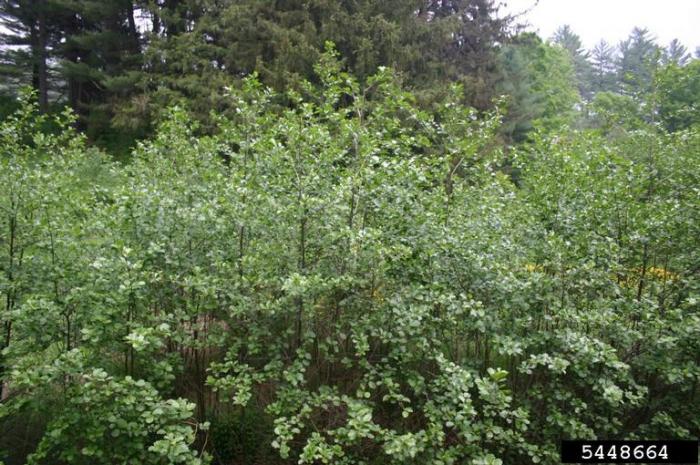
  • European alder: infestation.
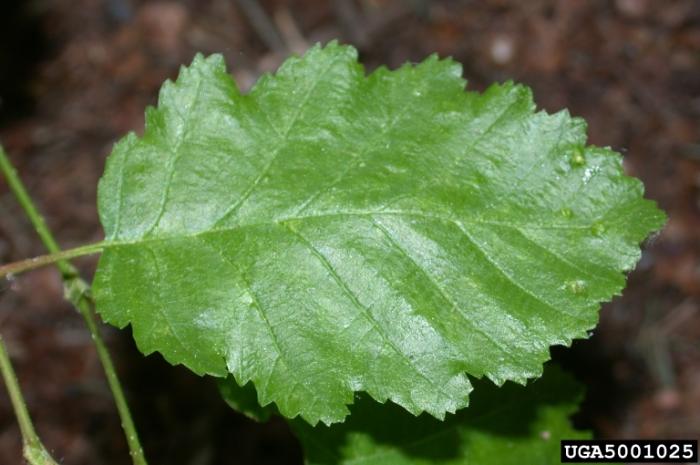
  • Look-alike: grey alder (Alnus incana), native to North America.
  • Look-alike: grey alder (Alnus incana), native to North America.

Dame's Rocket

Hesperis matronalis

  • Read more about Dame's Rocket
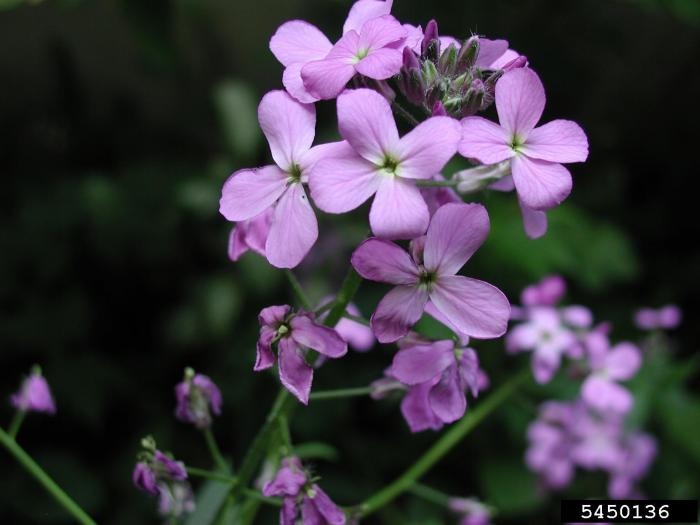
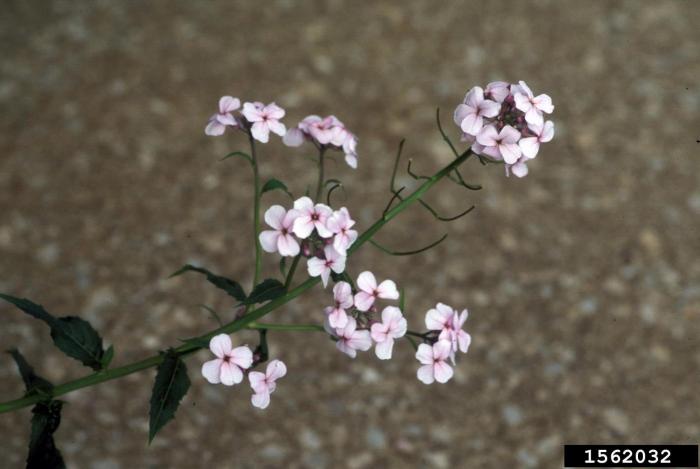
  • Dame's rocket: showy, fragrant flowers vary in color from white to purple or pink.
  • Dame's rocket: showy, fragrant flowers vary in color from white to purple or pink.
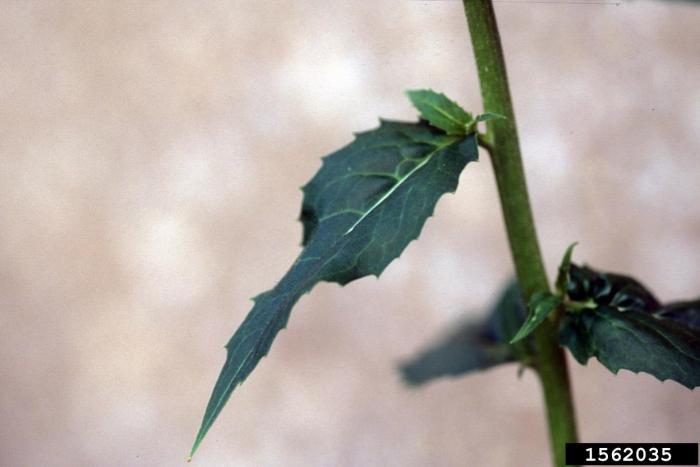
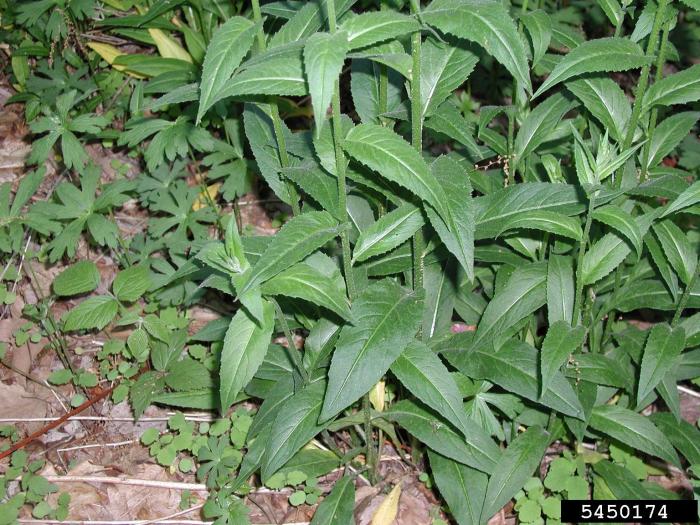
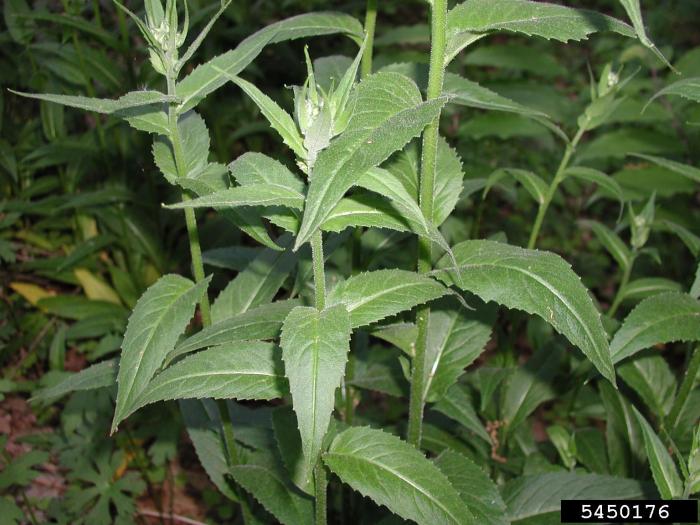
  • Dame's rocket: alternate leaves are broadly lanceolate and sessile or born on short petioles. Leaves are 2-6 in. long and hairy.
  • Dame's rocket: alternate leaves are broadly lanceolate and sessile or born on short petioles. Leaves are 2-6 in. long and hairy.
  • Dame's rocket: alternate leaves are broadly lanceolate and sessile or born on short petioles. Leaves are 2-6 in. long and hairy.
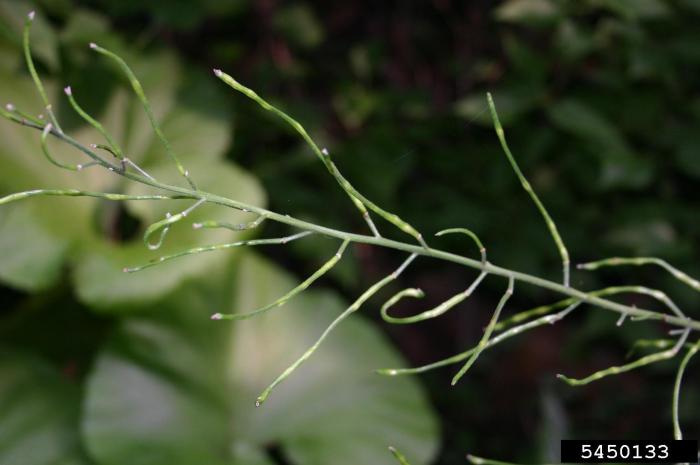
  • Dame's rocket: siliques (long slender fruits) are 2-4 in. in length and contain a large number of seeds.
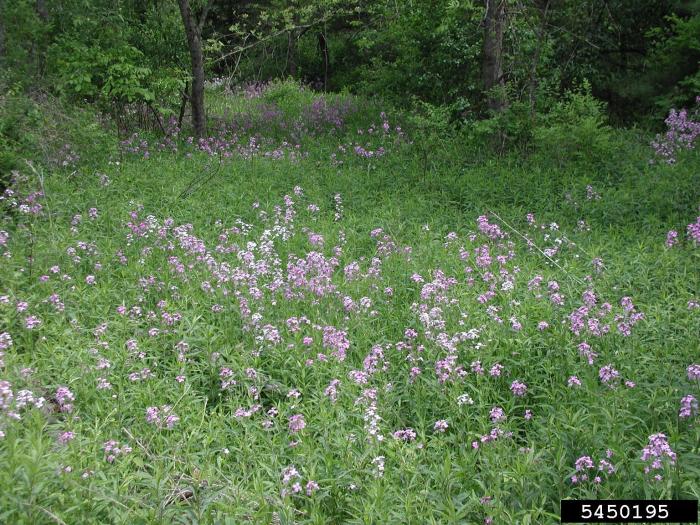
  • Dame's rocket: infestation.
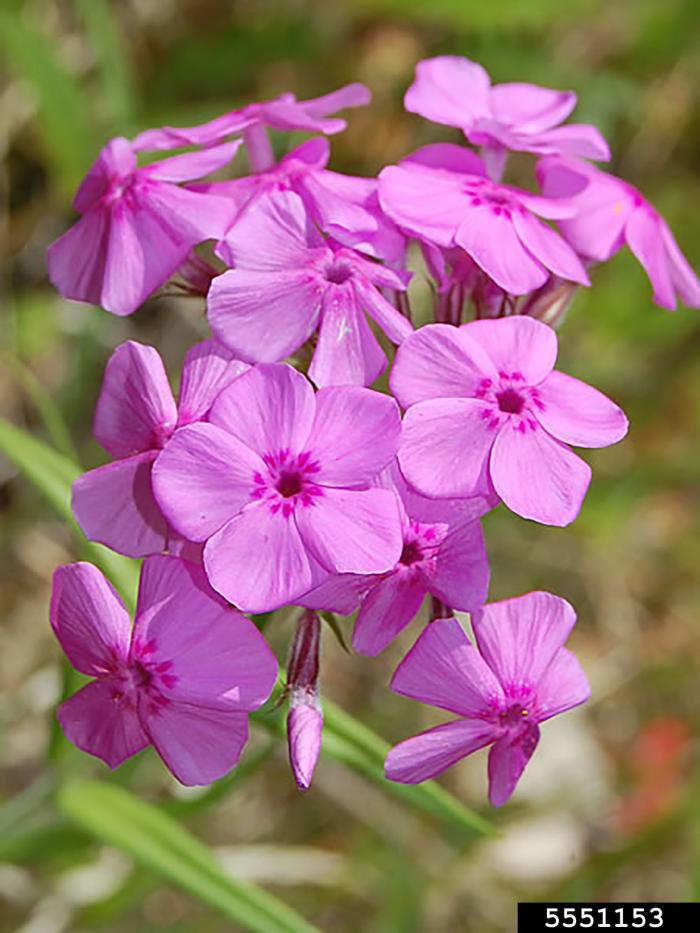
  • Look-alike: downy phlox (Phlox pilosa), five petals versus four.

Common Reed

Phragmites australis

  • Read more about Common Reed
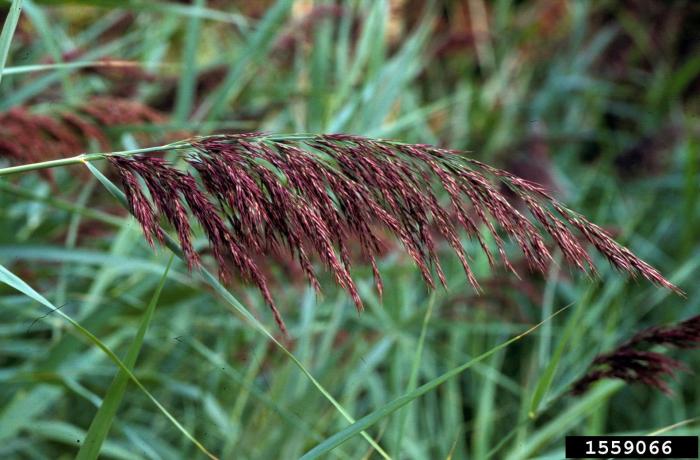
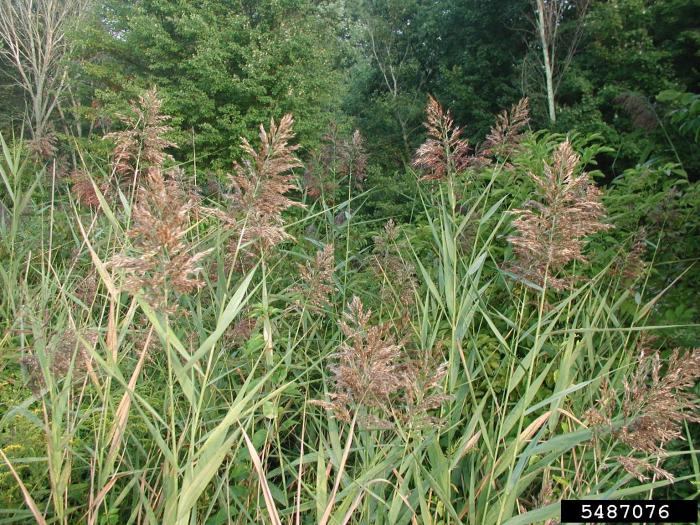
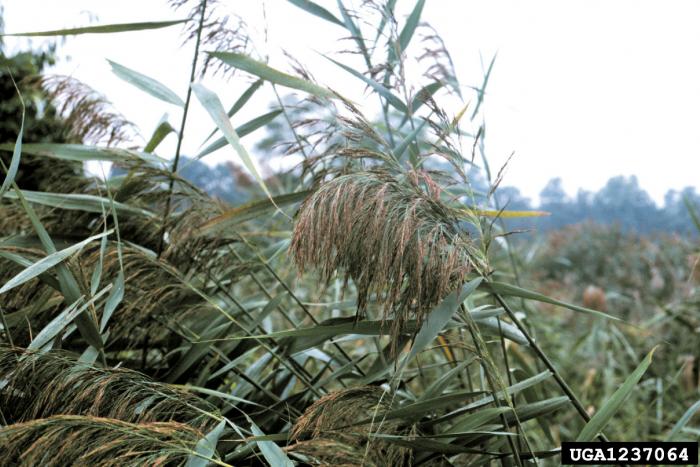
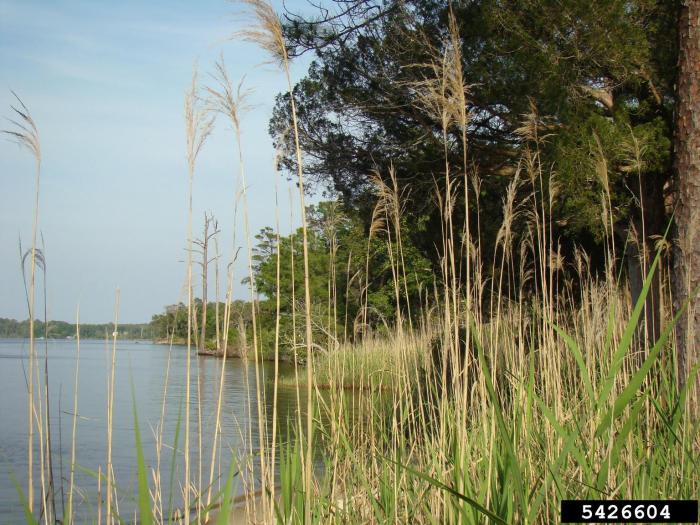
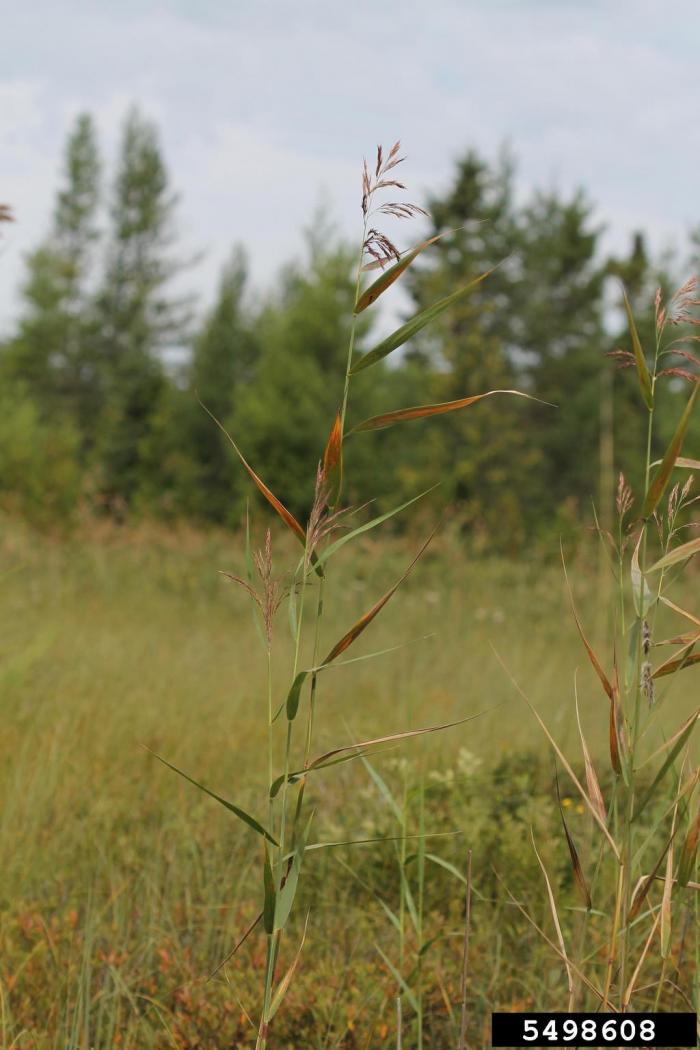
  • Common reed: flower heads are dense, fluffy, gray or purple in color.
  • Common reed: flower heads are dense, fluffy, gray or purple in color.
  • Common reed: flower heads are dense, fluffy, gray or purple in color.
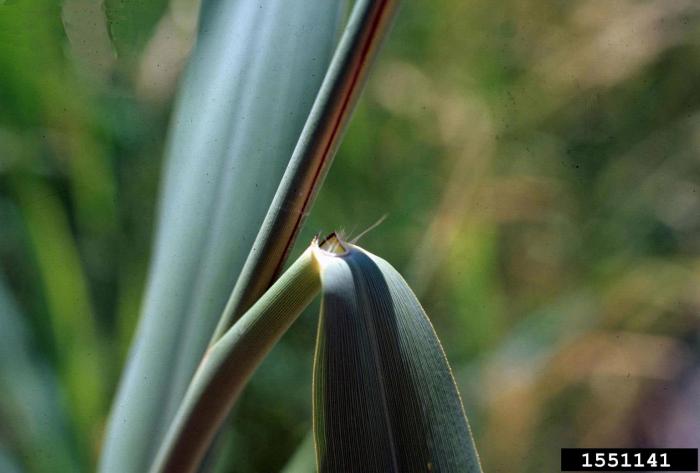
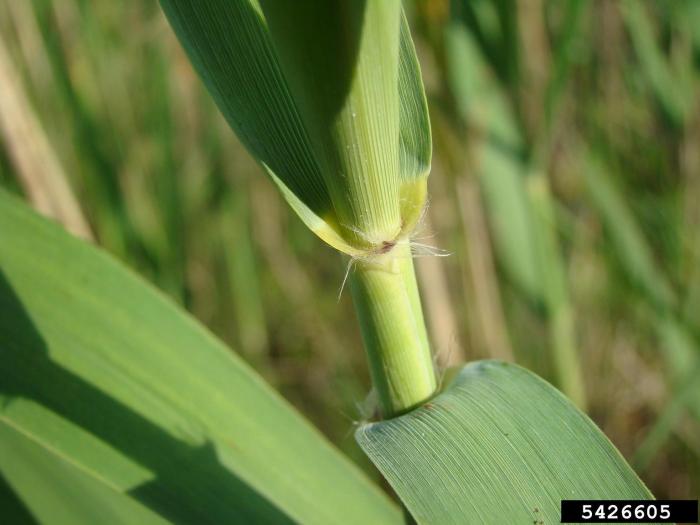
  • Common reed: stem and sheath.
  • Common reed: leaves are 6-23.6 in. long, 0.4-2.4 in. wide, flat and glabrous.
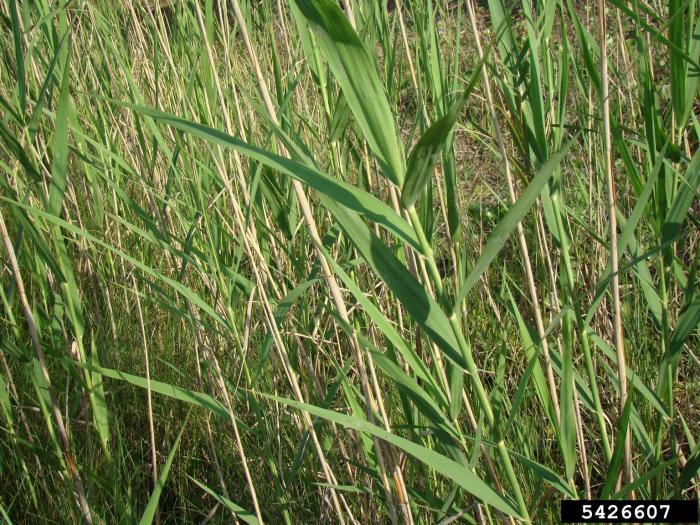
  • Common reed: infestation.
  • Common reed: infestation.
  • Common reed: stem and sheath.
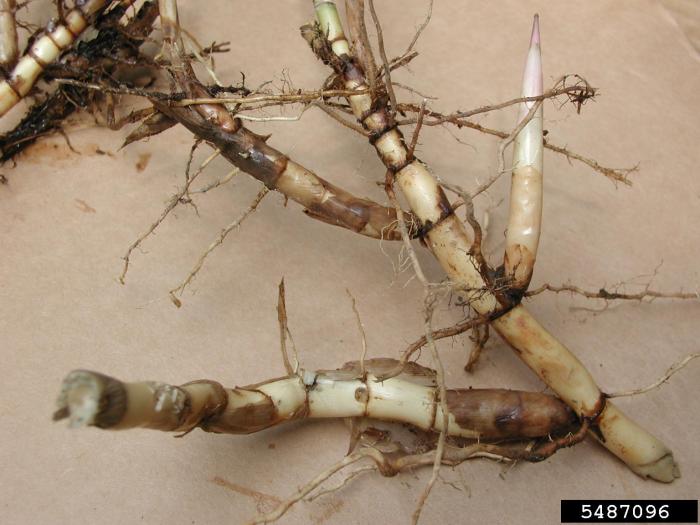
  • Common reed: root.
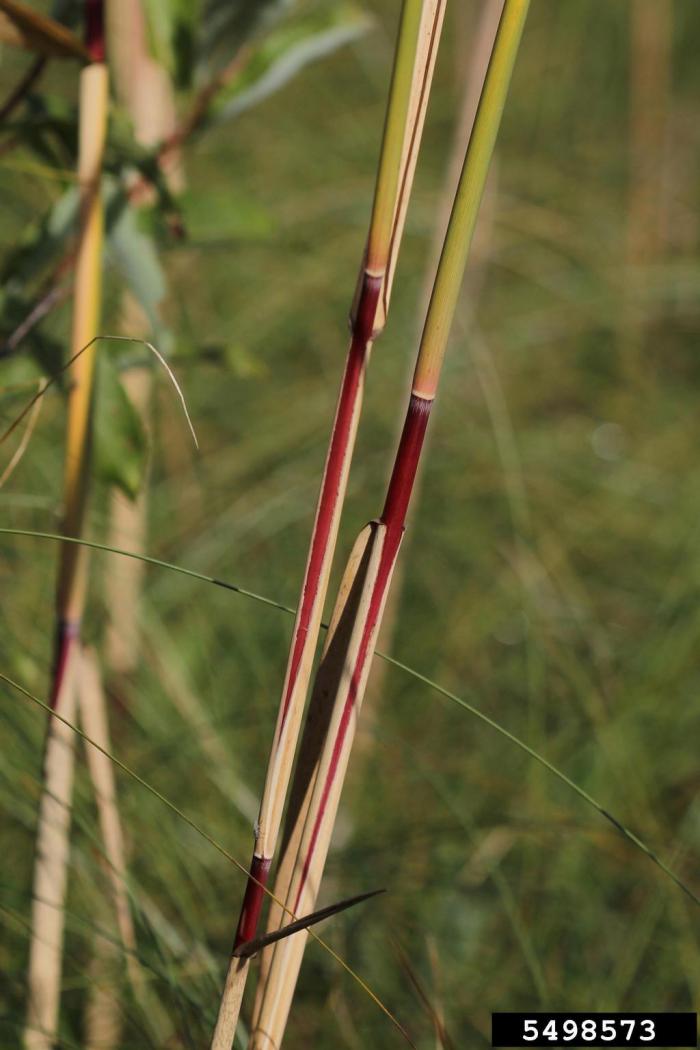
  • Look-alike: American reed, (Phragmites americanus ) middle and upper stem internodes are smooth, shiny and red-brown to dark red-brown during the growing season.
  • Look-alike: American reed, (Phragmites americanus) middle and upper stem internodes are smooth, shiny and red-brown to dark red-brown during the growing season.

Buckthorn, Common

Rhamnus cathartica

  • Read more about Buckthorn, Common
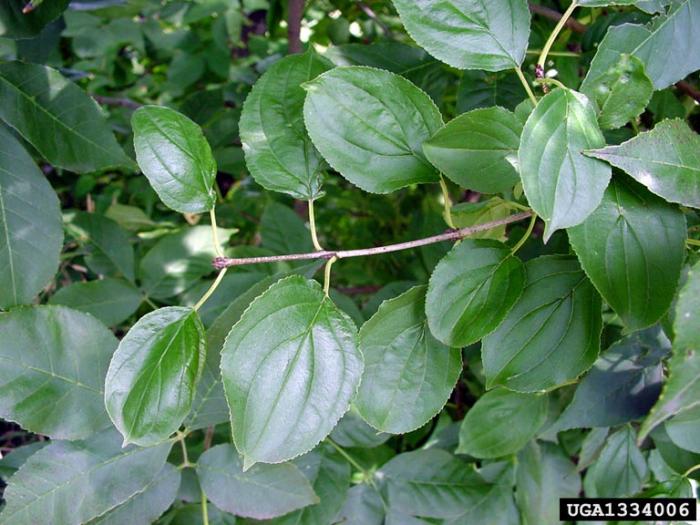
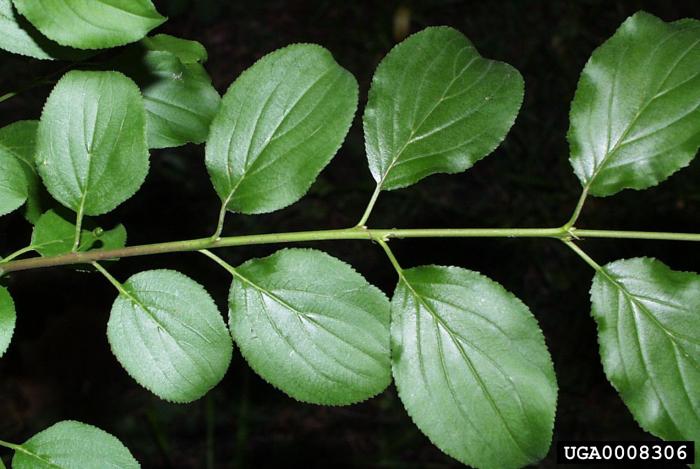
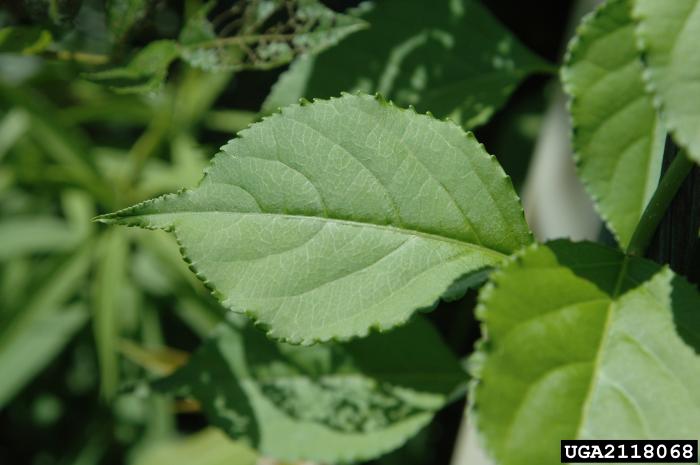
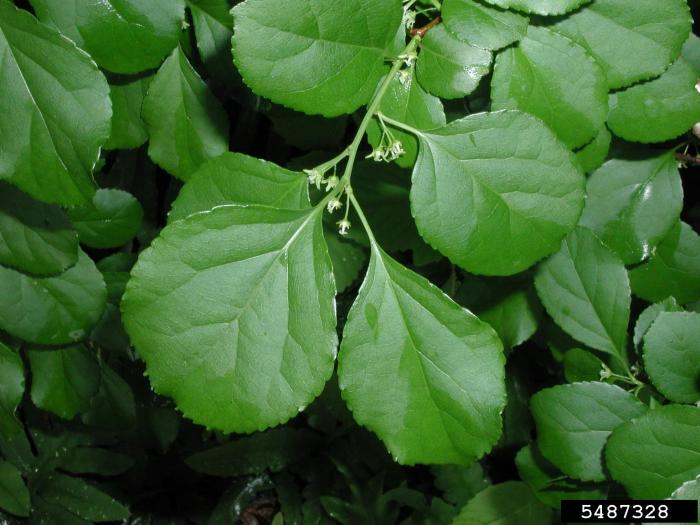
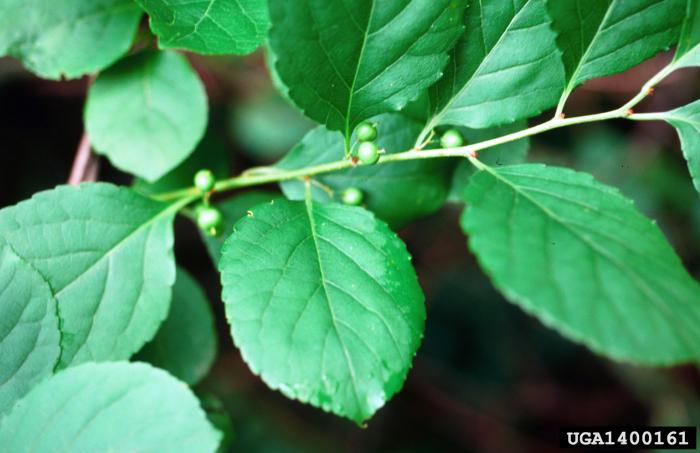
  • Common buckthorn: leaves are arranged sub-oppositely (almost alternate or opposite in some cases), oval, with toothed margins, and veins run parallel towards the tip.
  • Common buckthorn: leaves are arranged sub-oppositely (almost alternate or opposite in some cases), oval, with toothed margins, and veins run parallel towards the tip.
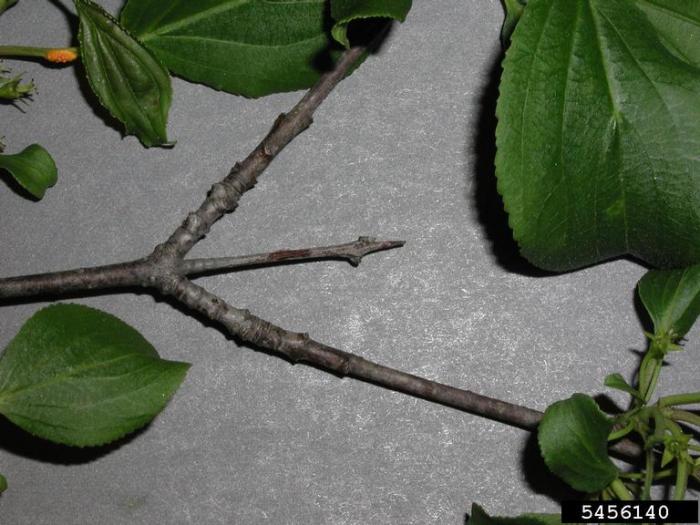
  • Common buckthorn: twigs are usually tipped with a sharp spine.
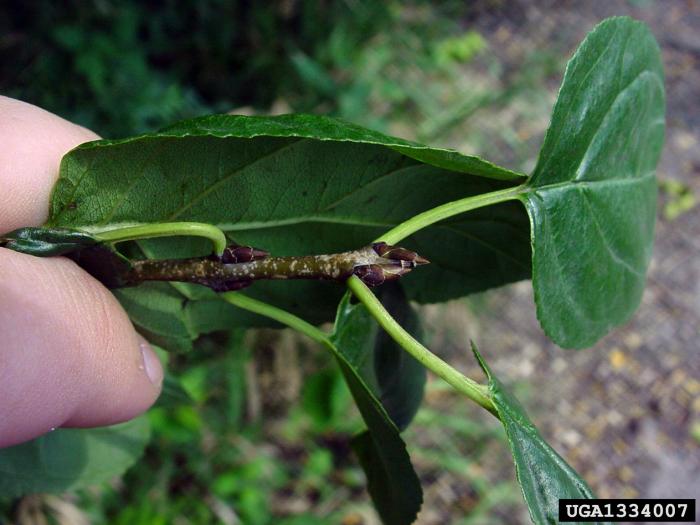
  • Common buckthorn: buds.
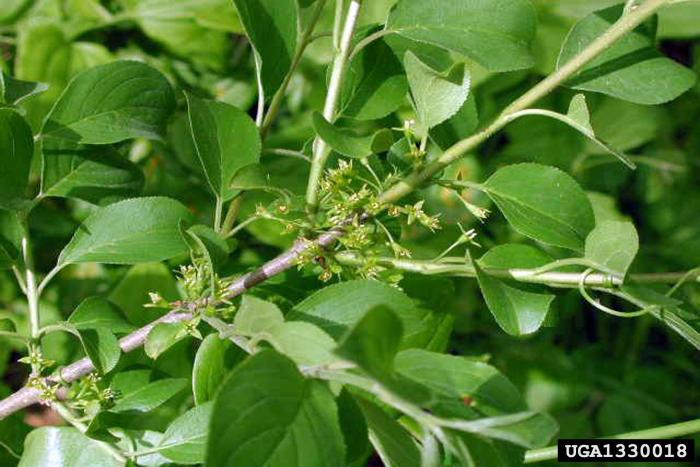
  • Common buckthorn: 4-petaled flowers develop in clusters of 2 to 6 near the base of the petioles.
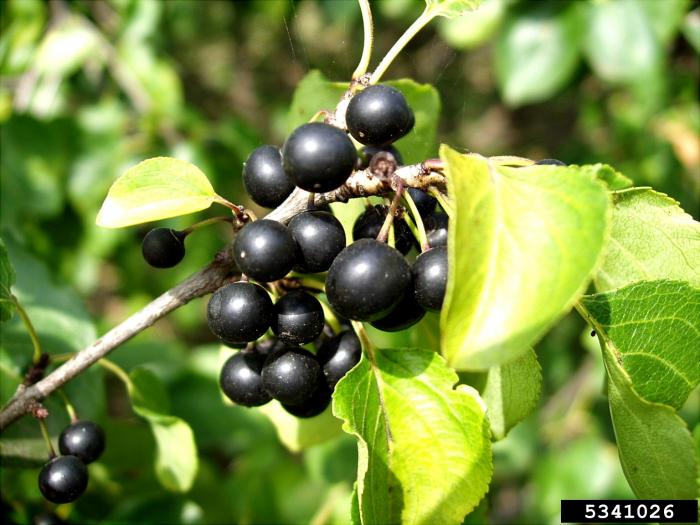
  • Common buckthorn: fruits are small, black berries.
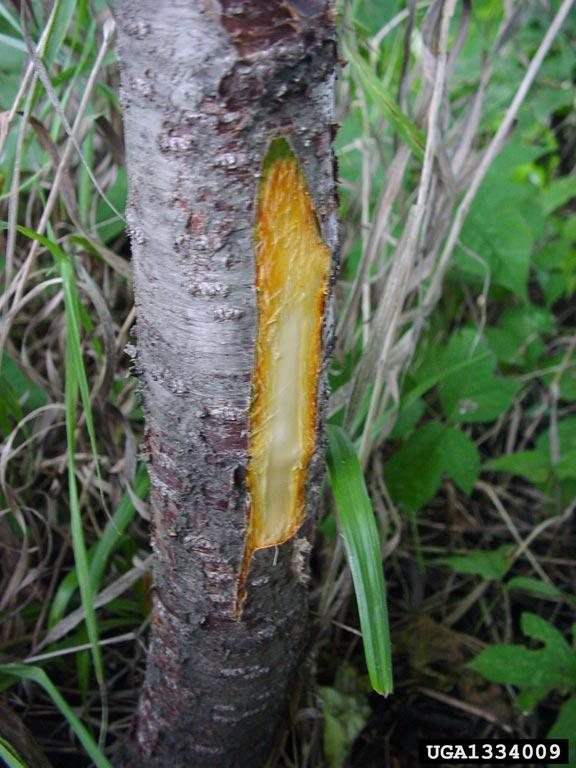
  • Common buckthorn: characteristic orange inner bark on older growth.
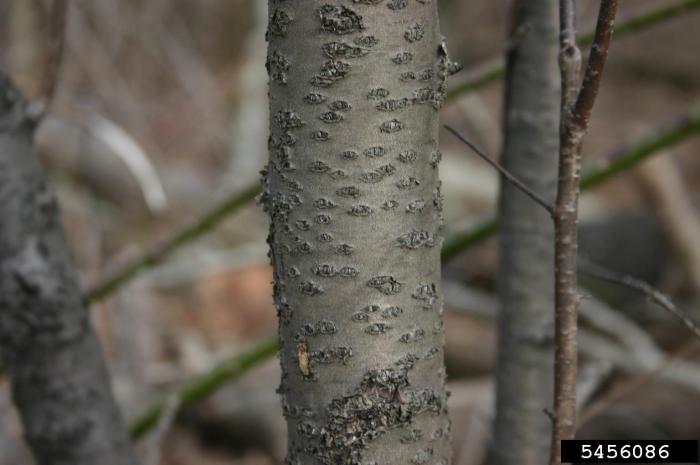
  • Common buckthorn: bark is dark gray.
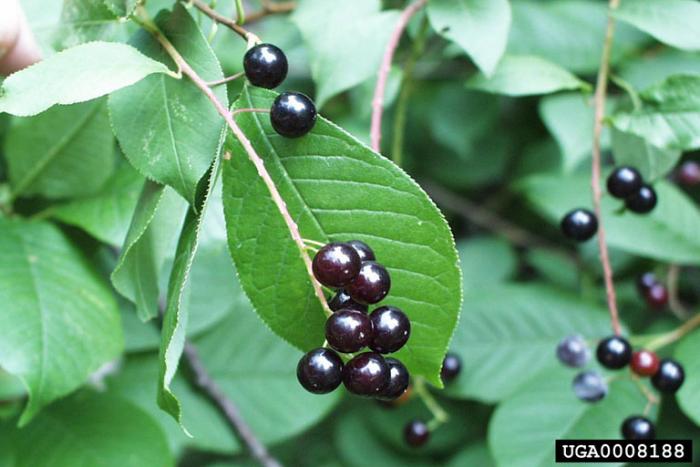
  • Look-alike: common chokecherry (Prunus virginiana) has droopy clusters of flowers and fruit, and leaf veins do not run parallel towards the tip like in common buckthorn

Burning Bush or Winged Euonymus

Euonymus alatus

  • Read more about Burning Bush or Winged Euonymus
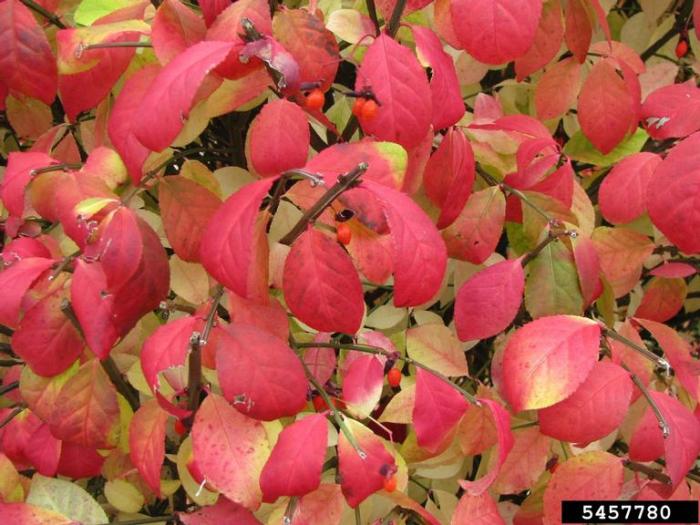
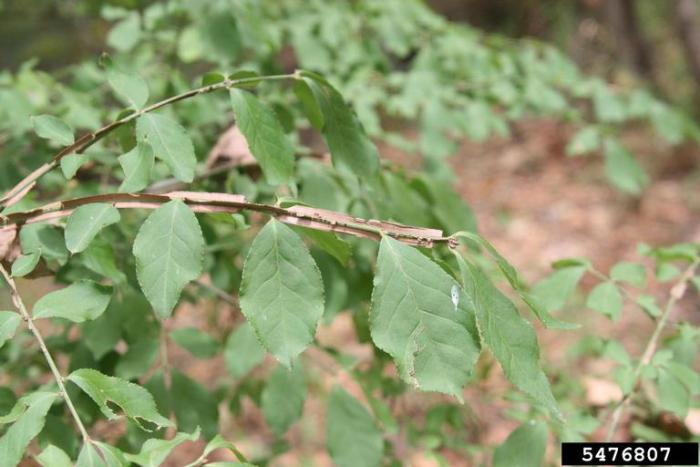
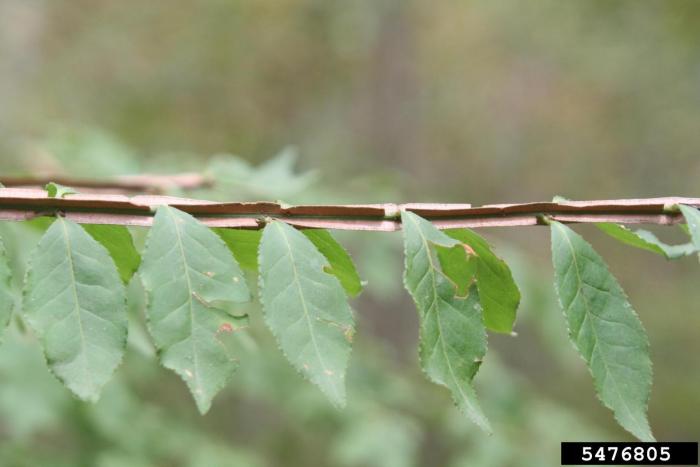
  • Burning bush: opposite leaves, that are elliptic or oval in shape, with a finely toothed edge, that turn red/purple in the fall.
  • Burning bush: corky "winged" bark.
  • Burning bush: corky "winged" bark.
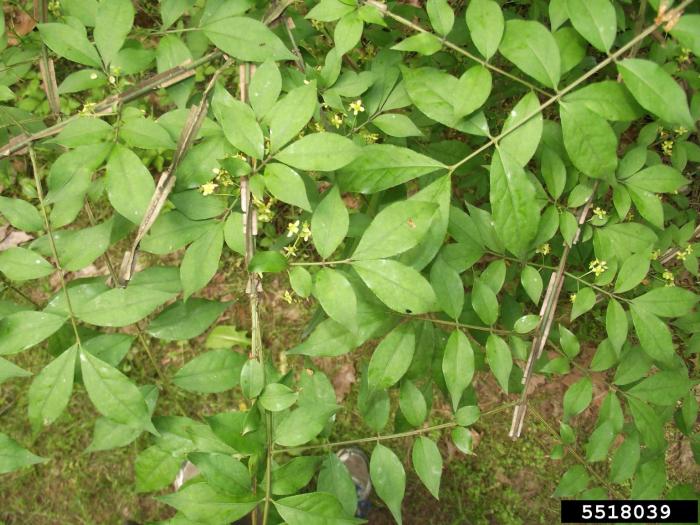
  • Burning bush: flowers are inconspicuous, are greenish yellow and have four petals.
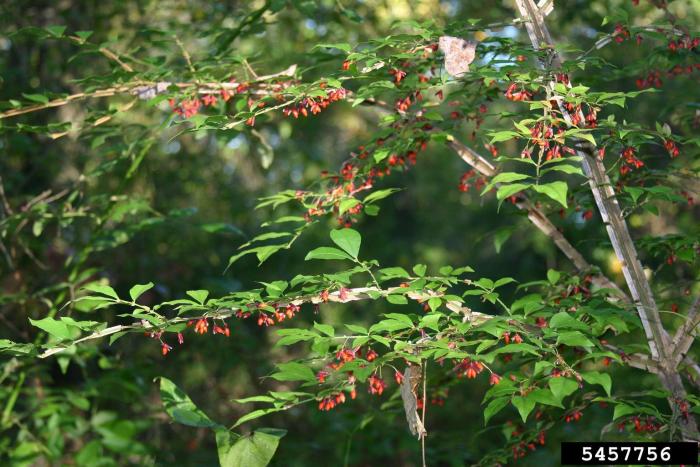
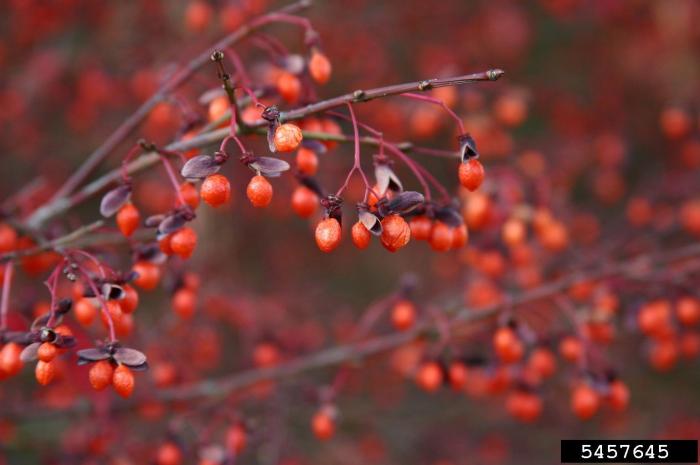
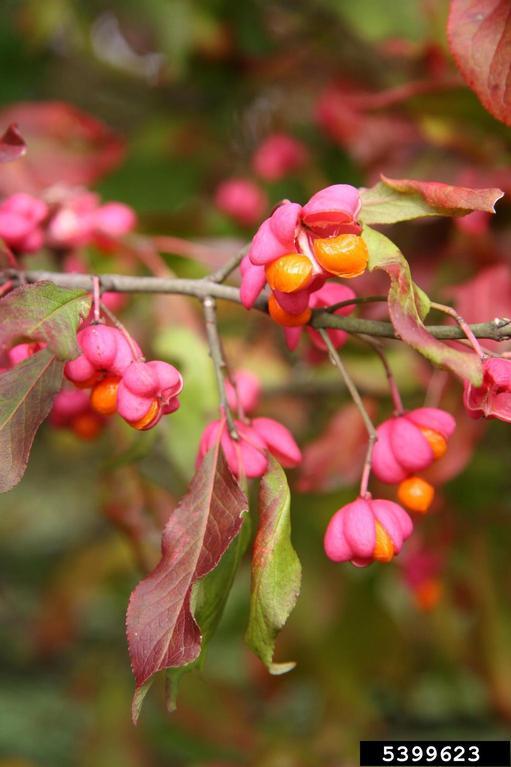
  • Burning bush: fruit, reddish capsules that split to reveal orange fleshy seeds.
  • Burning bush: fruit, reddish capsules that split to reveal orange fleshy seeds.
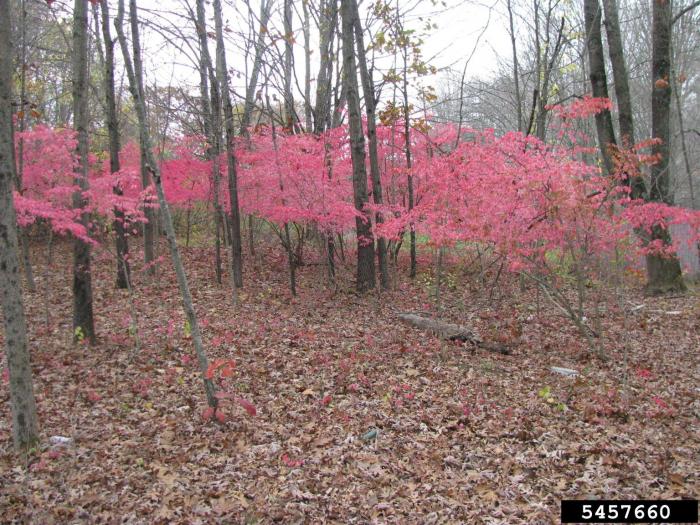
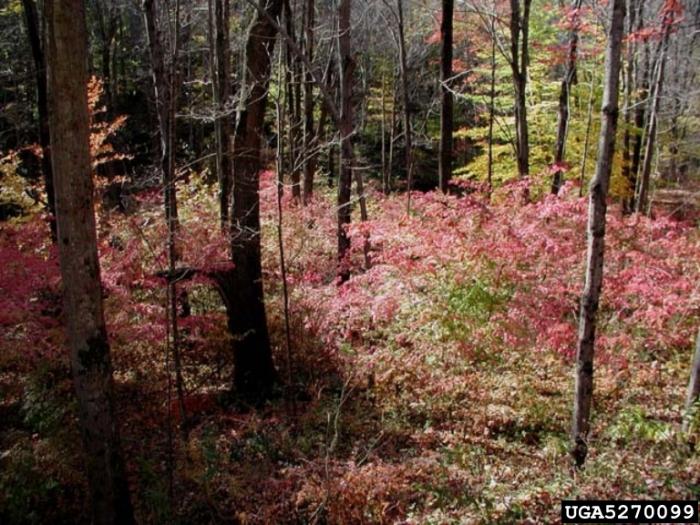
  • Burning bush: infestation.
  • Burning bush: infestation.
  • Look-alike: spindle-tree is also a Euonymus, with a pink capsule and orange/red fruit inside. This is also an invasive species.

Swallowwort, Black

Cynanchum louiseae

  • Read more about Swallowwort, Black
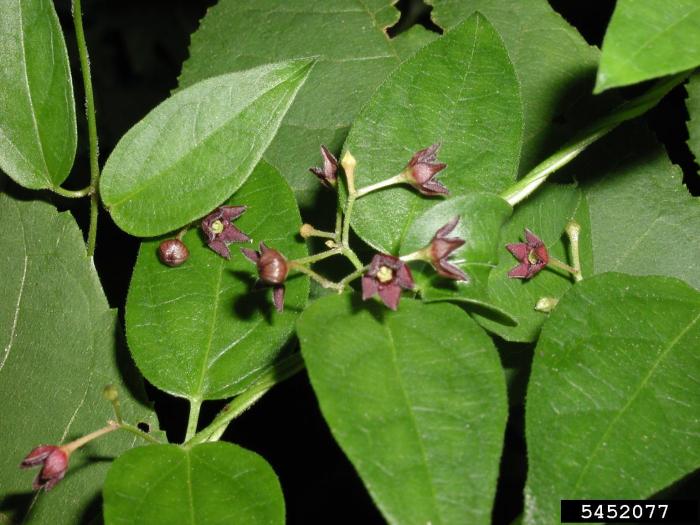
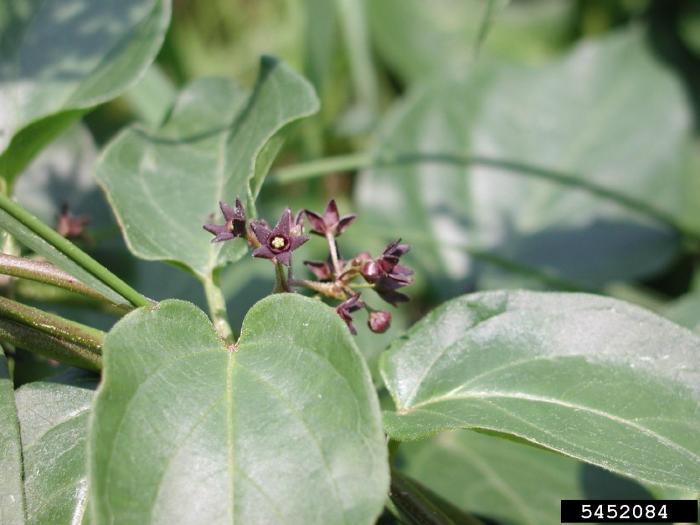
  • Black swallowwort: small, dark, star-shaped flowers.
  • Black swallowwort: small, dark, star-shaped flowers.
  • Black swallowwort: small, dark, star-shaped flowers.
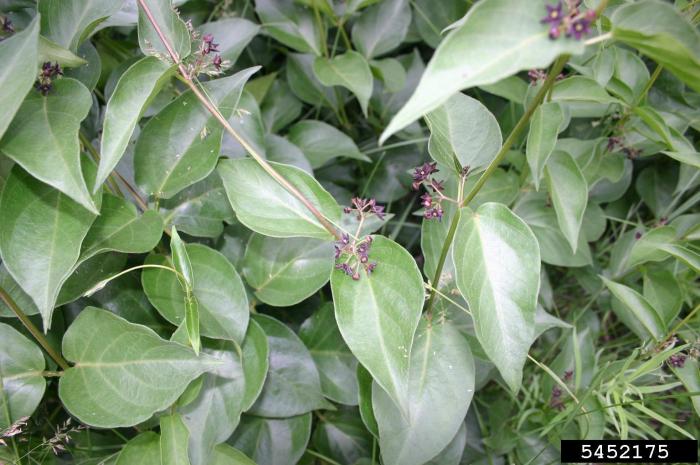
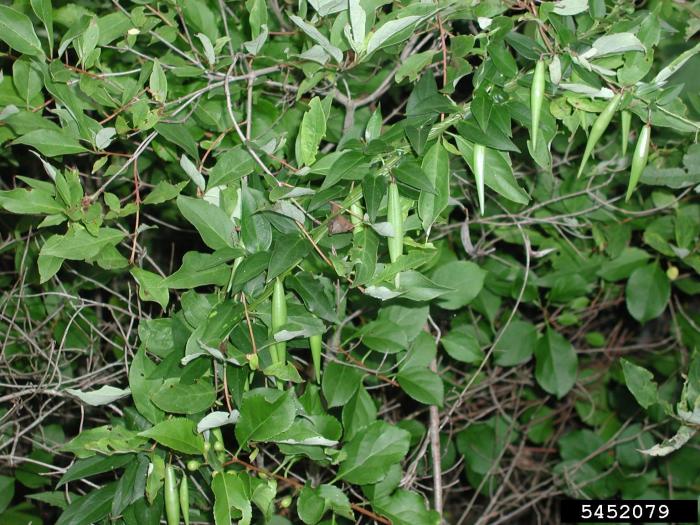
  • Black swallowwort: leaves are opposite, dark green, oval, and shiny with entire margins. Leaves are from 3-4 in. long and 2-3 in. wide. A short petiole attaches the leaf to the vine.
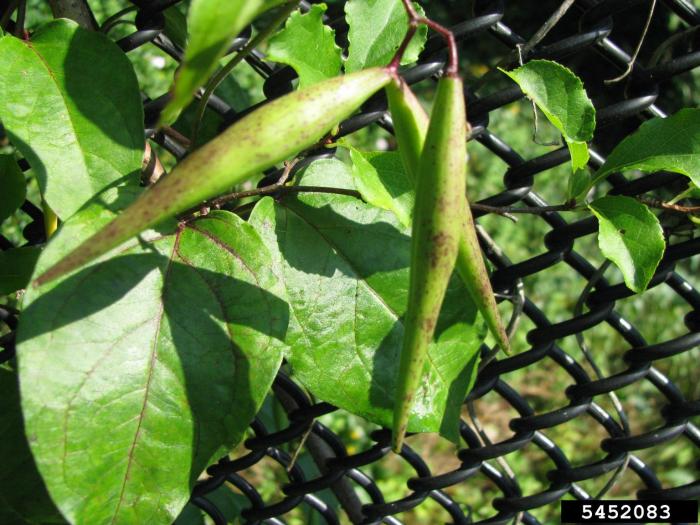
  • Black swallowwort: fruit are pods, similar to milkweed pods, which are slender, 2-3 in. long and split to reveal small seeds with tufts of white hairs.
  • Black swallowwort: fruit are pods, similar to milkweed pods, which are slender, 2-3 in. long and split to reveal small seeds with tufts of white hairs.
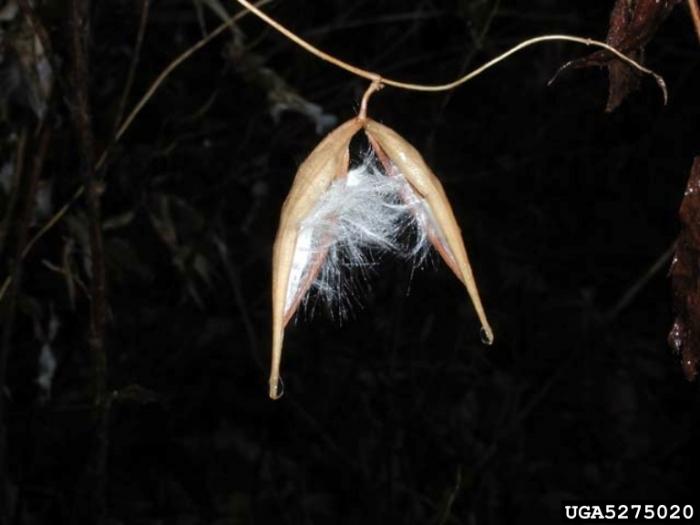
  • Black swallowwort: fruit are pods, similar to milkweed pods, which are slender, 2-3 in. long and split to reveal small seeds with tufts of white hairs.
  • Black swallowwort: fruit are pods, similar to milkweed pods, which are slender, 2-3 in. long and split to reveal small seeds with tufts of white hairs.
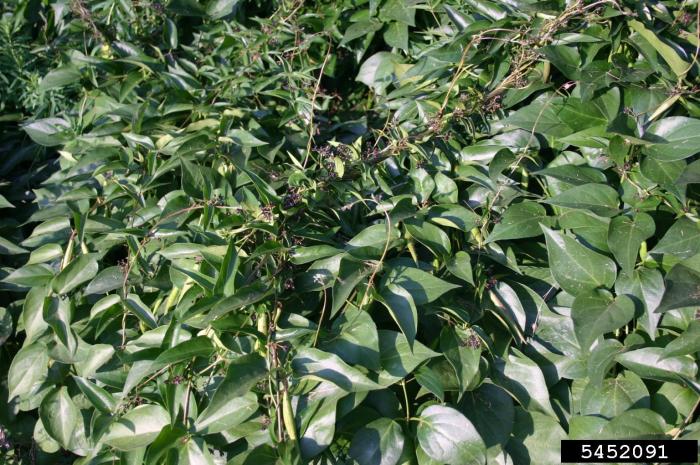
  • Black swallowwort: infestation.
  • Look-alike: pale swallowwort (also an invasive species) flower petals are longer than they are wide, and are pale pink to burgundy in color.

Autumn Olive

Elaeagnus umbellata

  • Read more about Autumn Olive
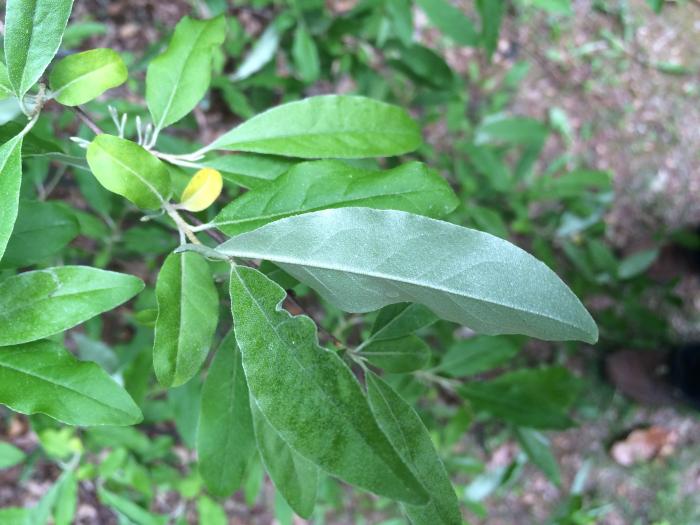
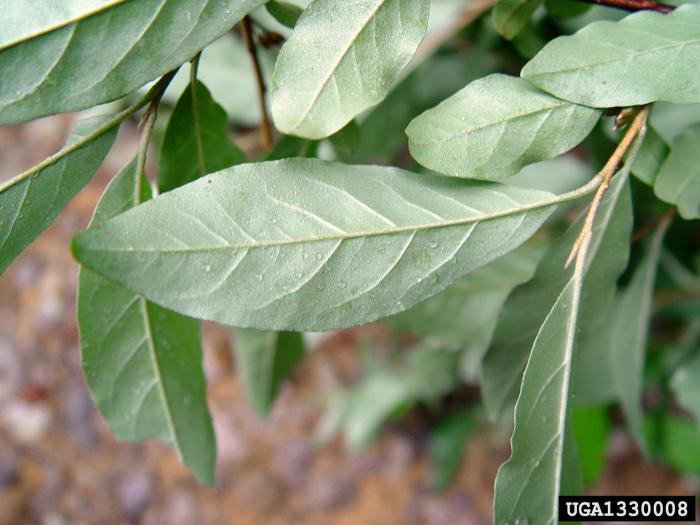
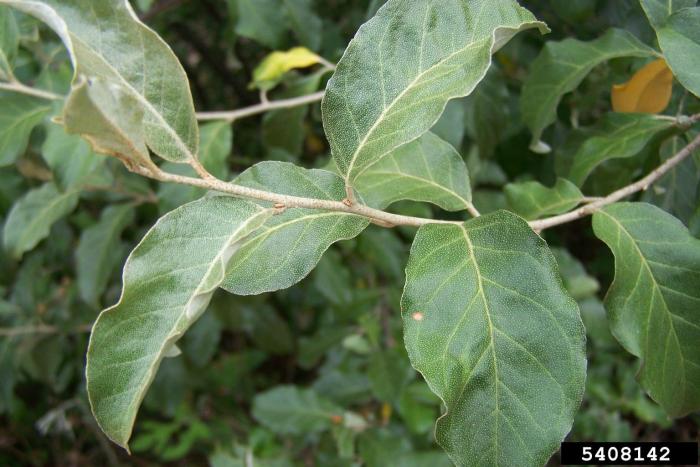
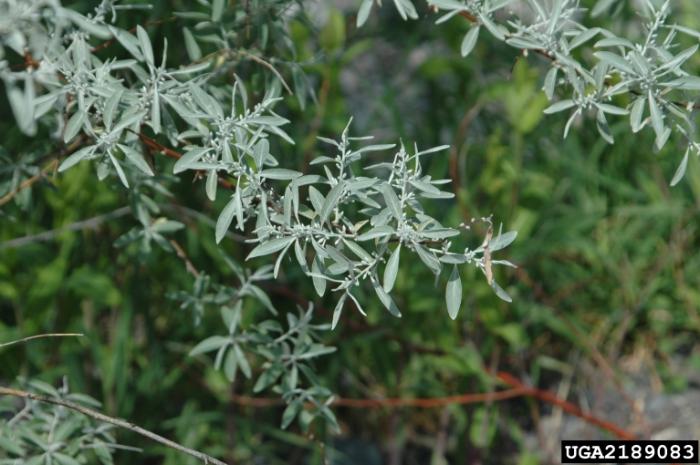
  • Autumn olive: alternate long oval leaves, with silvery undersides, and slight wave to the edge.
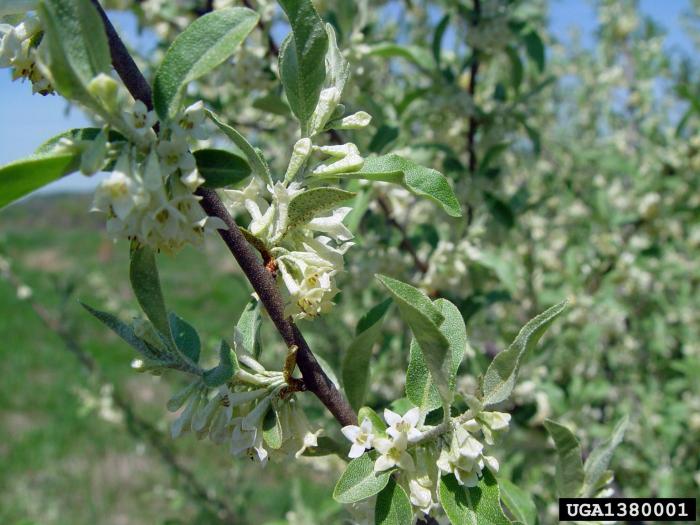
  • Autumn olive: leaves and flowers
  • Autumn olive: small, yellowish tubular flowers are abundant and occur in clusters of 5 to 10 near the stems in early summer.
  • Autumn olive: leaves are bright green to gray green above and silver scaly beneath with short petioles.
  • Autumn olive: leaves are bright green to gray green above and silver scaly beneath with short petioles.
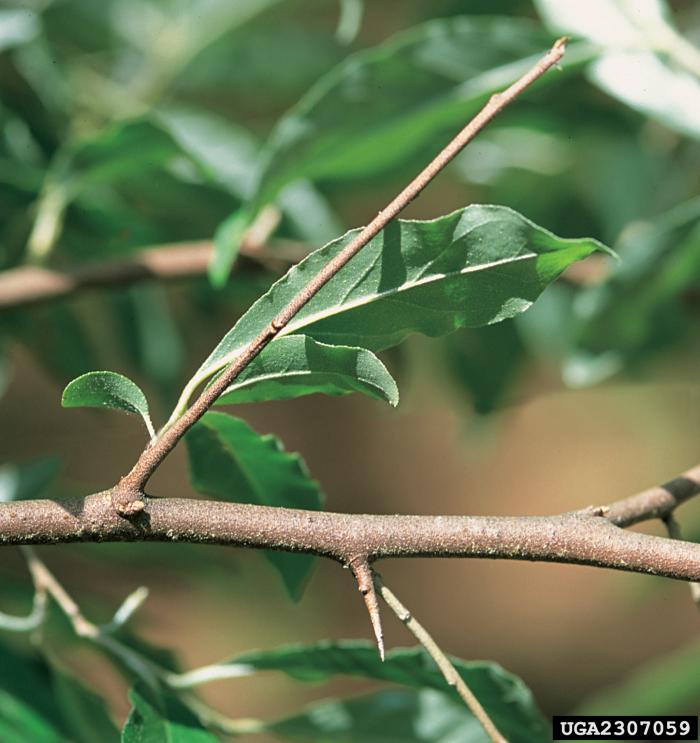
  • Autumn olive: thorny branches.
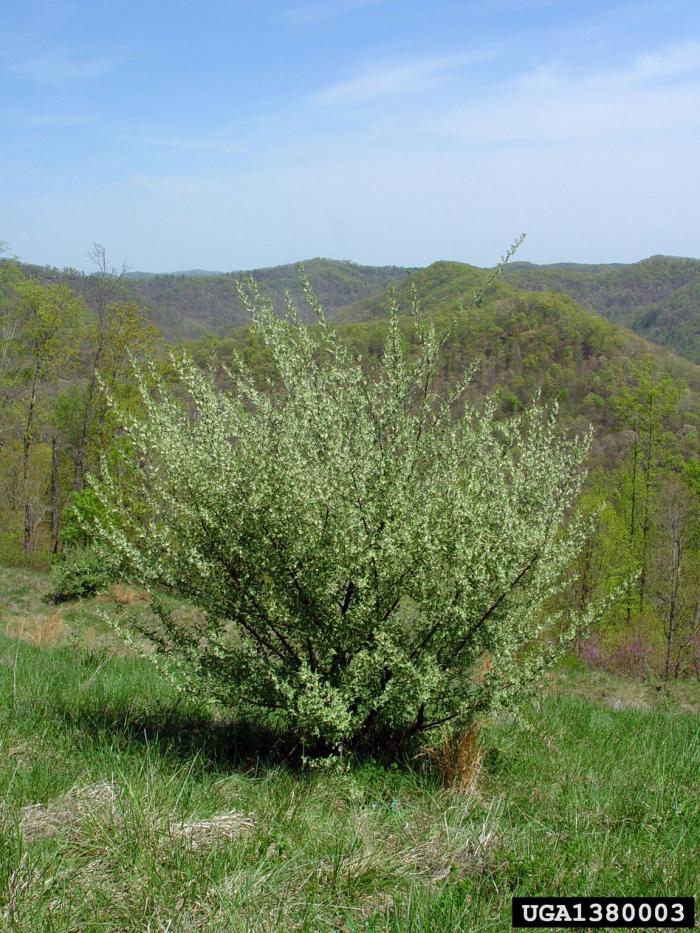
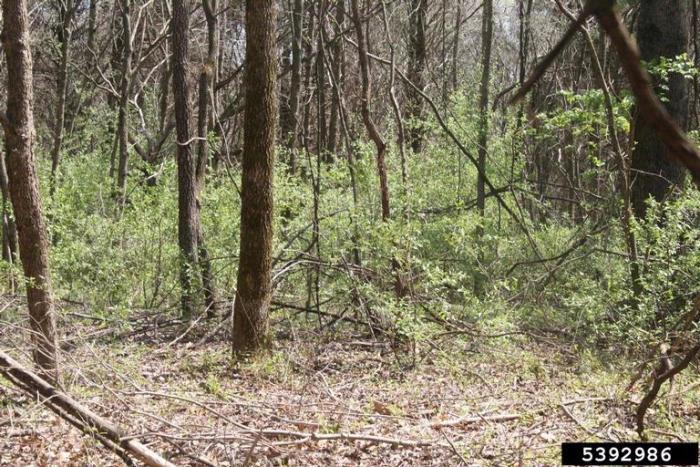
  • Autumn olive: plant form.
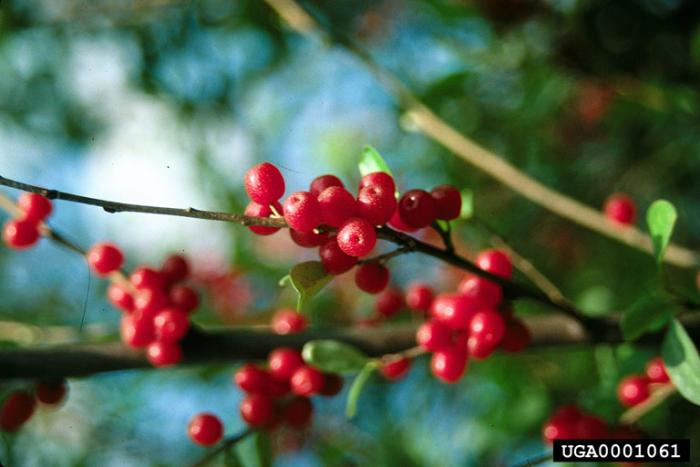
  • Autumn olive: fruit is reddish to pink, round, and covered in scales that look like silvery spots.
  • Autumn olive: leaves and fruit.
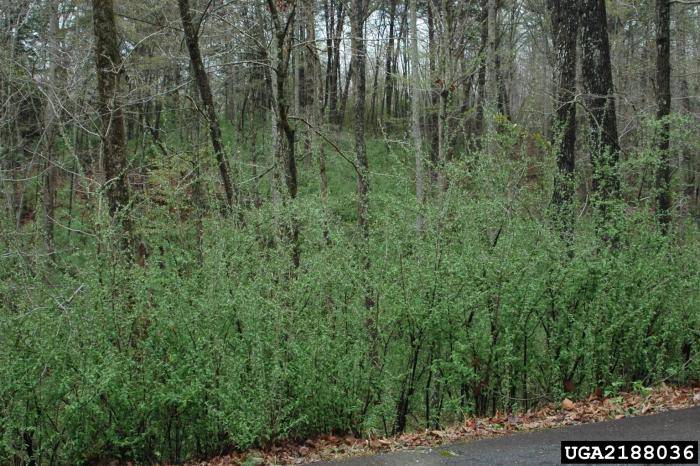
  • Autumn olive: infestation.
  • Autumn olive: infestation.
  • Look-alike: Russian olive has silvery scales covering both sides of its leaves.

Bittersweet, Asiatic

Celastrus orbiculatus
  • Read more about Bittersweet, Asiatic
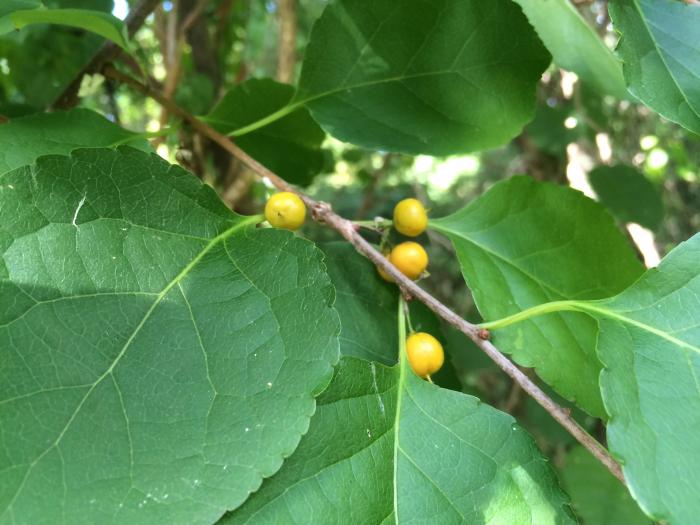
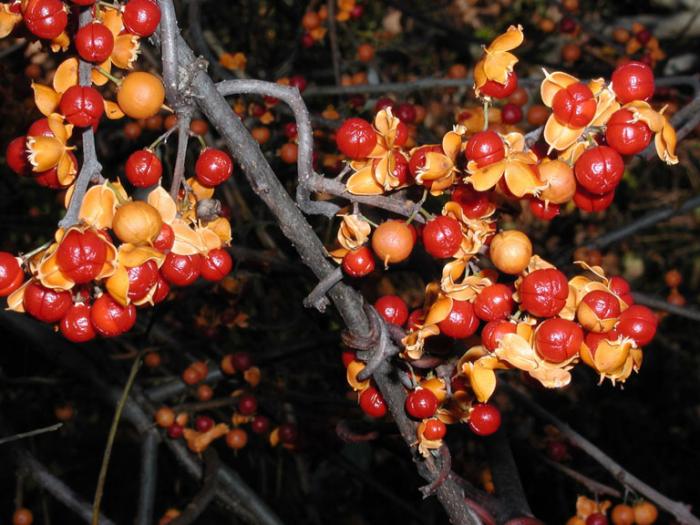
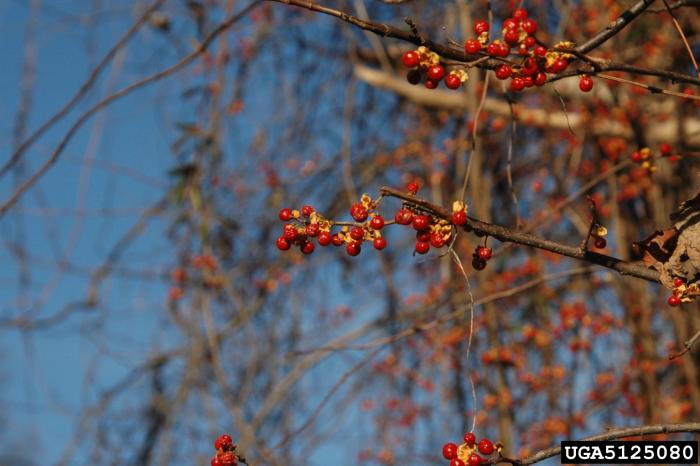
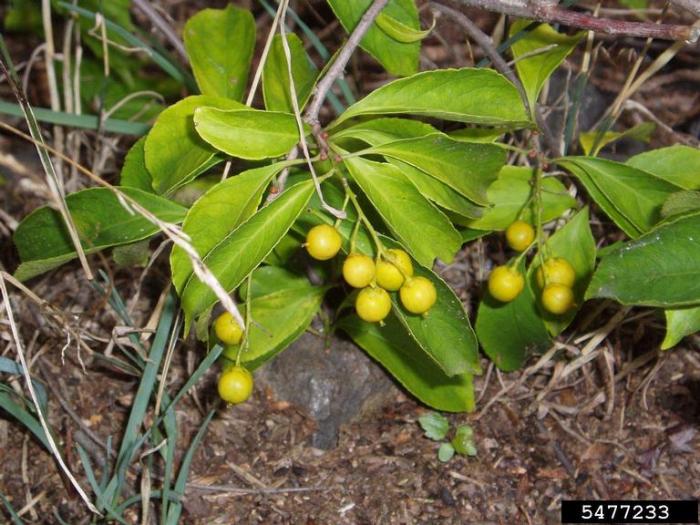
  • Asiatic bittersweet: small globose fruits are green when young; ripen to yellow; then split to reveal showy, scarlet berries that persist into winter.
  • Asiatic bittersweet: alternate, elliptical to circular leaves are light green in color and 2-5 in. long.
  • Asiatic bittersweet: small, inconspicuous, axillary, greenish-white flowers bloom from May to early June.
  • Asiatic bittersweet: small globose fruits are green when young; ripen to yellow; then split to reveal showy, scarlet berries that persist into winter.
  • Asiatic bittersweet: small globose fruits are green when young; ripen to yellow; then split to reveal showy, scarlet berries that persist into winter.
  • Asiatic bittersweet: small globose fruits are green when young; ripen to yellow; then split to reveal showy, scarlet berries that persist into winter.
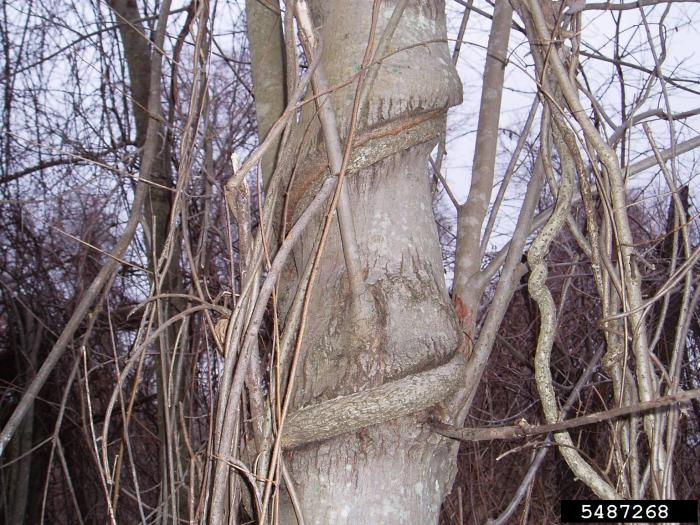
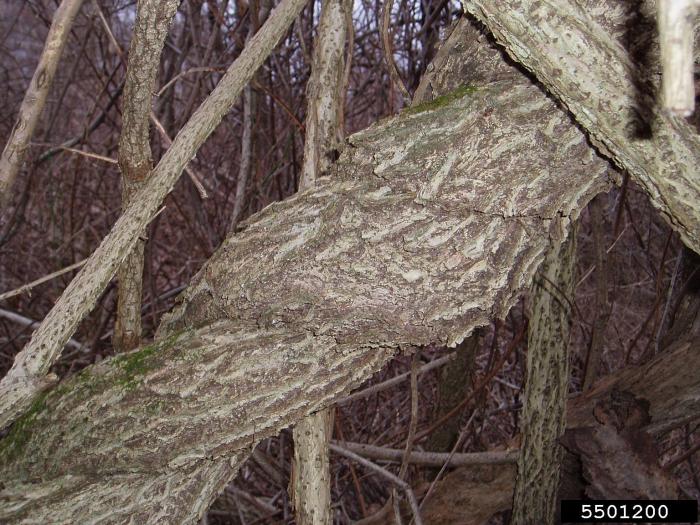
  • Asiatic bittersweet: woody vine that climbs saplings and trees and can grow over 60 feet in length.
  • Asiatic bittersweet: woody vine that climbs saplings and trees and can grow over 60 feet in length.
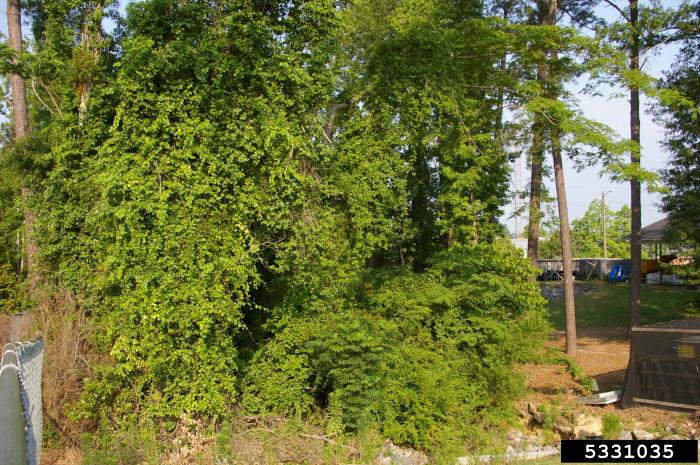
  • Asiatic bittersweet: infestation.
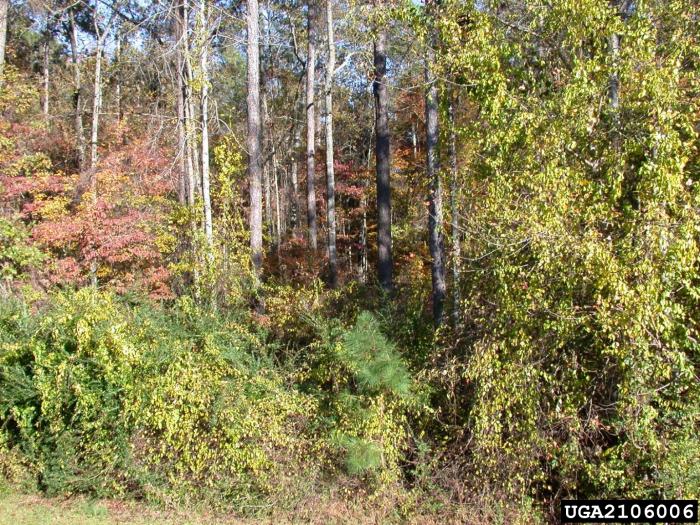
  • Asiatic bittersweet: infestation.
  • Look-alike: American bittersweet (Celastrus scandens) with terminal fruits.
Pagination

  • Previous page ‹‹
  • Page 7
  • Next page ››
Subscribe to Shoreline

Helpful Information

  • Contact
  • Slow the Spread
  • Manage
  • Events

Main navigation

  • Water
  • Land

Report it!

  • Vermont Department of Forests, Parks and Recreation
  • Vermont Extension

This website was supported by an Innovations and Collaborations Grant from the Vermont Community Foundation.

Site by Tamarack Media Cooperative. Cover image by Brian Leedy.