Forest

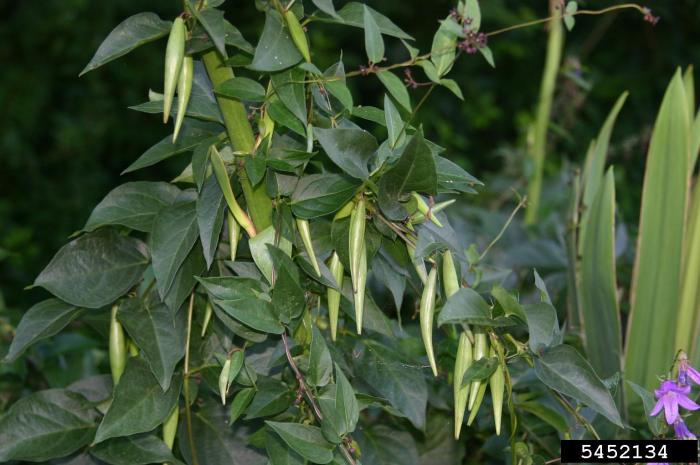


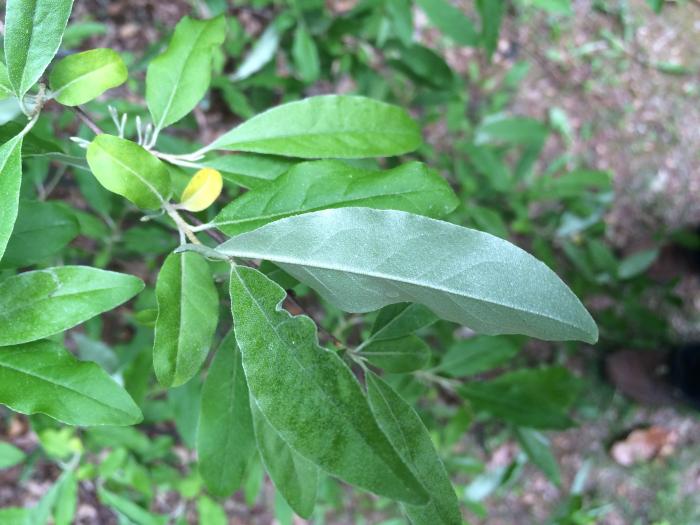
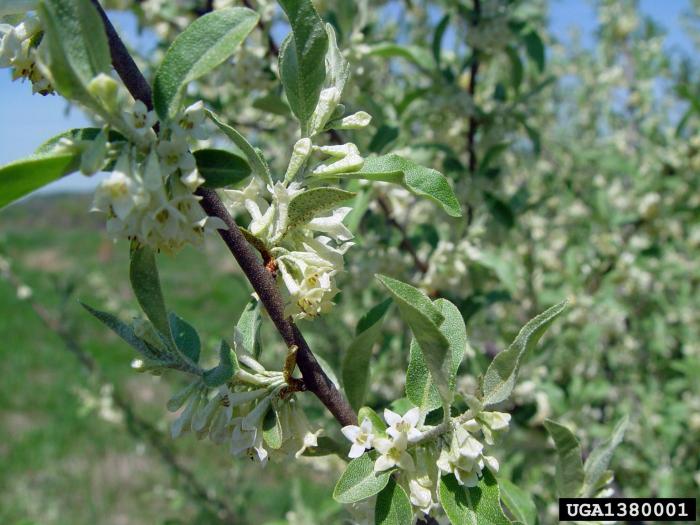

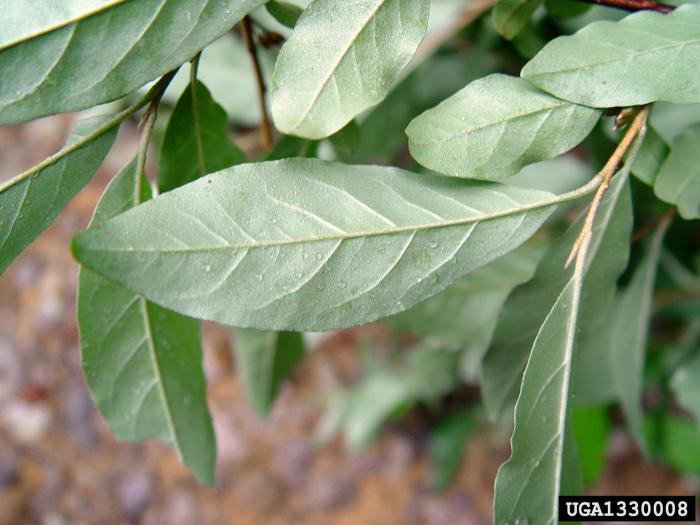
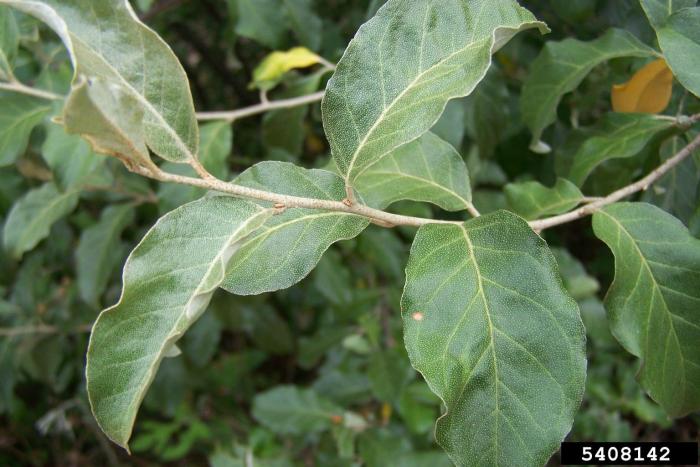
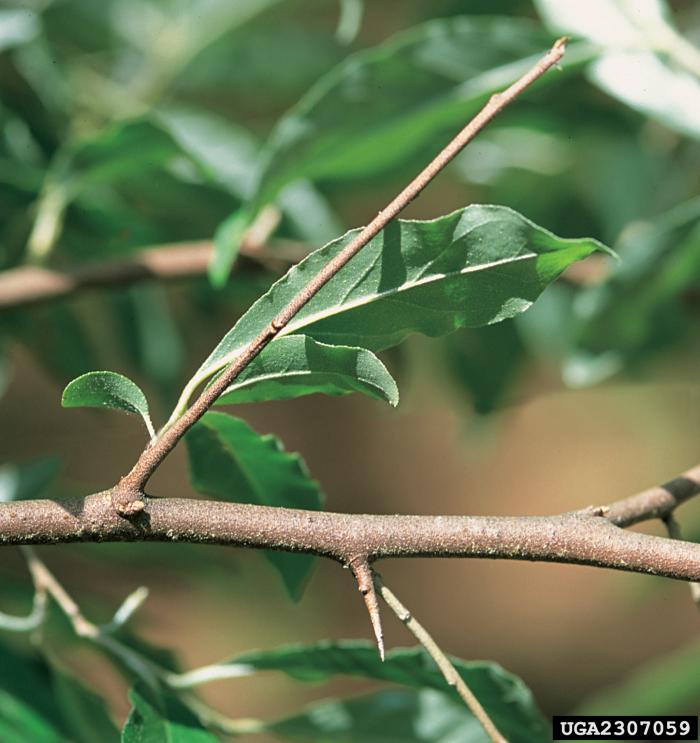
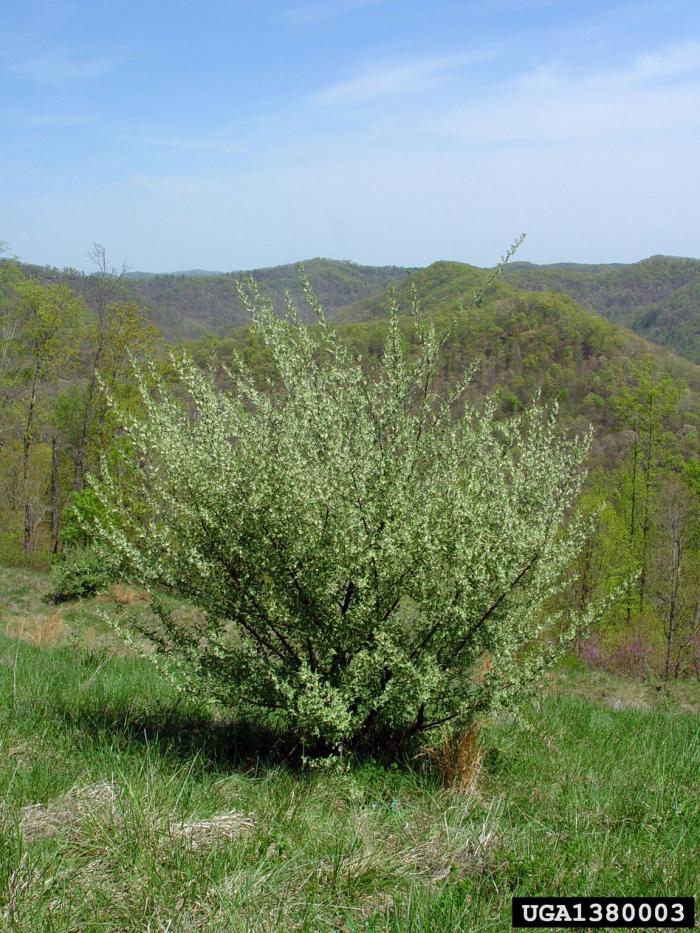
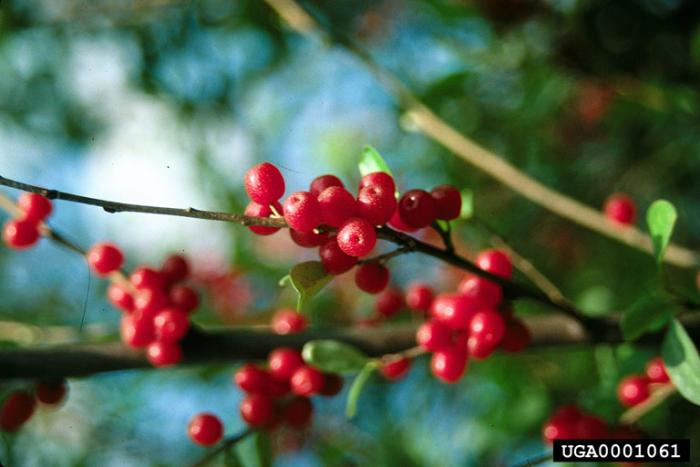

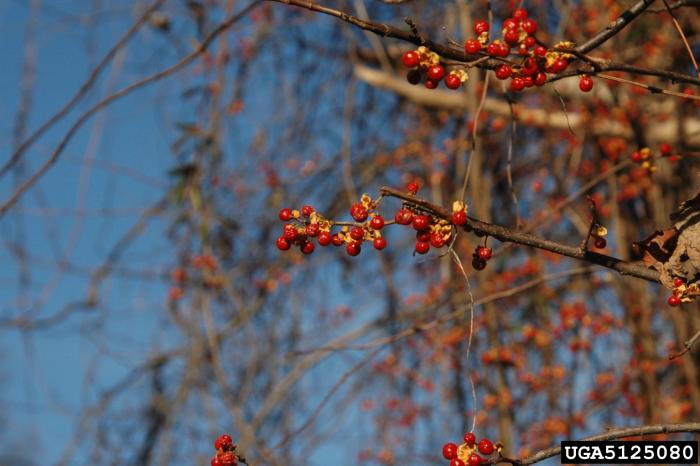
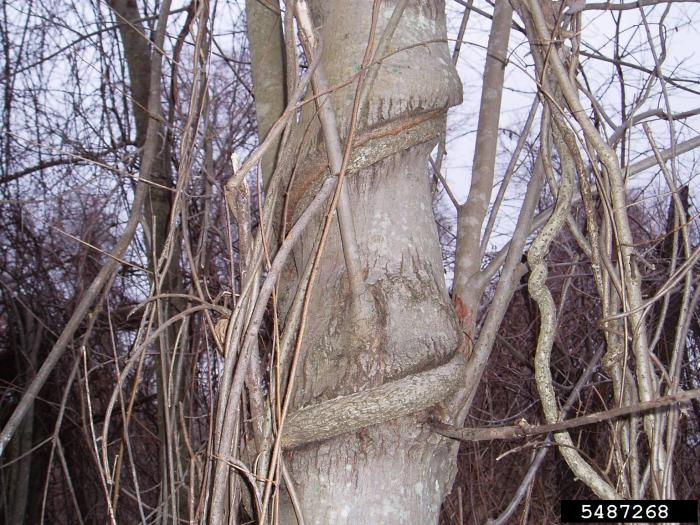
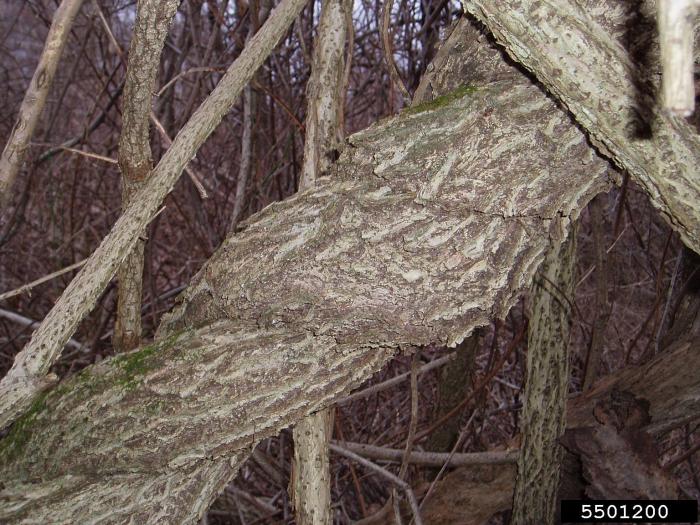
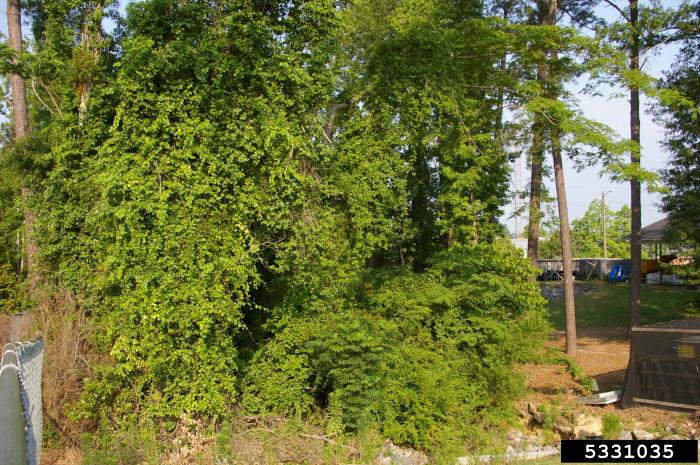
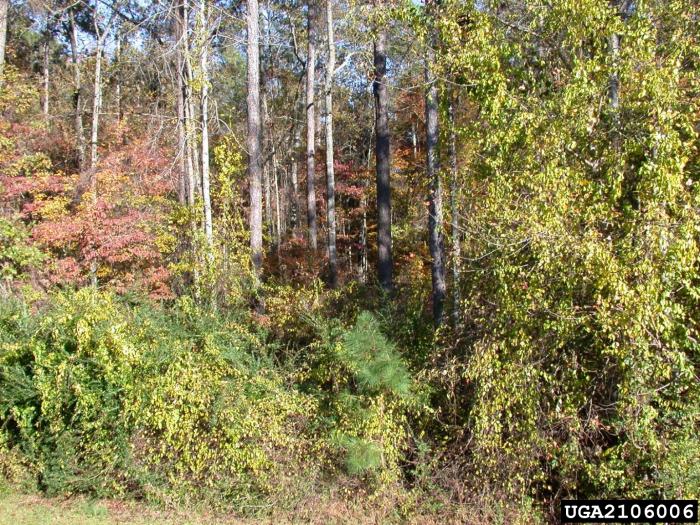
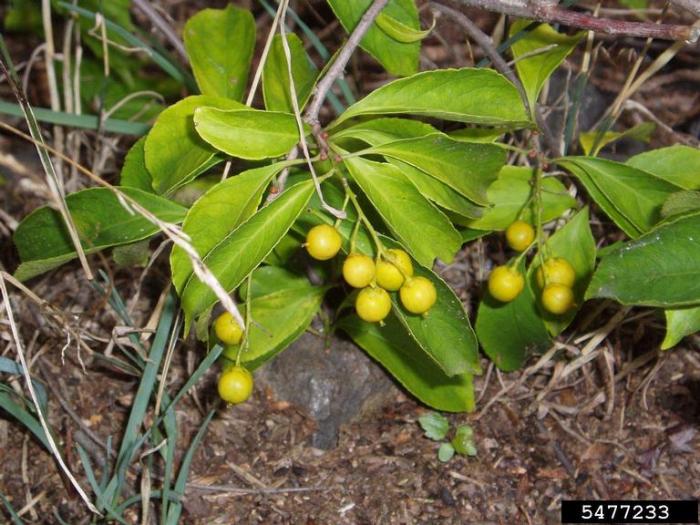
Season Highlights for Invasive Plant Management in Vermont
The growing season for 2016 saw many projects across the state tackling the forest, field, and wetland health issue of non-native invasive plants. Below are highlights of some of these amazing local efforts. Huge thanks to everyone who is working toward making our Vermont landscapes healthier and more resilient, and protecting them for generations to come.
Forest Tent Caterpillar Resurgence in Vermont
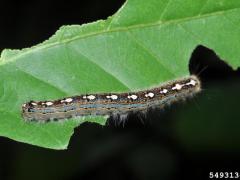
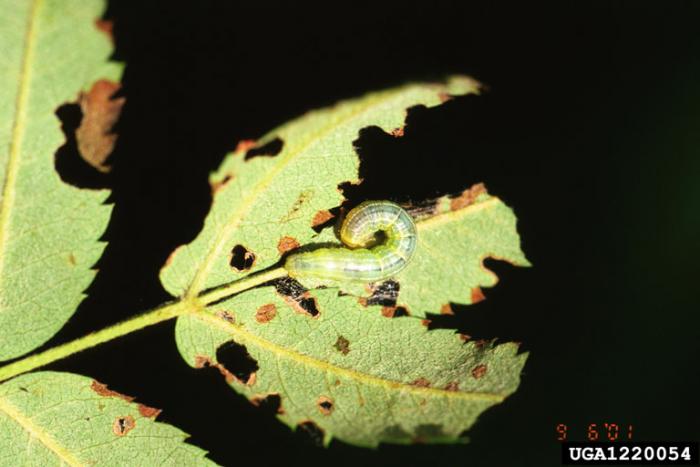
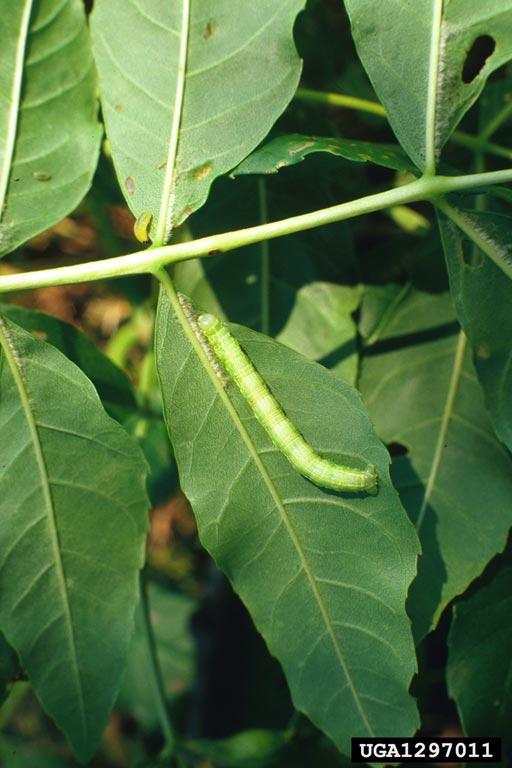
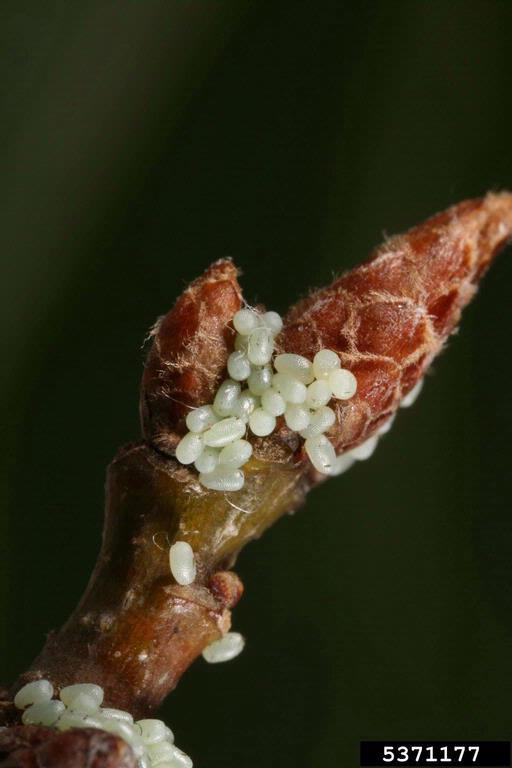
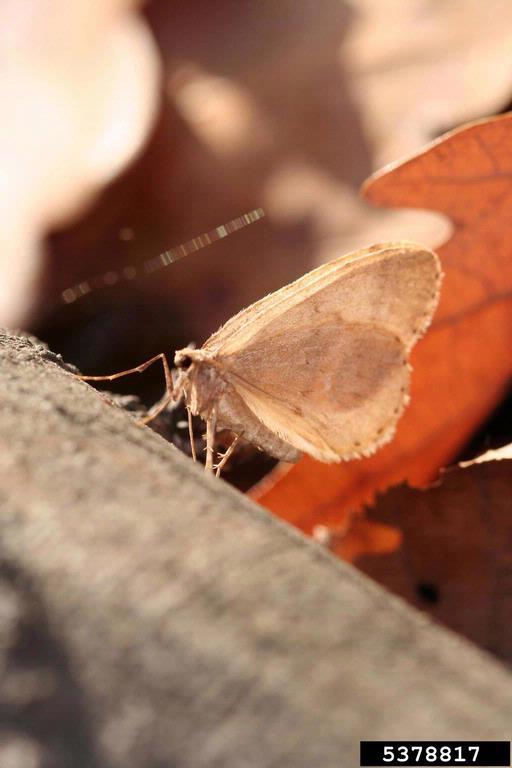
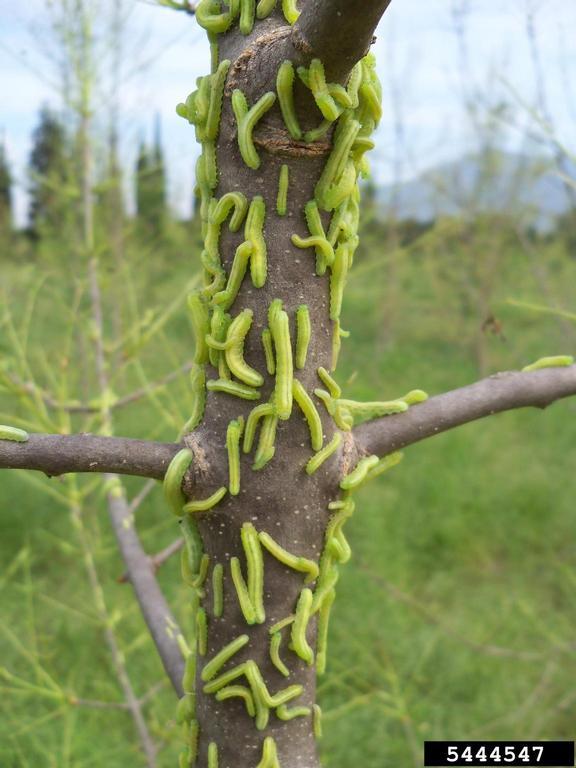
The numbers of Forest Tent Caterpillar, a native insect that feeds on hardwoods, are on the rise. The Department of Forests, Parks and Recreation (VT FPR) monitors Forest Tent Caterpillar. Trap catches this year increased compared to last year in 12 of 13 sites. Populations seem to be growing across the state. The 2016 aerial survey mapped at least 24,500 acres of FTC defoliation. Heaviest defoliation occurred in Essex, Lamoille, Orleans and Caledonia counties.
Webinar: Characteristics of Trees Used to Replacement Ash
- Webinar
Join EAB University and Bob Schutzki, Michigan State University to learn about the characteristics of trees used to replacement ash.