Terrestrial Plants

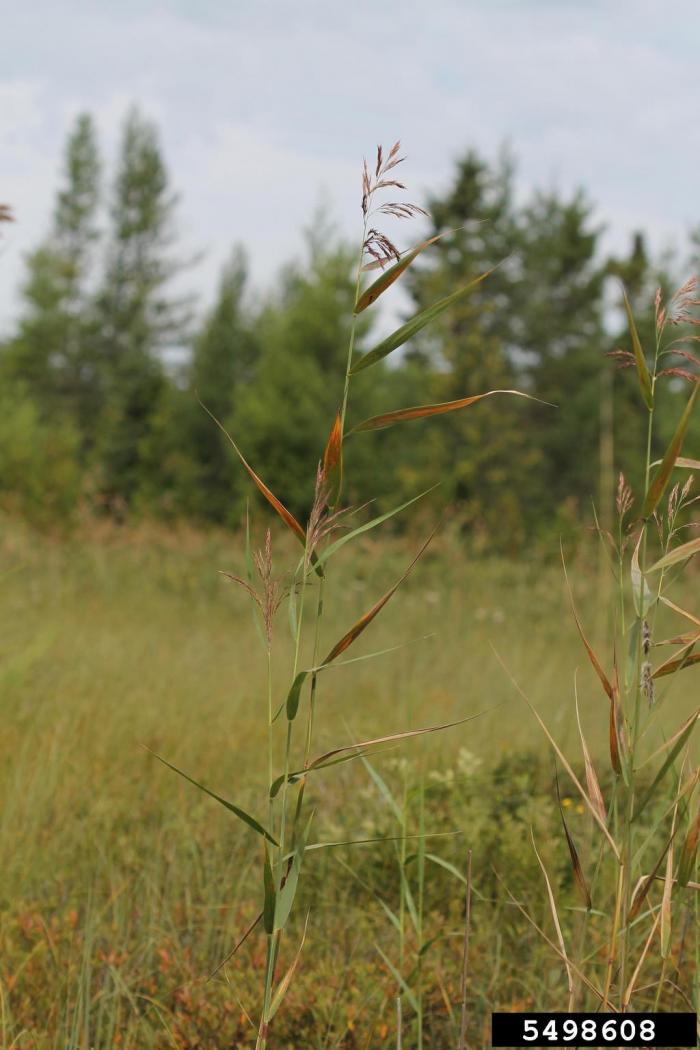
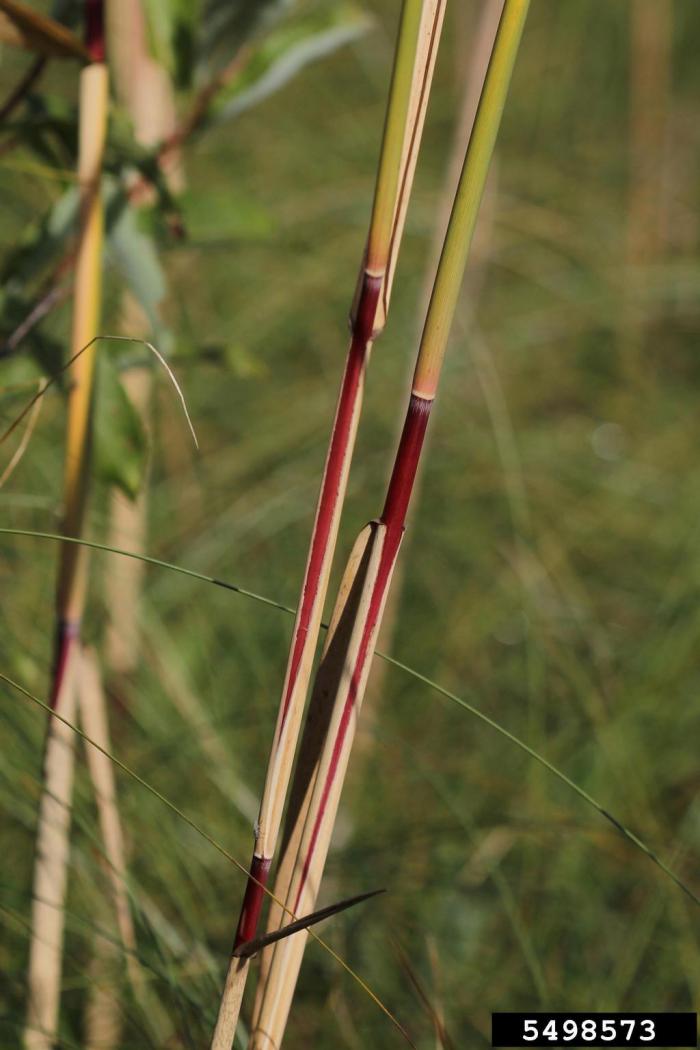
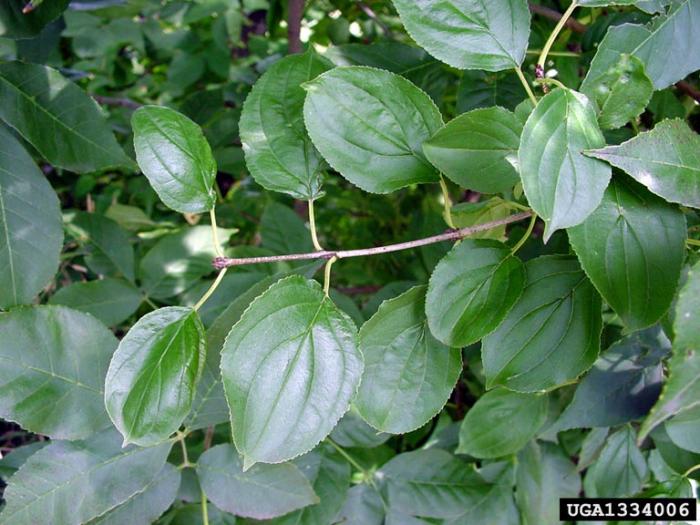
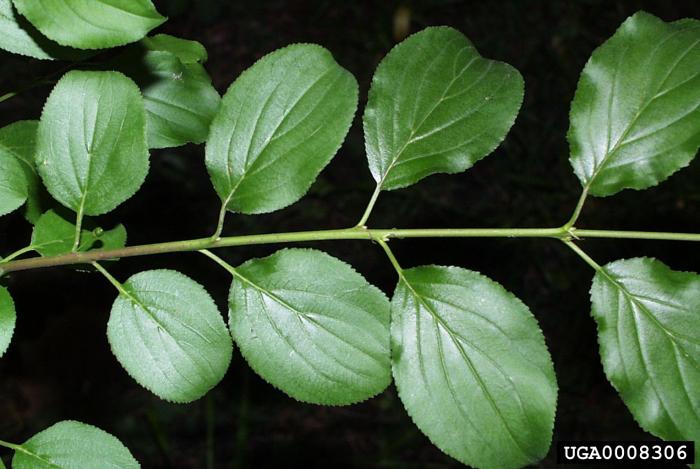
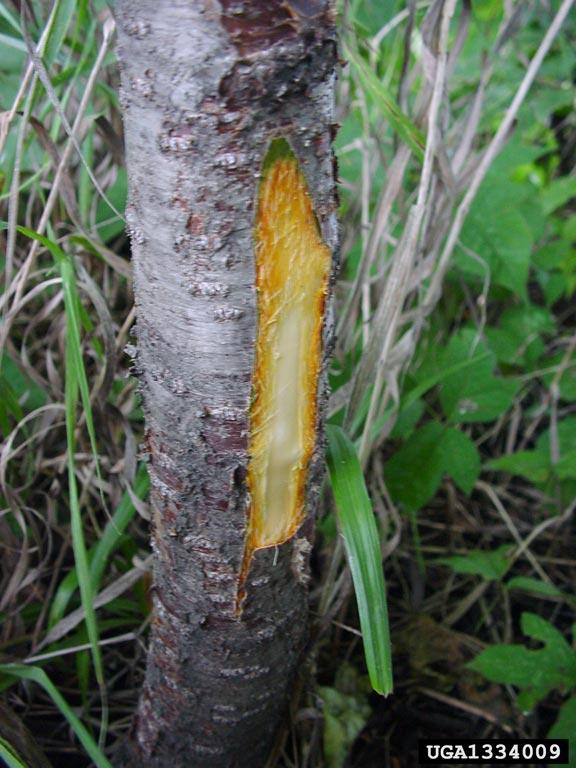

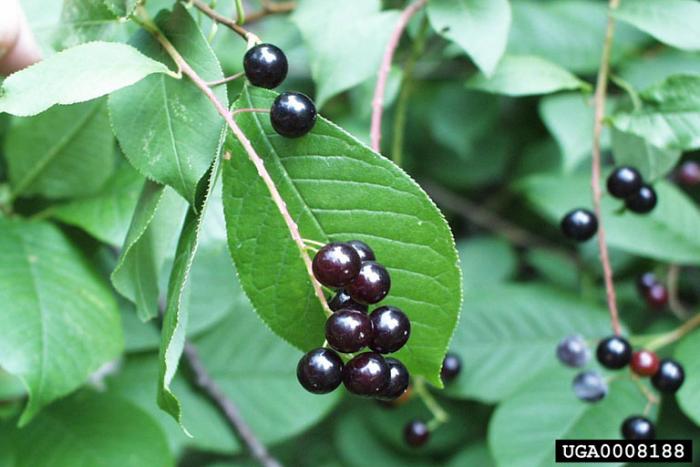
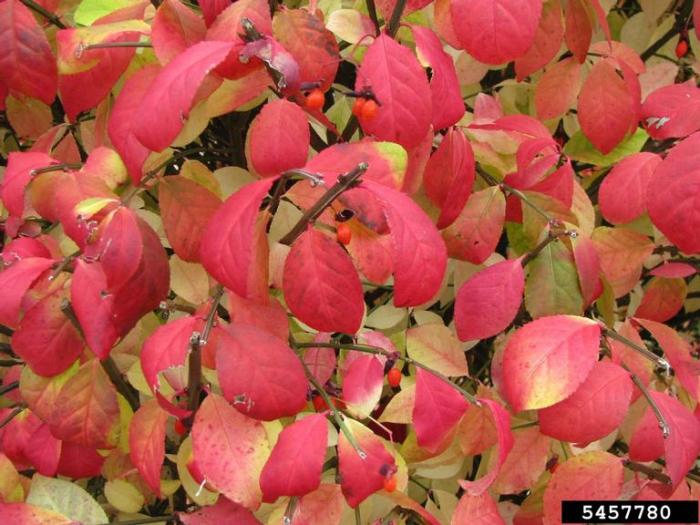
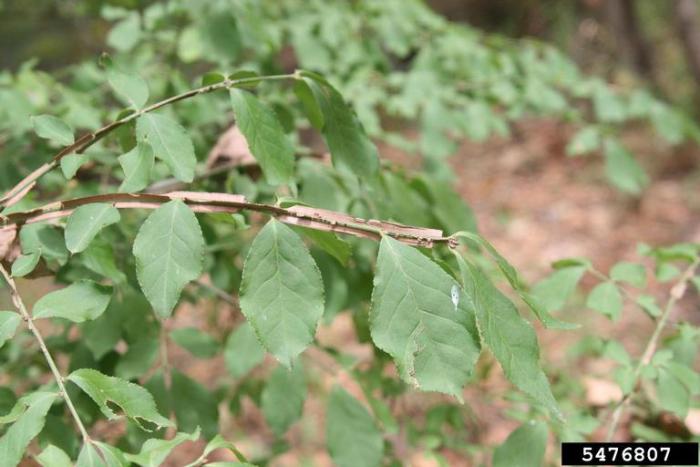

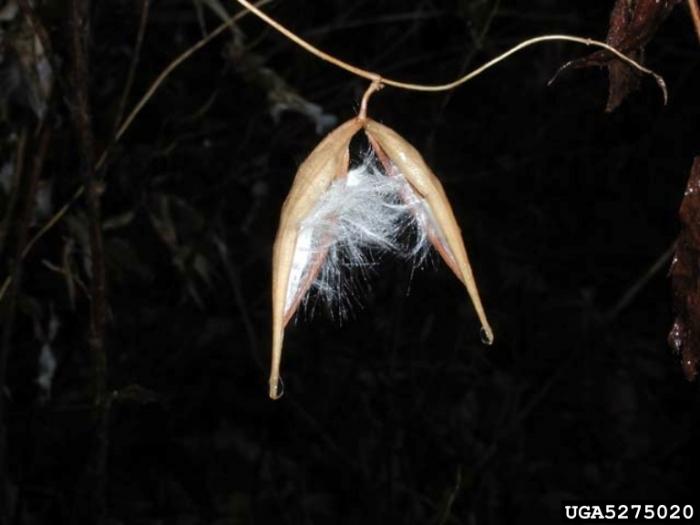

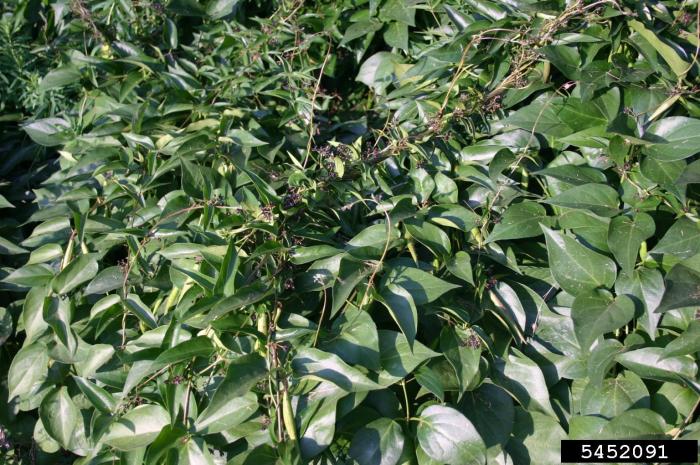

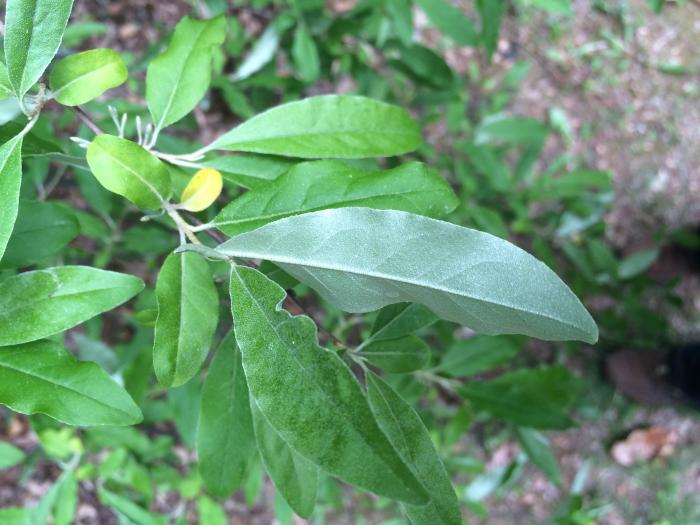
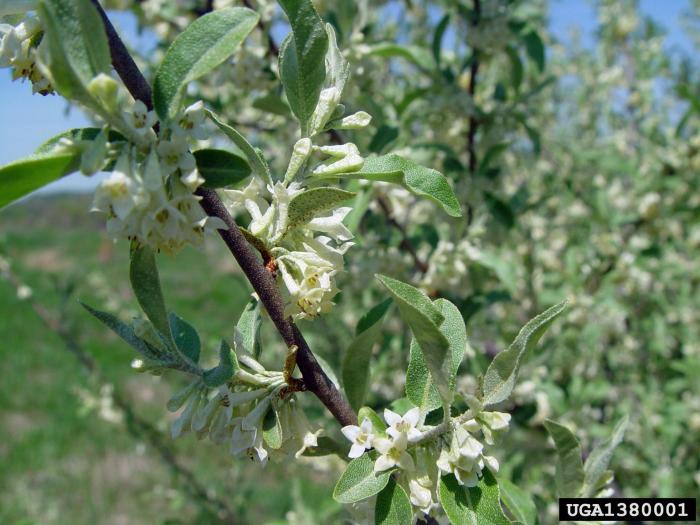

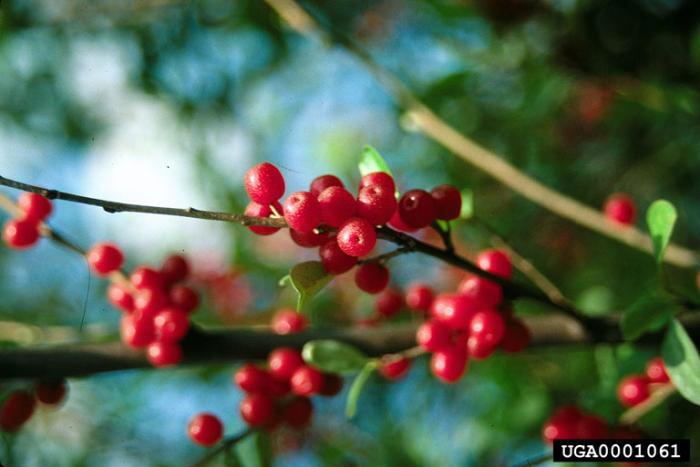
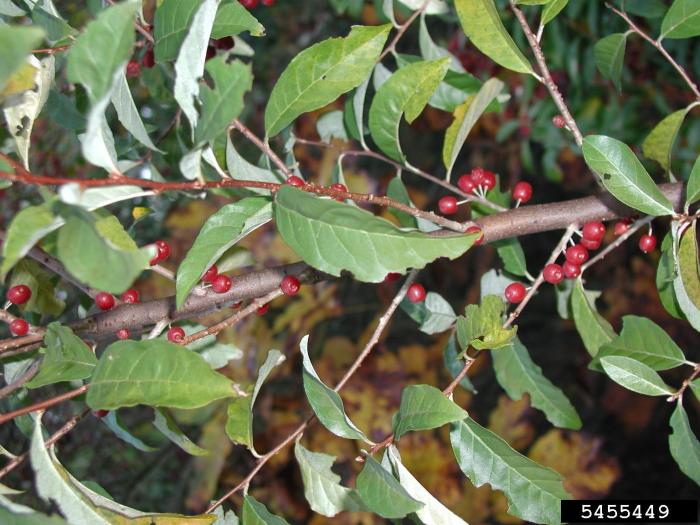

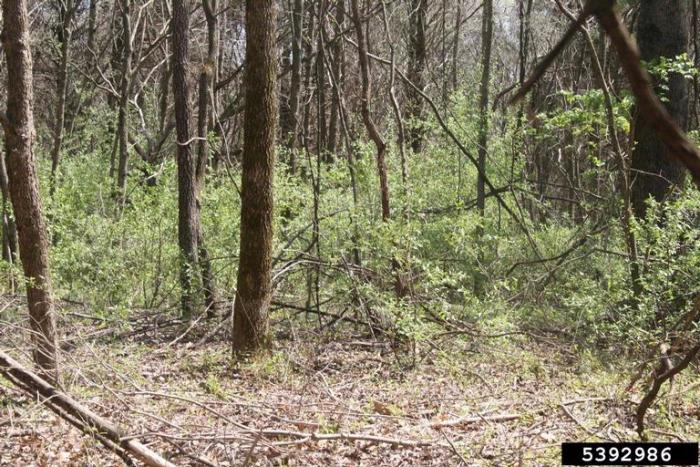

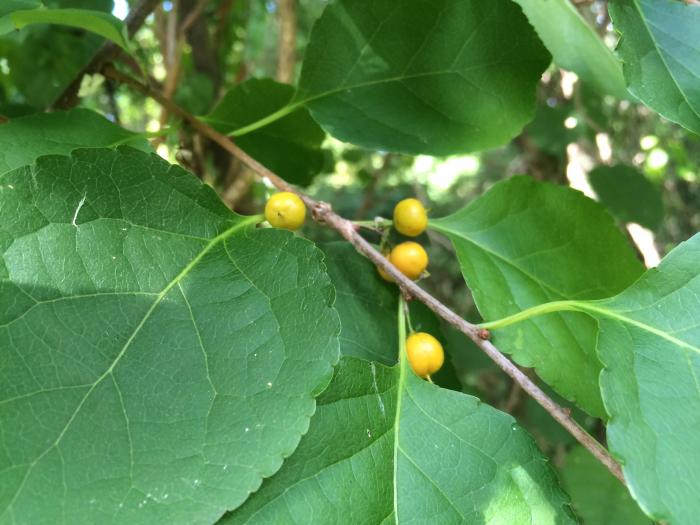
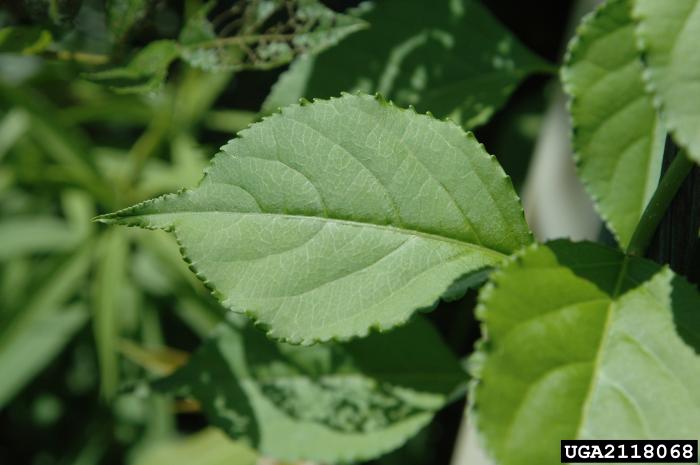
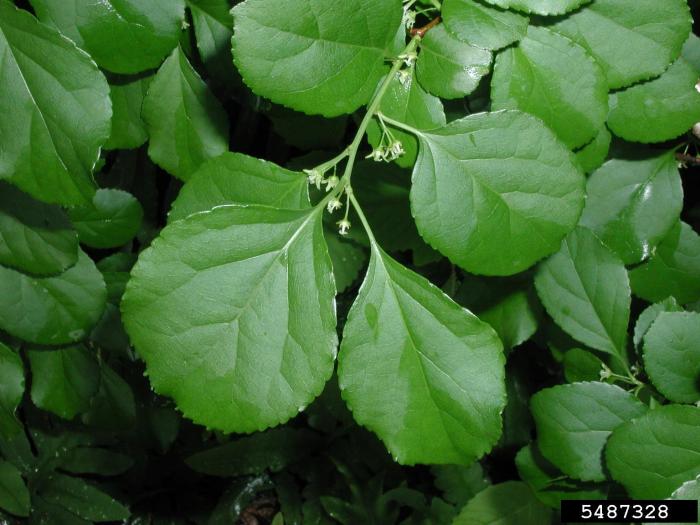

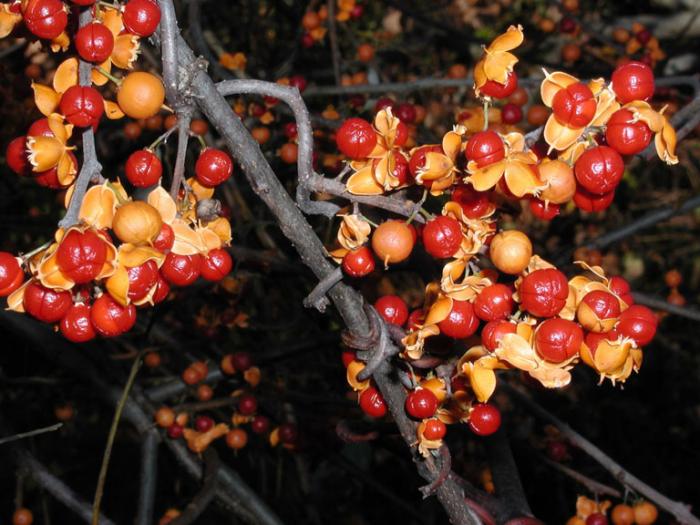
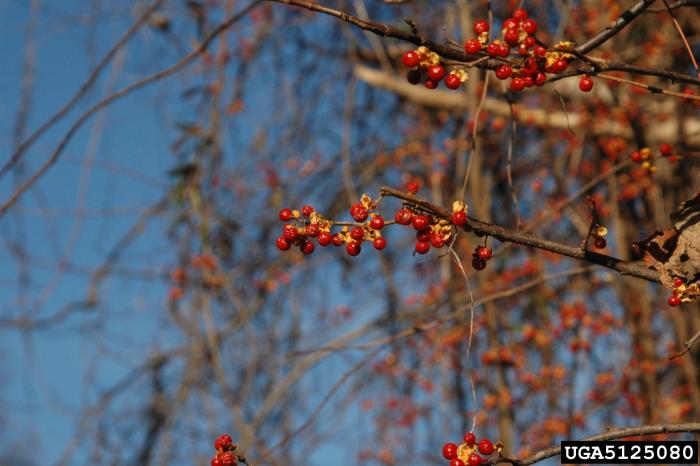
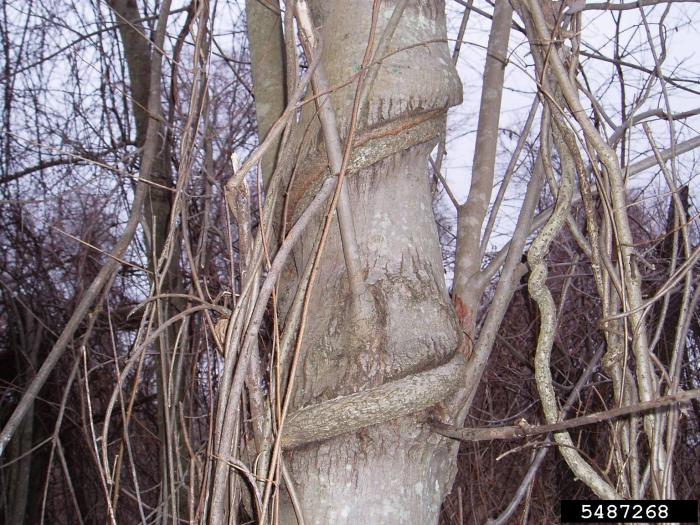
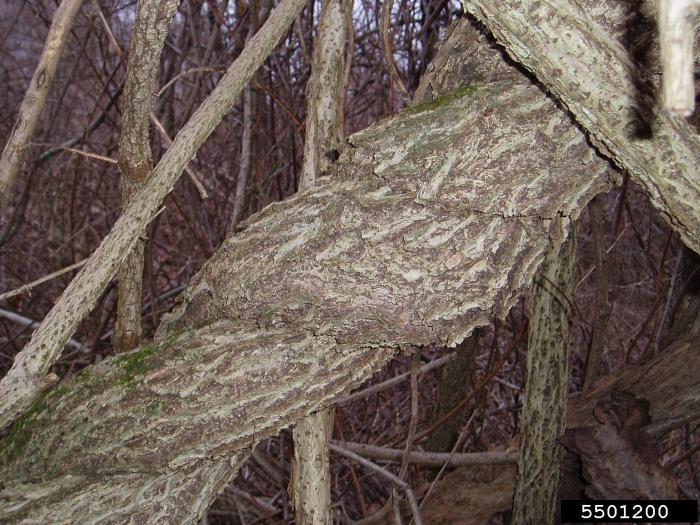
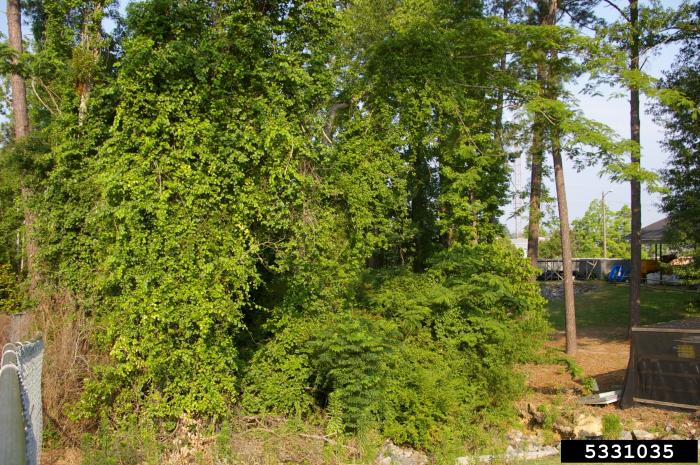
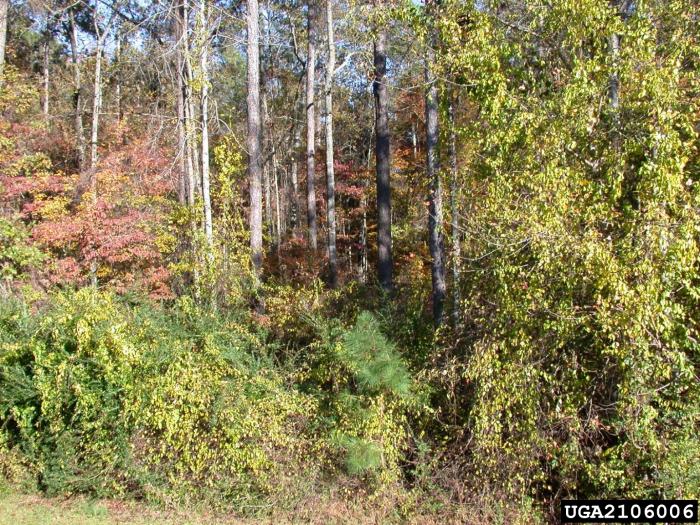
Season Highlights for Invasive Plant Management in Vermont
The growing season for 2016 saw many projects across the state tackling the forest, field, and wetland health issue of non-native invasive plants. Below are highlights of some of these amazing local efforts. Huge thanks to everyone who is working toward making our Vermont landscapes healthier and more resilient, and protecting them for generations to come.
Mapping for Healthy Forests Superstar: Tom Norton

The Mapping for Healthy Forests (M4HF) pilot project continues to build momentum, with our volunteers collecting over 2,200 observations of non-native invasive plants, across 120+ Vermont towns. Making huge waves in eastern VT, is Superstar Volunteer, Tom Norton. A retired engineer, Tom now spends his time as a musician, gardener, naturalist, and land steward. He is moved by the desire to see biodiversity across the 200 acres of forested land he stewards in Thetford and Hartford.
How Invasive Species (Slowly) Push Plants Toward Extinction
"A new paper suggests we need to rethink our models about endangered plant species.
Japanese knotweed. Purple loosestrife. Kudzu. Mesquite. Giant hogweed. Bitou bush. What do all of these plants have in common? Easy: they’re all among the most invasive plant species on the planet. Wherever they turn up, native species often get squeezed out and pushed toward extinction.