Forest Pests
'Spongy Moth' Adopted as New Common Name for Lymantria dispar
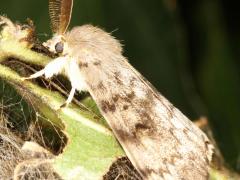
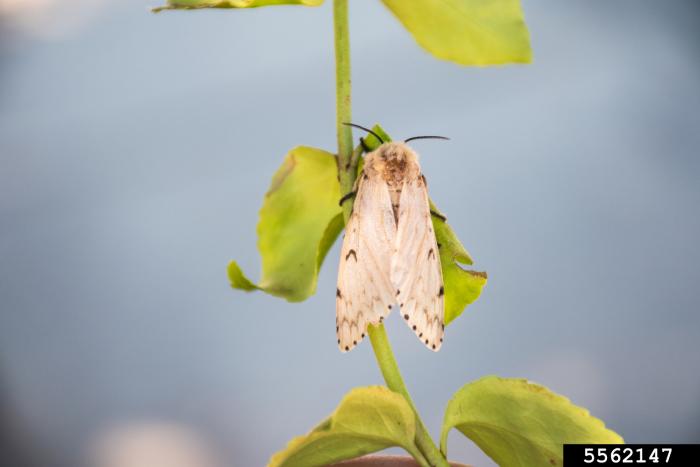
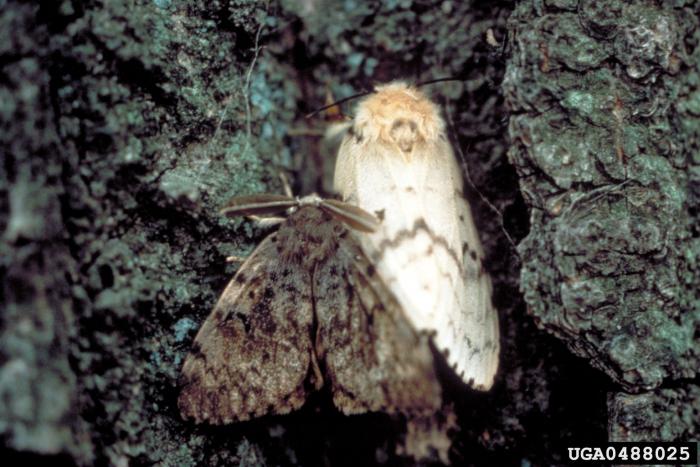
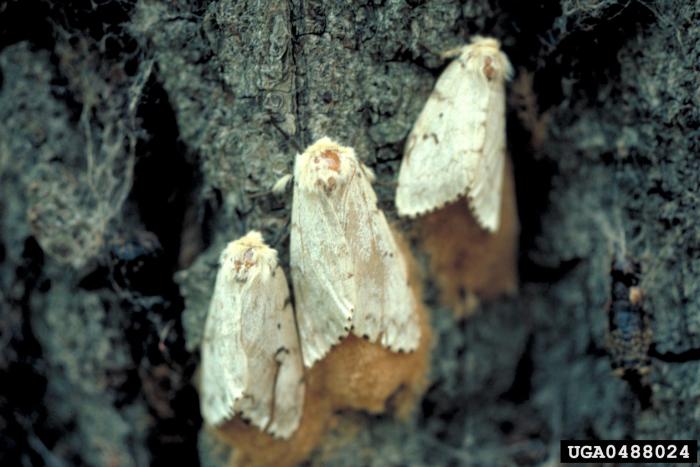
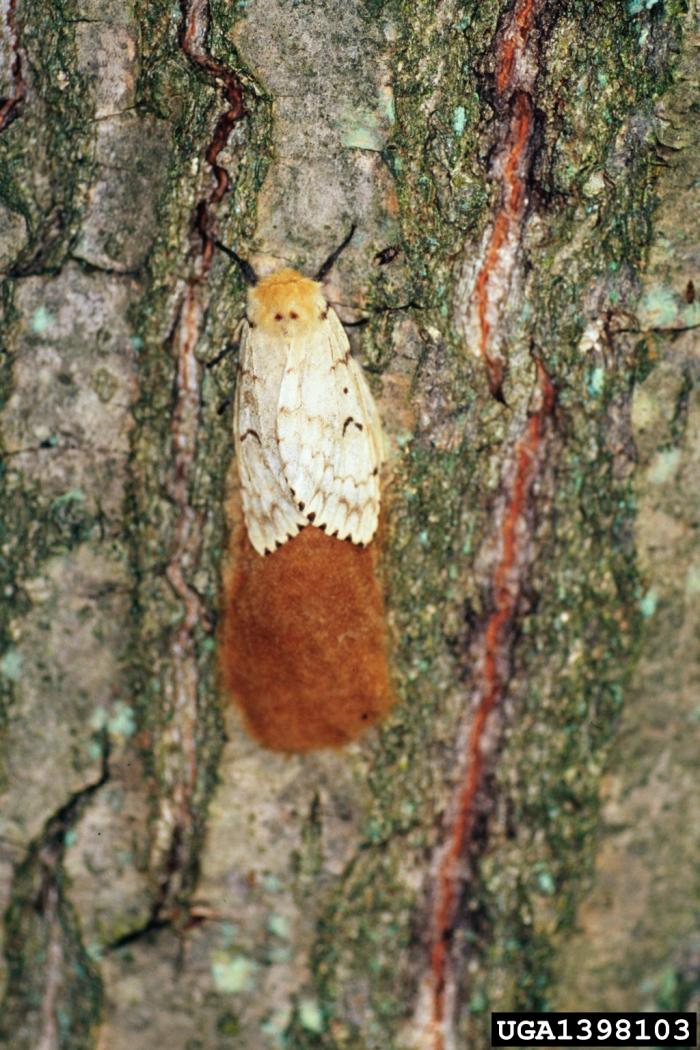
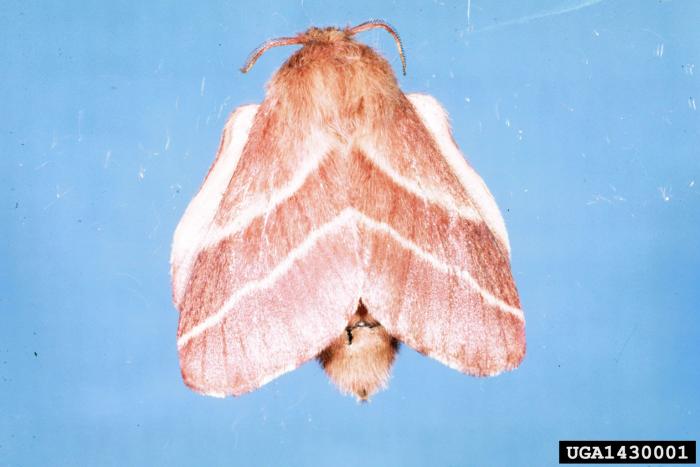
"Spongy moth" has been formally adopted as the new common name for the moth species Lymantria dispar by the Entomological Society of America.
Spongy Moths Are Making A Comeback in Vermont
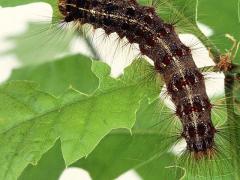
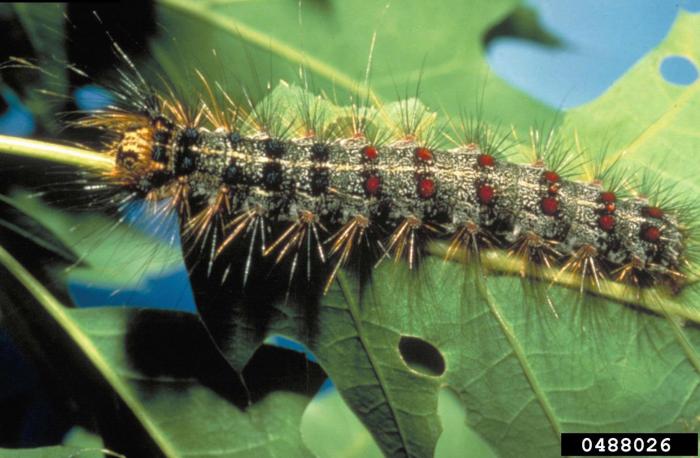
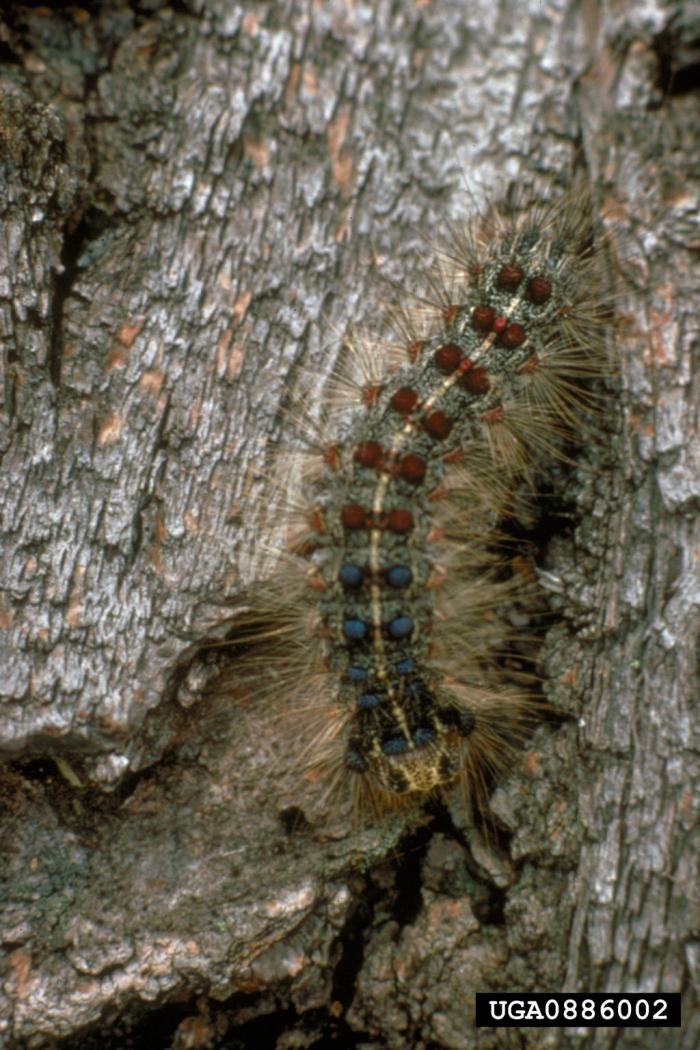
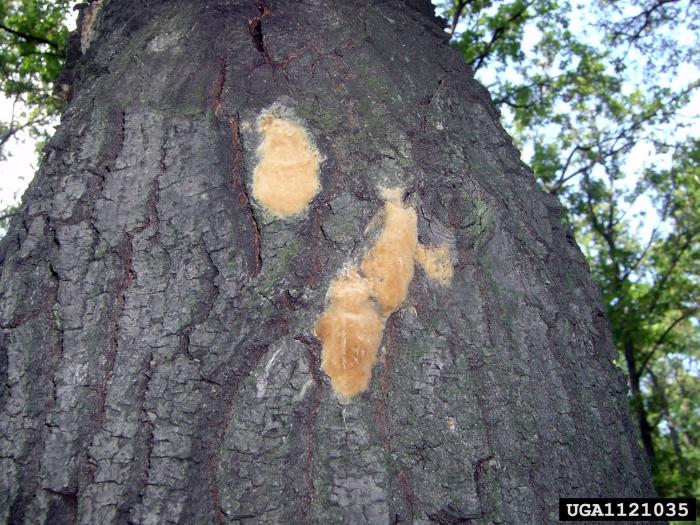
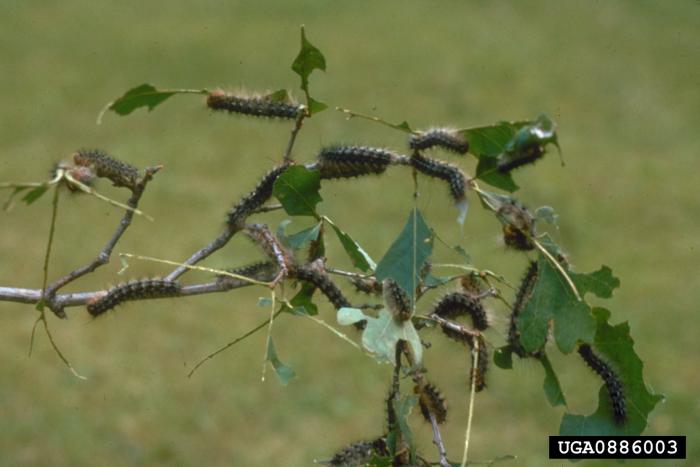
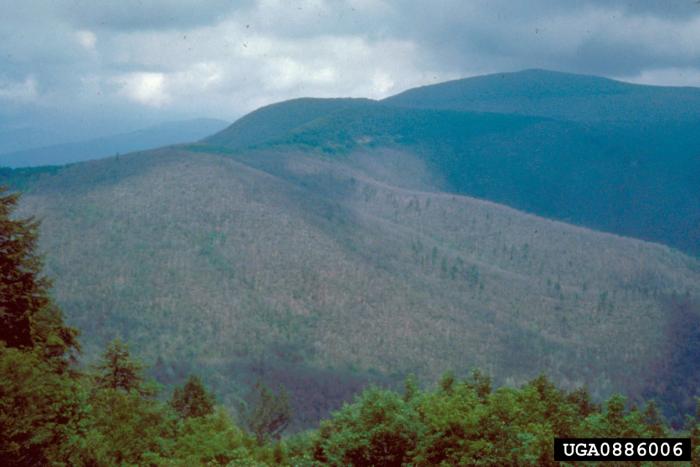
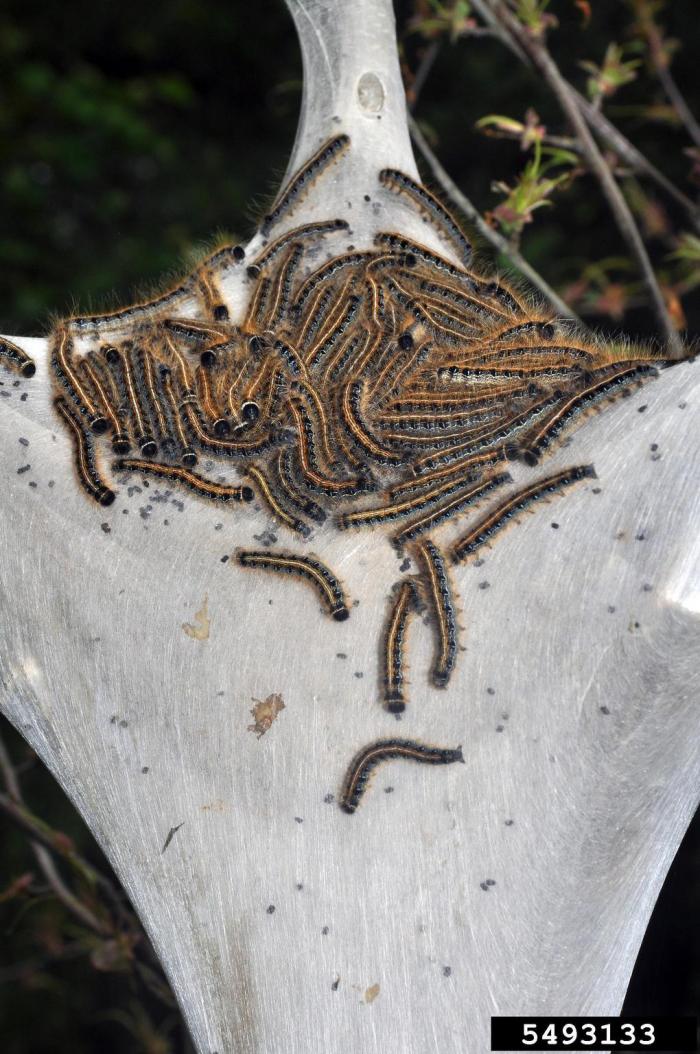
Many Vermonters around the state are encountering spongy moth (Lymantria dispar dispar or LDD) caterpillars causing defoliation of their trees. This invasive insect arrived in the United States over 100 years ago and has been expanding its range ever since. Spongy moth can be a significant defoliator (leaf eater) of trees and shrubs, and although they prefer oak trees, high populations will cause them to eat many types of leaves, including maple and pine. Spongy moth caterpillars can create a nuisance for homeowners, from the sights of caterpillars climbing the sides of residences and falling frass to the sounds of chewing on leaves.
Emerald Ash Borer Update
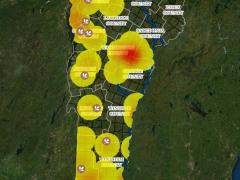
Several new detections of EAB in Vermont have expanded existing Infested Areas, including into two new counties. The new detections were found in the towns of Hartford (White River Junction), Brookfield, and Belvidere.

“Slow the Spread” Efforts Ongoing in Vermont Despite End to Federal Emerald Ash Borer Quarantine
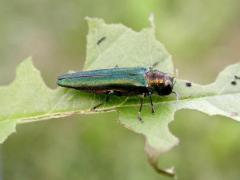
On January 14th, the U.S. Department of Agriculture’s (USDA) Animal Plant Health Inspection Service (APHIS) ended the Federal Emerald Ash Borer (EAB) quarantine to place more emphasis on management and biological controls to combat the pest. In Vermont, while we continue to find new areas of infestation, our forests support overwhelmingly healthy populations of ash to protect as long as possible. Bearing that in mind, we urge Vermonters to continue to follow the “Slow the Spread” recommendations.
FPR Digital Outreach Kit - On the Lookout! Coloring Pages
FPR Digital Outreach Kit - On the Lookout! Coloring Pages
Learn about what invasive species are, and color in a full page example of each one!
~~~~~~~~~~~~~~~~~~~~~~~~~~~~~~~~~~~~~~~~~~~~~~~~~~~~~~~~~~~~~~~~~~~~~~~~~~~~~~~~~~~~~~~~~~~~~~~~~~~~~~~~~~~~~~~~~~~~~~~
Booklet and coloring pages available here for downloading and printing.
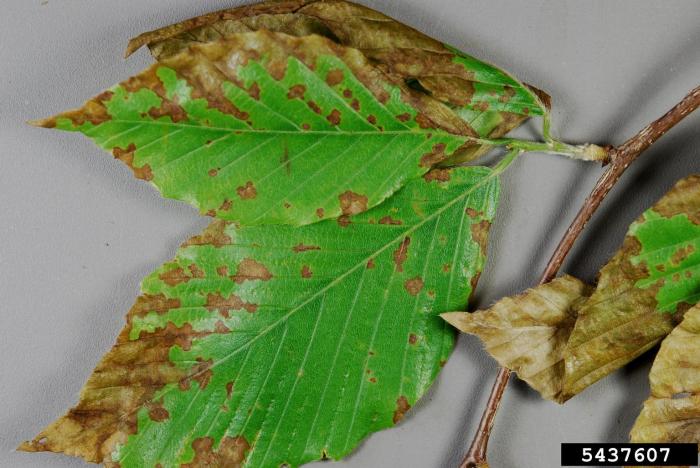
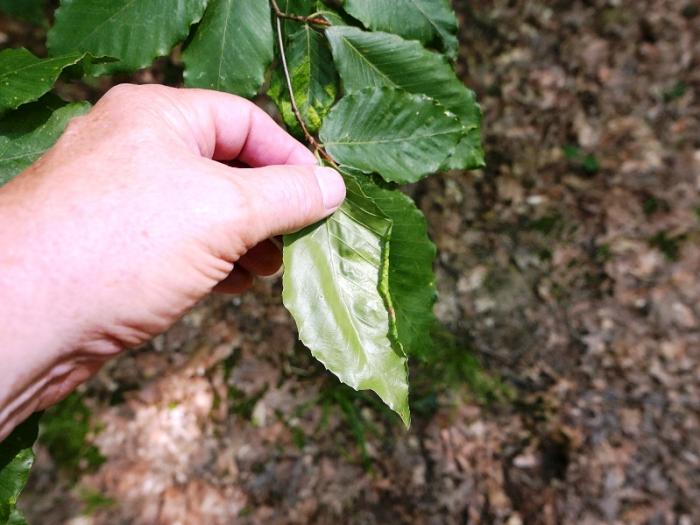
White Fringetrees Likely to Withstand Attacks by Emerald Ash Borer
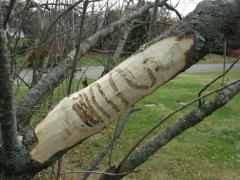
White fringetree was discovered to be a secondary host of emerald ash borers in North American in 2014, but researchers at Wright State University have found that white fringetrees in low-density ornamental landscapes were not a significant reservoir for emerald ash borer.