• Intro to Invasives
    • What are invasive species?
    • What are their impacts?
  • Get Involved
    • Manage
    • Outreach
    • Report
      • Reporting Upland Plants
      • Reporting a Tree Disease
      • Reporting an Aquatic Animal
      • Reporting an Aquatic Plant
      • Reporting an Invasive Insect
    • Slow the Spread
      • Clean, Drain, Dry
      • Don't Move Firewood
      • Arrive Clean Campaign
      • Slow the Spread of EAB
      • Vermont Plant Quarantine
    • Volunteer
  • News & Events
    • Events
    • News
    • E-News Sign-Up
  • About Us
    • Contact
  • Twitter
  • Facebook
  • Instagram

Vermont Invasives

Main navigation

  • Water
  • Land

Breadcrumb

  1. Home
  2. Backyard

Backyard

Elongate Hemlock Scale

Fiorinia externa Ferris

  • Read more about Elongate Hemlock Scale
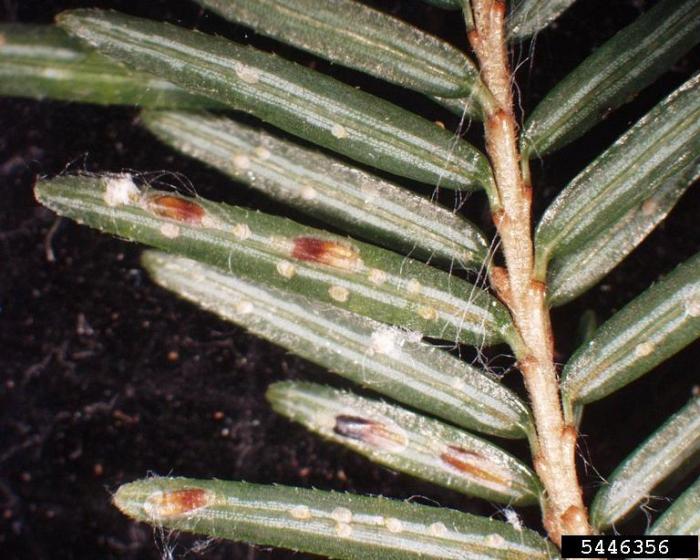
  • Elongate hemlock scale: yellow-brown scale coverings and light white wool on the underside of the needles.
  • Elongate hemlock scale: yellow-brown scale coverings.
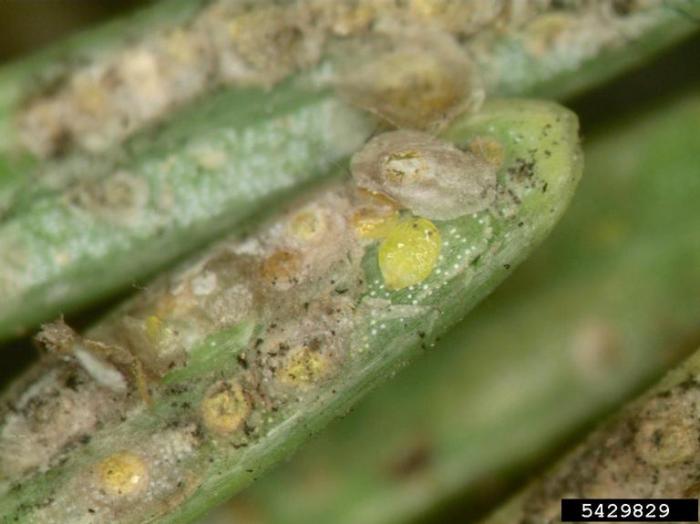
  • Elongate hemlock scale: adult stage of EHS.
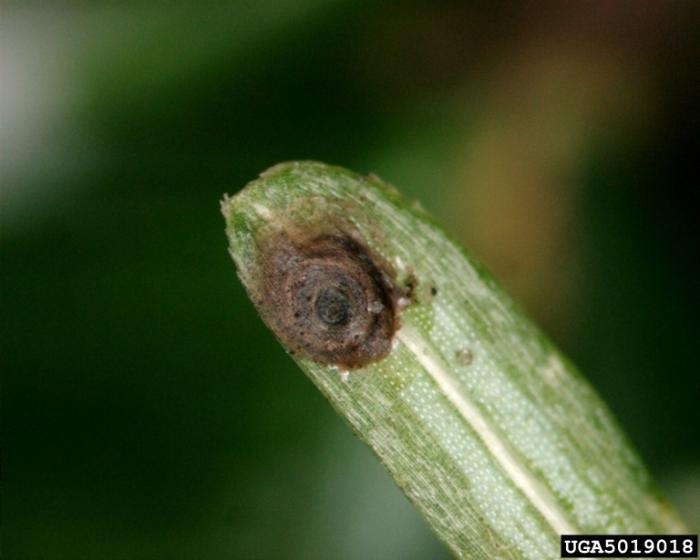
  • Look-alike: cryptomeria scale.
  • Look-alike: native hemlock scale.

Dutch Elm Disease

Ophiostoma novo-ulmi

  • Read more about Dutch Elm Disease
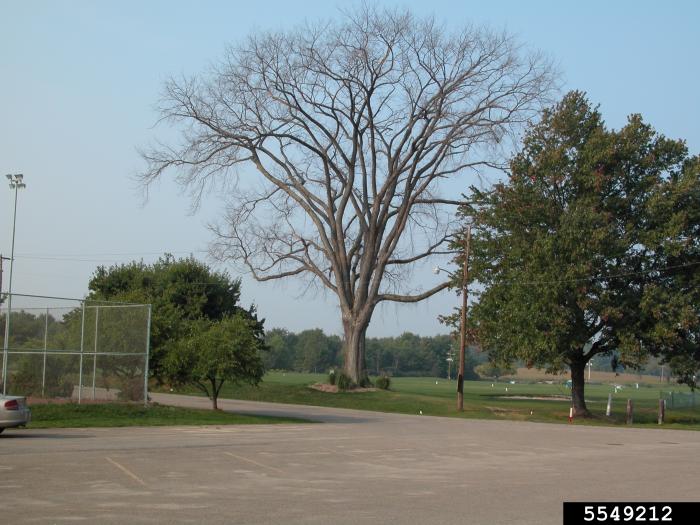
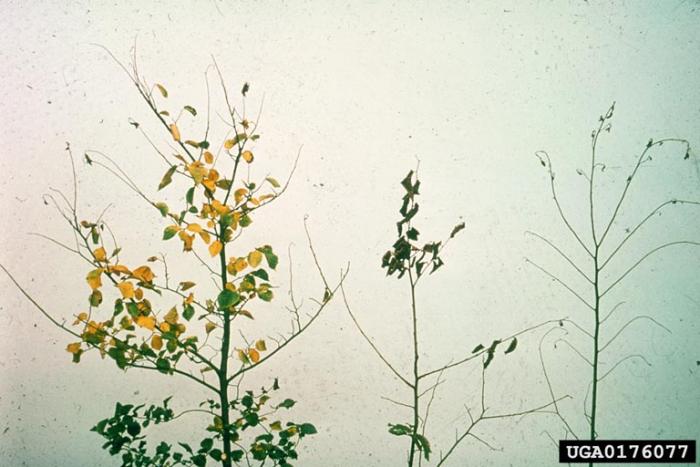
  • Dutch elm disease: dead elm.
  • Dutch elm disease: early wilt symptoms of dutch elm disease.
  • Dutch elm disease: spore-bearing bodies of Dutch elm disease.
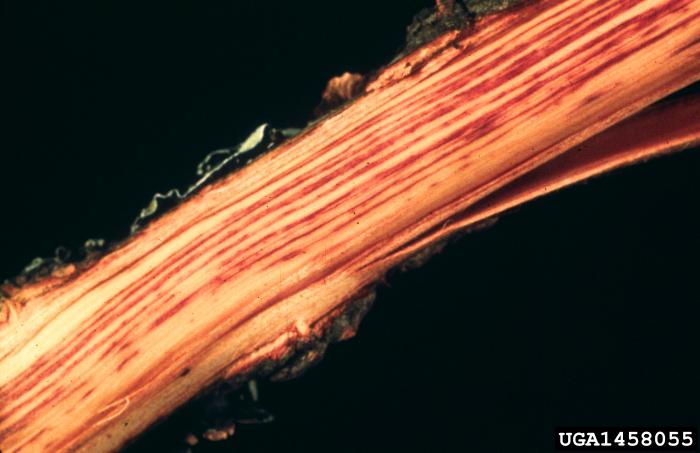
  • Dutch elm disease: streaking of vascular tissue due to Dutch elm disease.
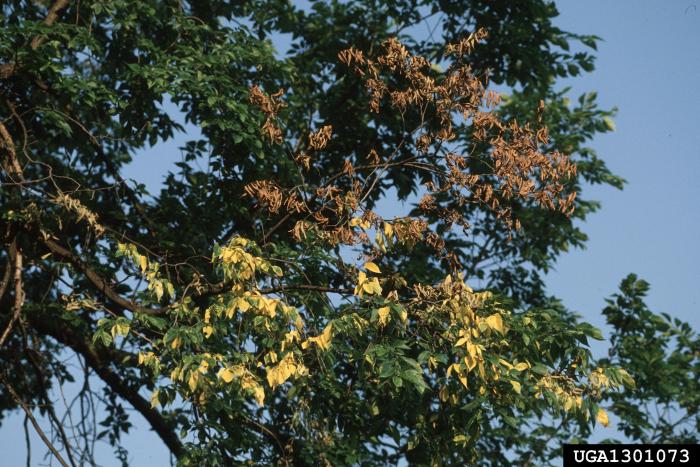
  • Dutch elm disease: yellowing and wilting of leaves (flagging).
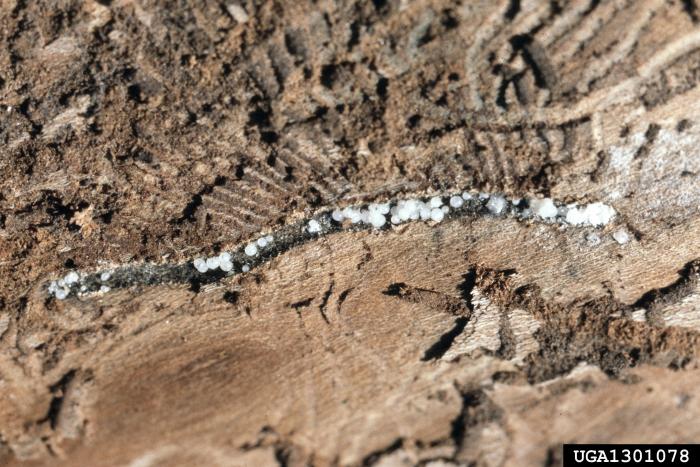
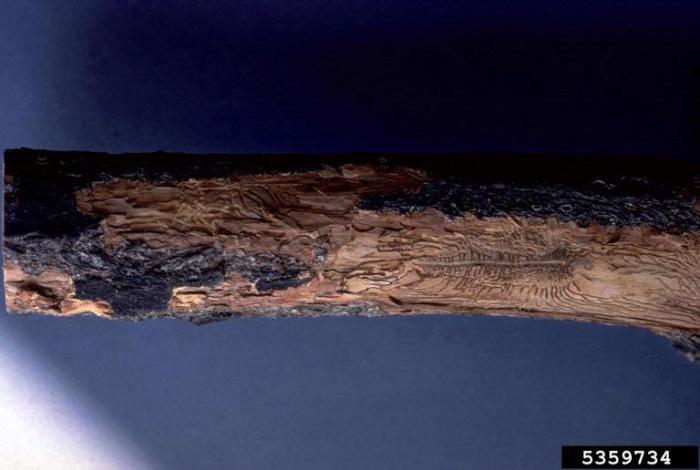
  • Dutch elm disease: bark beetle galleries under elm tree bark.
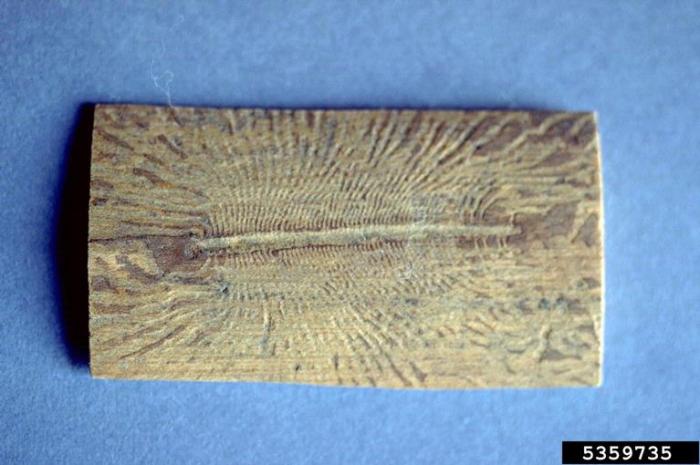
  • Dutch elm disease: European elm bark beetle galleries.
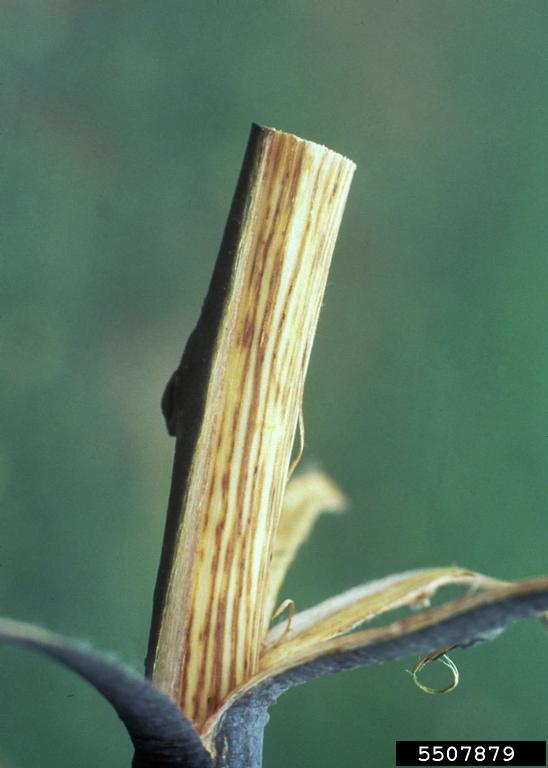
  • Dutch elm disease: American elm twig with streaking.

Chestnut Blight

Cryphonectria parasitica

  • Read more about Chestnut Blight
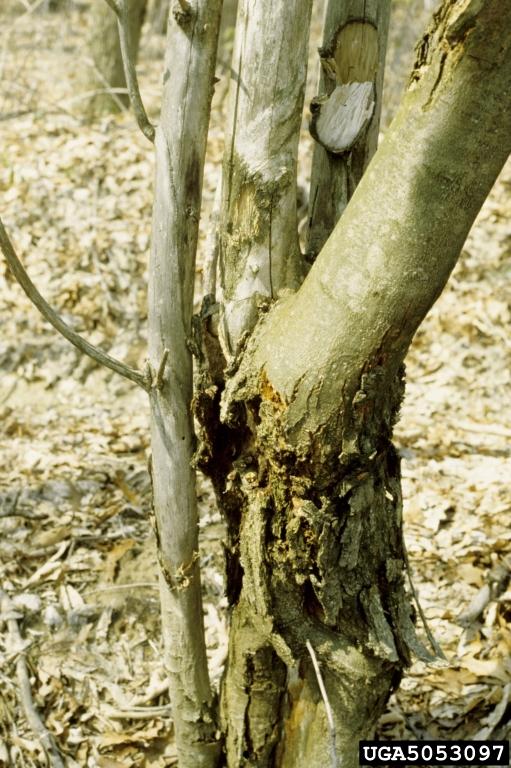
  • Chestnut blight: swollen canker near base of tree.
  • Chestnut blight: dieback above canker.
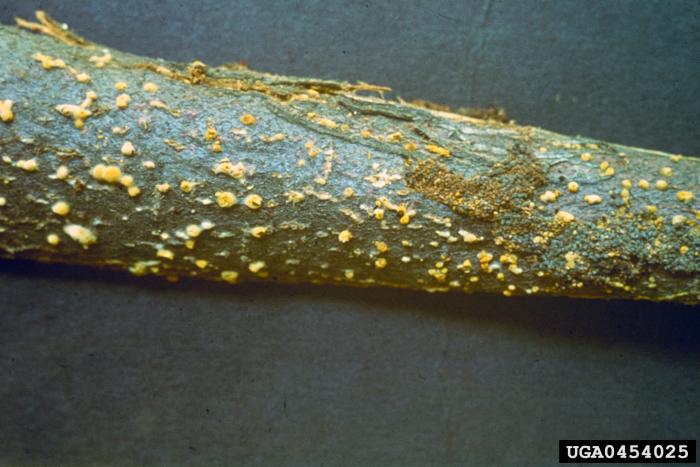
  • Chestnut blight: yellow-orange fungal fruiting bodies.
  • Chestnut blight: Long, orange-yellow tendrils of Cryphonectria parasitica pycnidiospores.
  • Chestnut blight: Yellow-orange, pin head sized fungal fruiting bodies (pycnidia) on the bark and cankers.

Butternut Canker

Sirococcus clavigignenti-juglandacearum

  • Read more about Butternut Canker
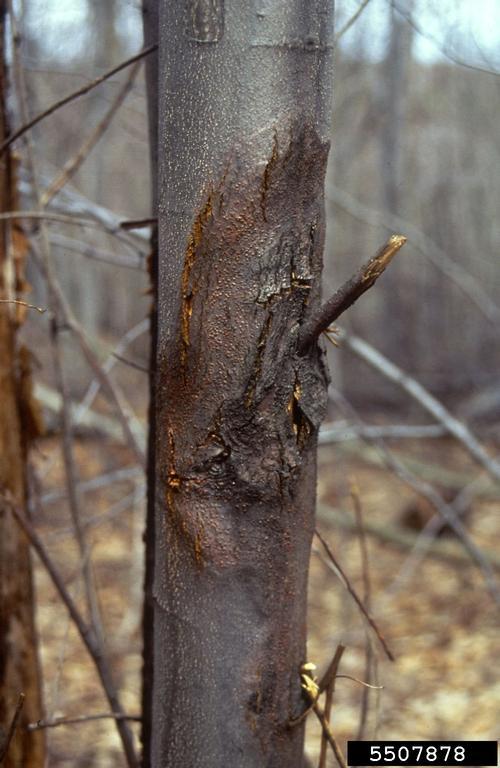
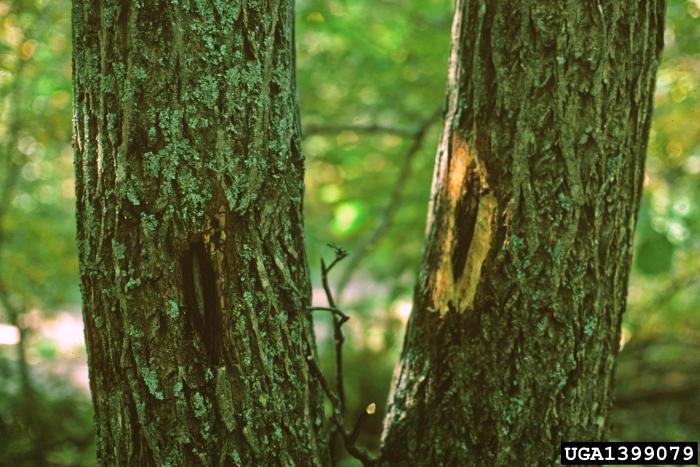
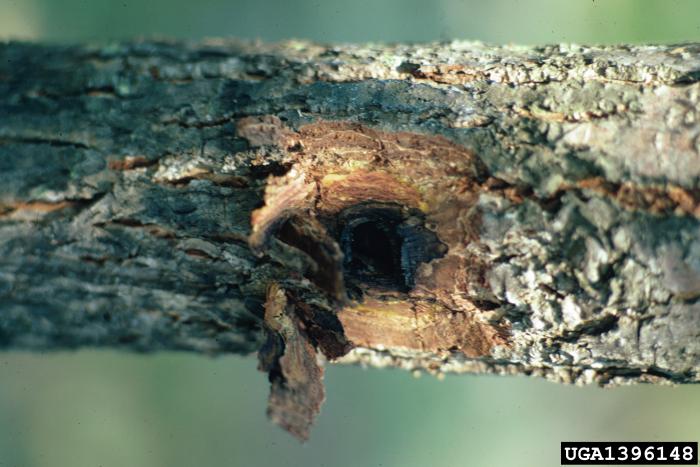
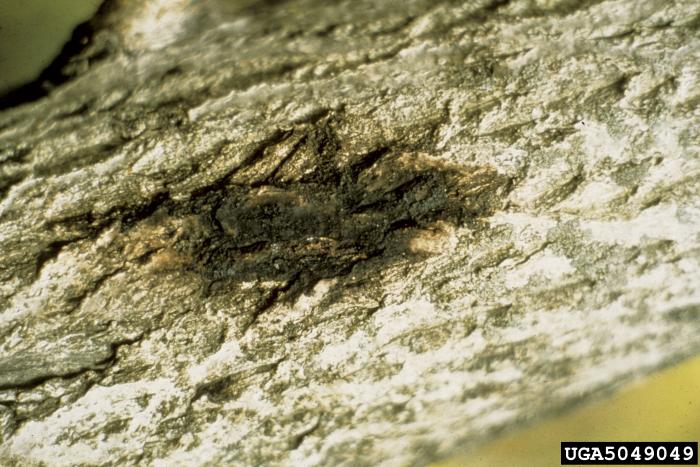
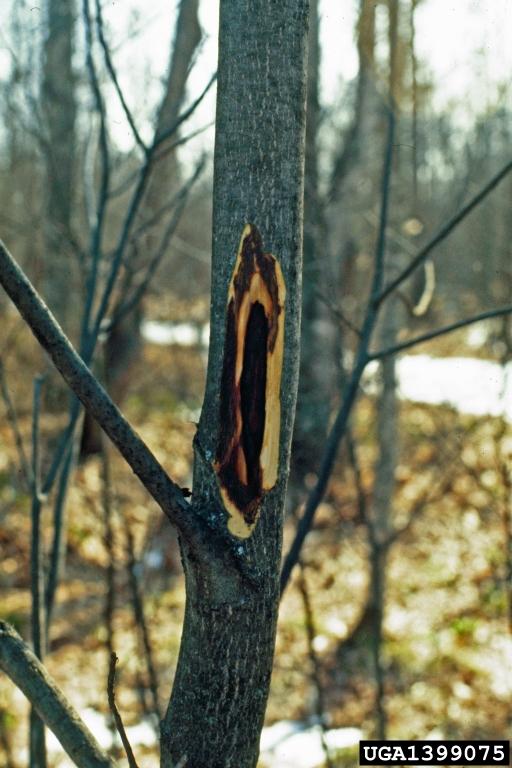
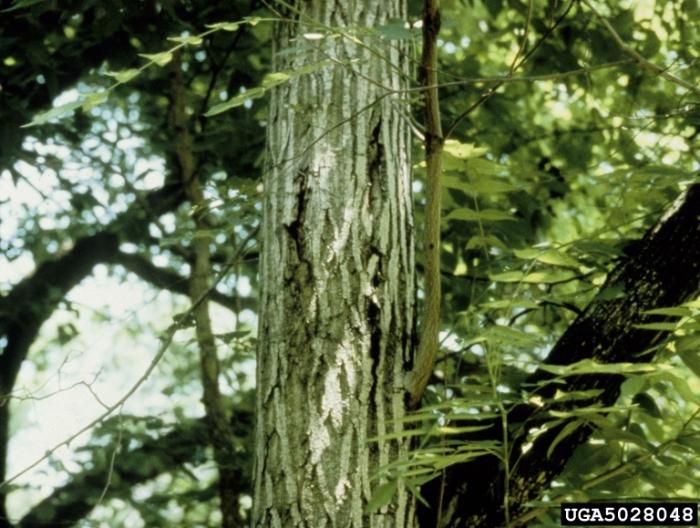
  • Butternut canker: spores of the fungus enter the tree and create cankers that are elongated, sunken, often with an inky black center and whitish margin.
  • Butternut canker: spores of the fungus enter the tree and create cankers that are elongated, sunken, often with an inky black center and whitish margin.
  • Butternut canker: spores of the fungus enter the tree and create cankers that are elongated, sunken, often with an inky black center and whitish margin.
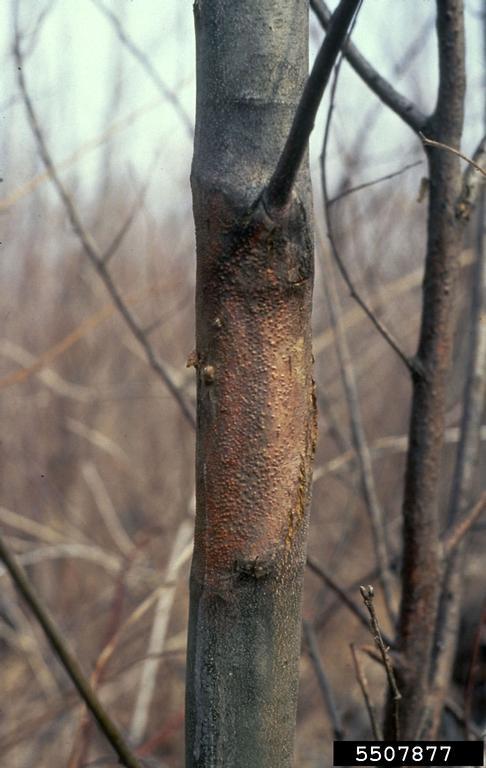
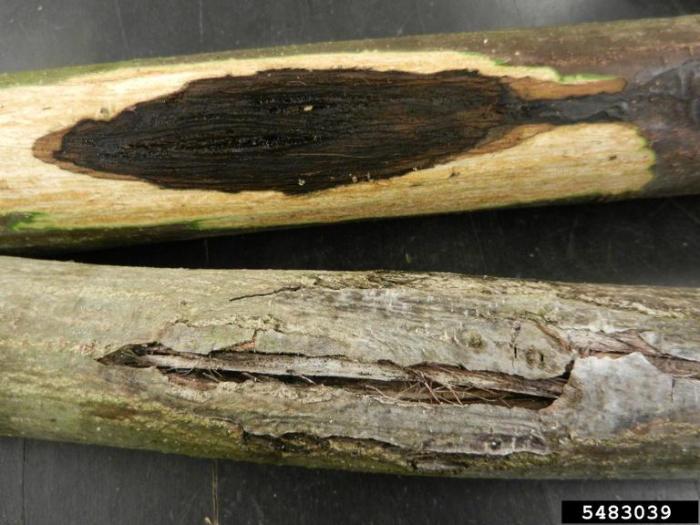
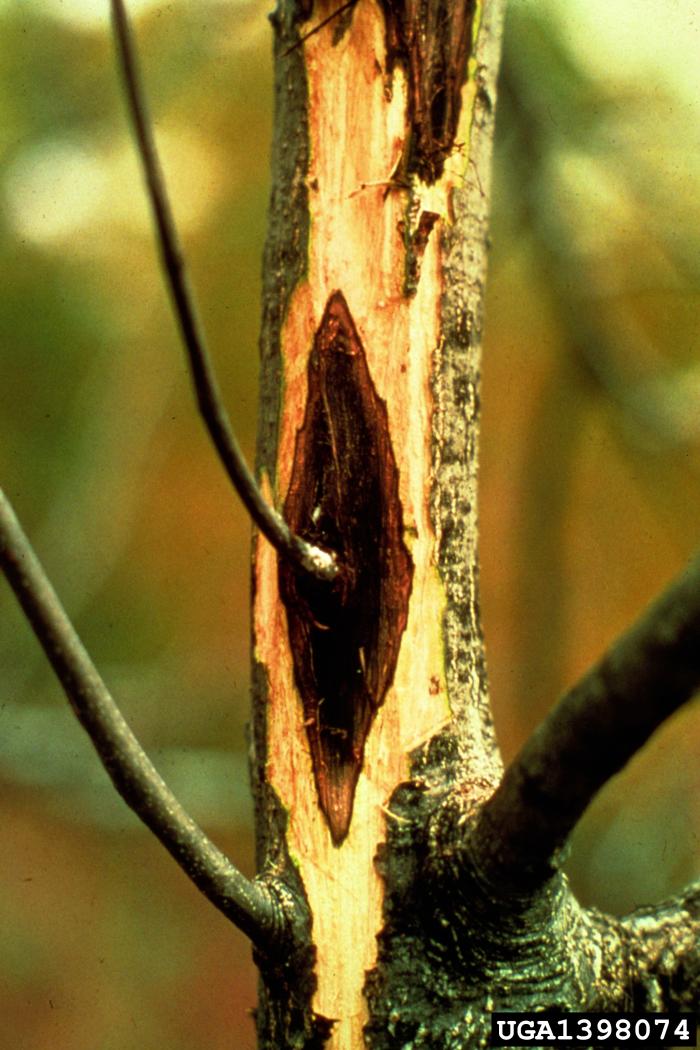
  • Butternut canker: stained wood and scarring of outer bark.
  • Butternut canker: outer bark becomes loose, revealing oval shapes of stained wood.
  • Butternut canker: cankers often ooze sap from beneath the bark.
  • Butternut canker: stained wood beneath bark.

Balsam Woolly Adelgid

Adelges piceae

  • Read more about Balsam Woolly Adelgid
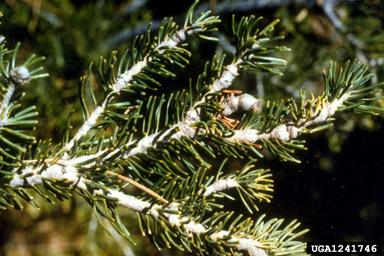
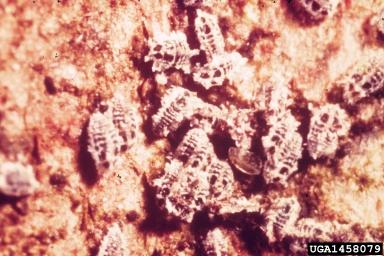
  • Balsam woolly adelgid: protective woolly coating of wax.
  • Balsam woolly adelgid.
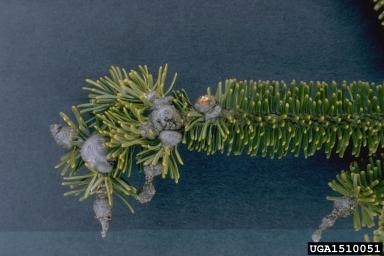
  • Balsam woolly adelgid: swelling around buds and branch nodes.
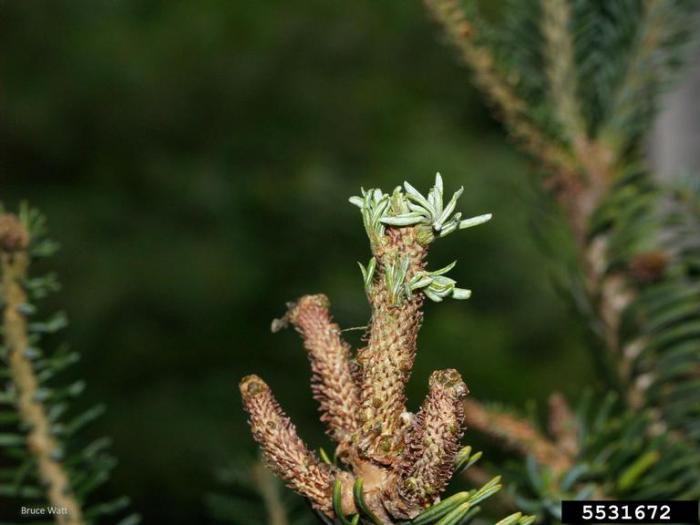
  • Balsam woolly adelgid: stunted terminal growth.
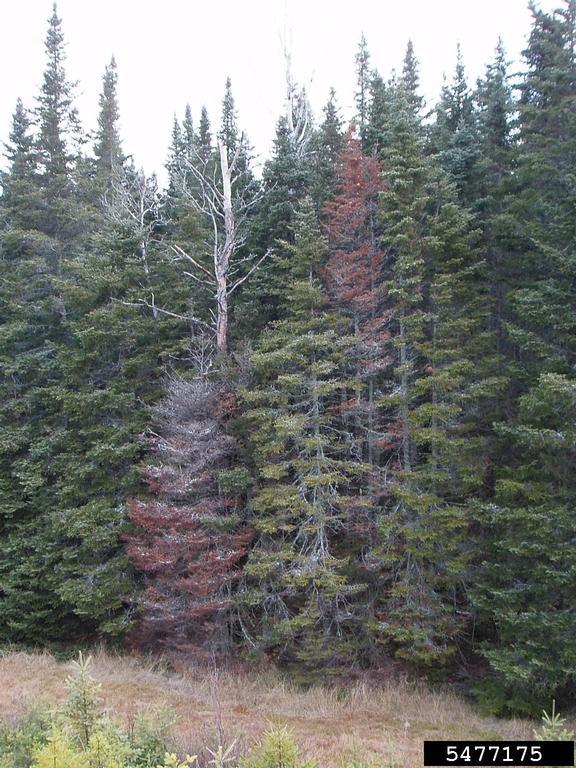
  • Balsam woolly adelgid: foliage turns yellow to red to brown.
  • Balsam woolly adelgid: fiddle-shape to the tree crown.

Ash Yellows

Candidatus Phytoplasma fraxini

  • Read more about Ash Yellows
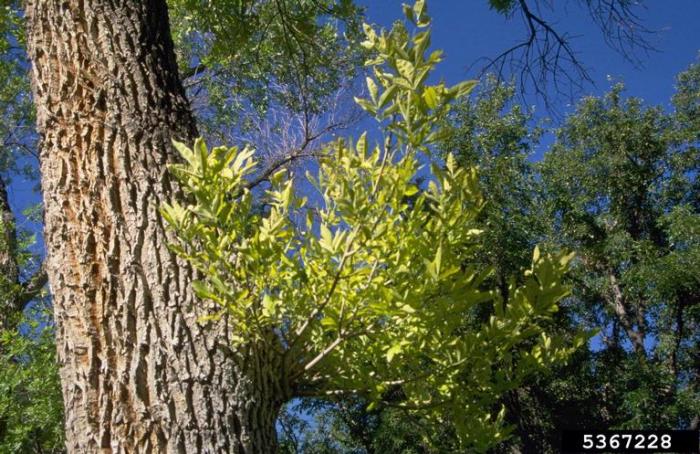
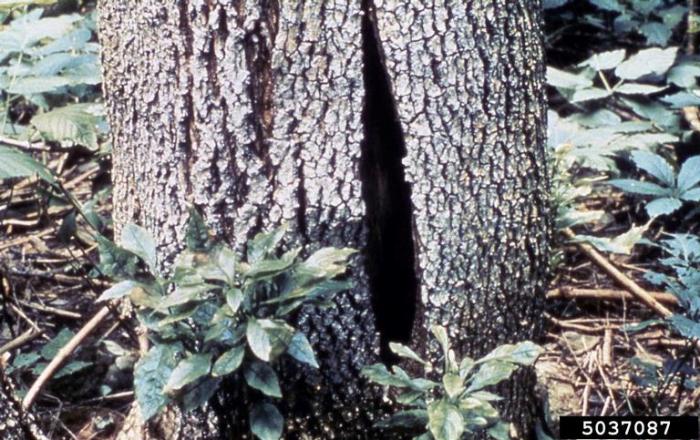
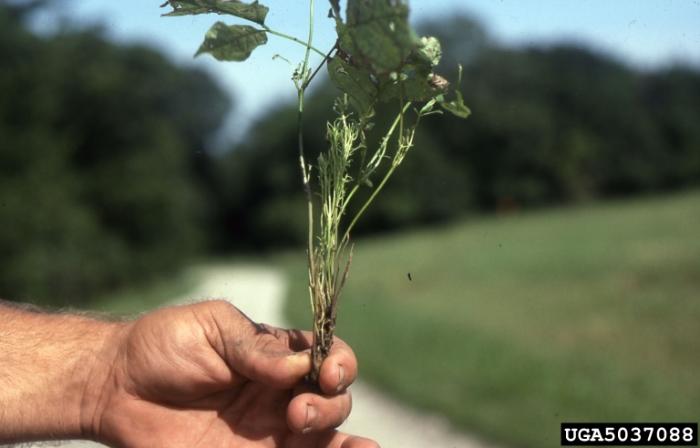
  • Ash yellows: witches’ brooms, clusters of upright spindly shoots of leaves on lower trunk.
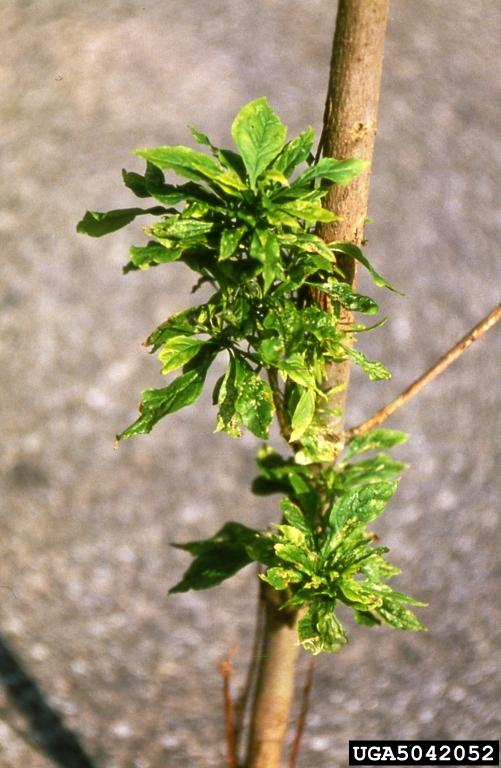
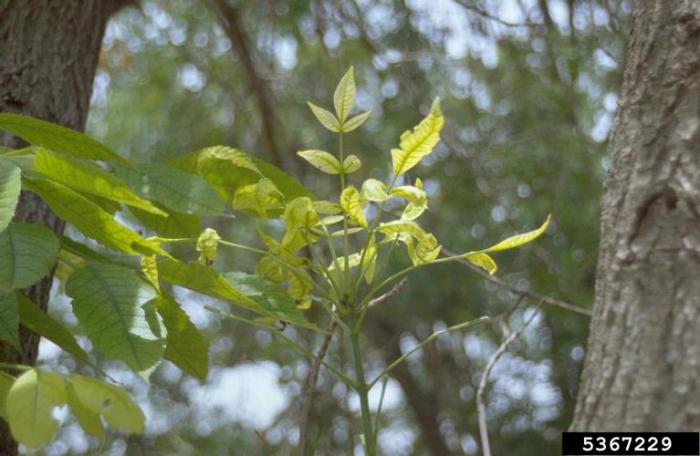
  • Ash yellows: causes foliage to tuft at the tips.
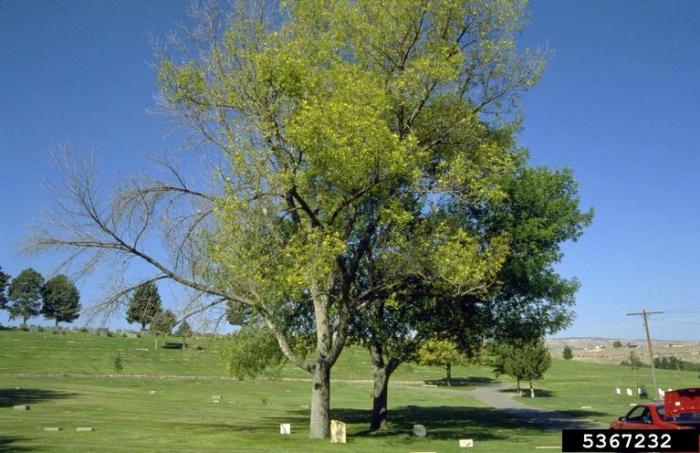
  • Ash yellows: ash tree dieback.
  • Ash yellows: bark crack and witches brooms.
  • Ash yellows: loss of dominant apical growth pattern.
  • Ash yellows: upturned leaf margins.
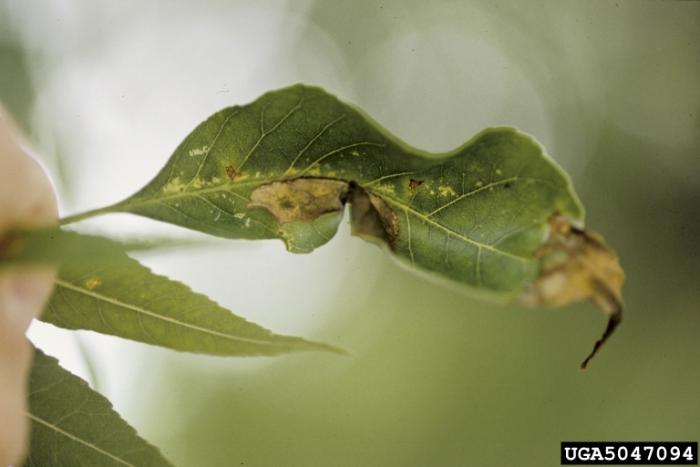
  • Look-alike: ash anthracnose.

Hemlock Woolly Adelgid

Adelges tsugae

  • Read more about Hemlock Woolly Adelgid
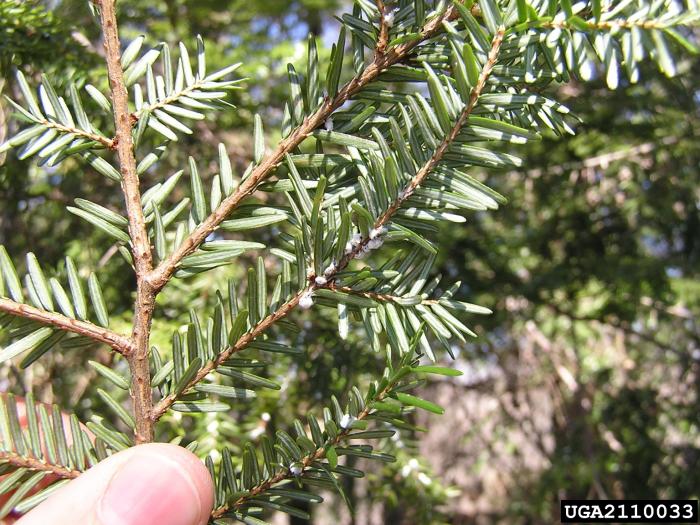
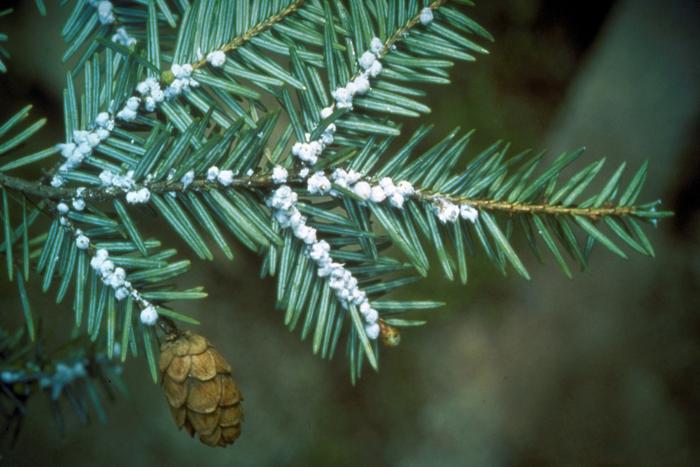
  • Hemlock woolly adelgid: white, cottony balls at base of hemlock needles.
  • Hemlock woolly adelgid: white, cottony balls at base of hemlock needles.
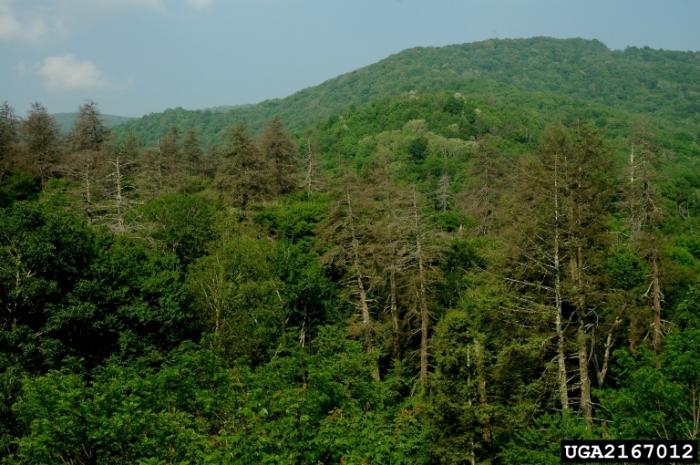
  • Hemlock woolly adelgid: needles yellow and fall out, leading to crown thinning and tree mortality.
  • Look-alike: spider egg sacs.
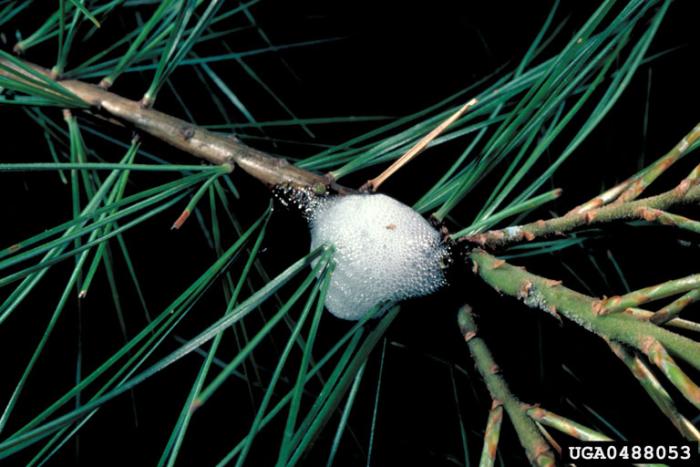
  • Look-alike: spittlebug (on a pine tree).
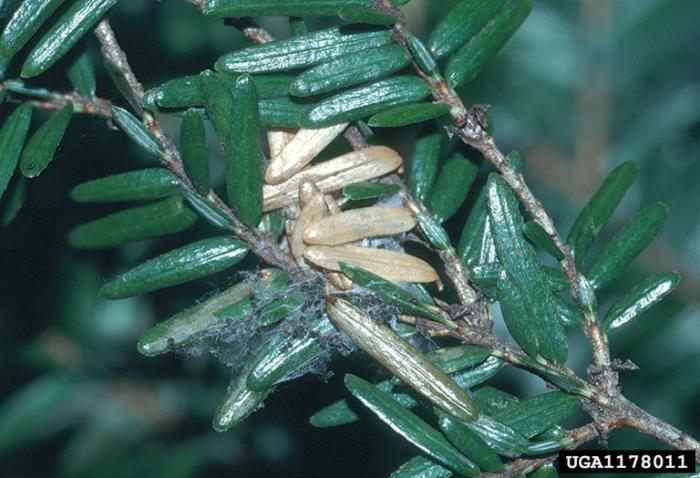
  • Look-alike: hemlock needleminer.

Forest Pest First Detector Training

  • Read more about Forest Pest First Detector Training
Friday, September 30, 2016 - 5:30am
  • Volunteer Training
  • Workshop
Enjoy spending time outdoors? Concerned about the health of Vermont’s forests? Then we need YOUR help! Come volunteer as a First Detector!
Beech Bark Disease

Cryptococcus fagisuga and Neonectria spp.

  • Read more about Beech Bark Disease
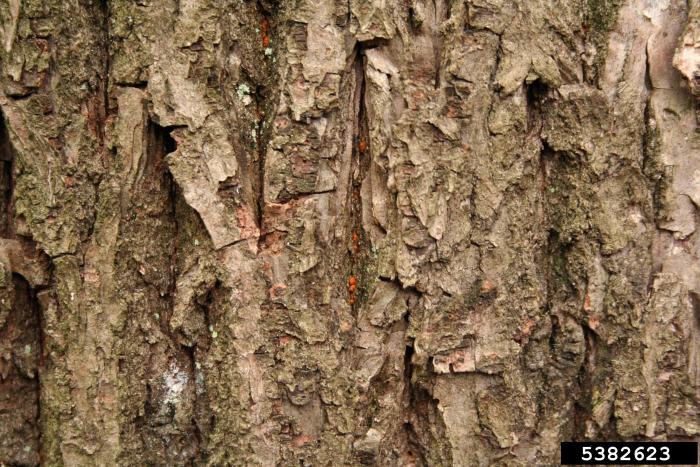
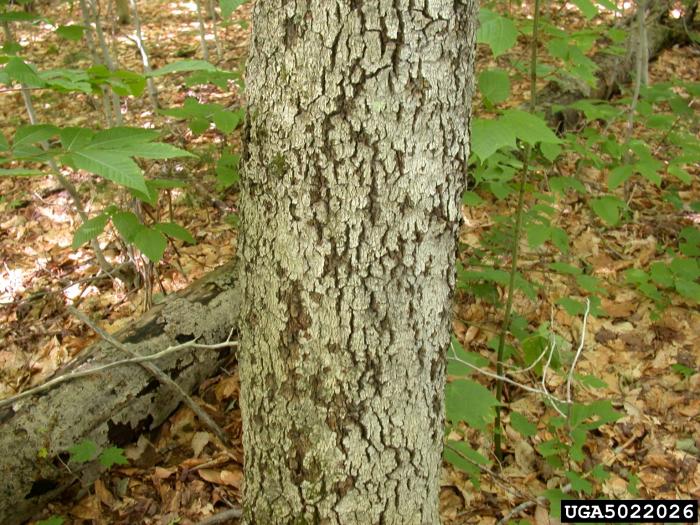
  • Beech bark disease: fissures in the bark.
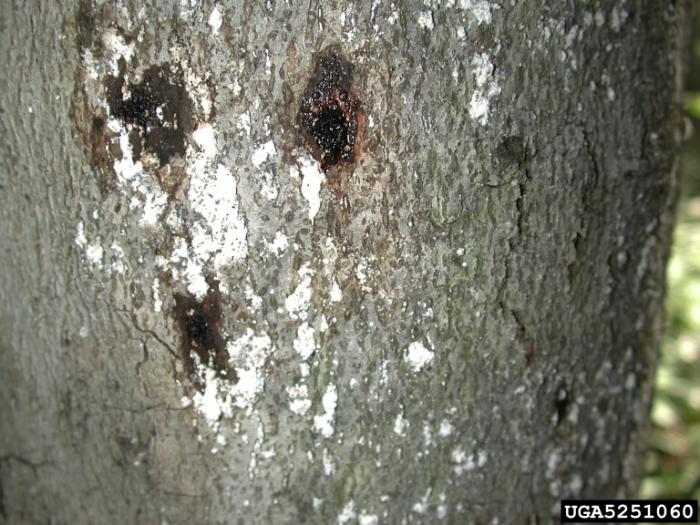
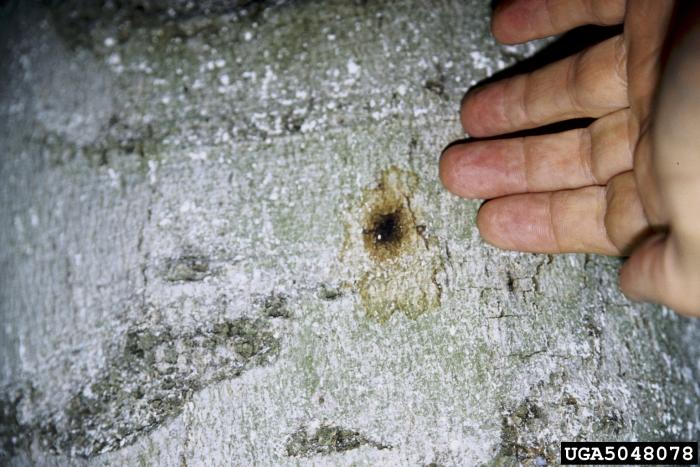
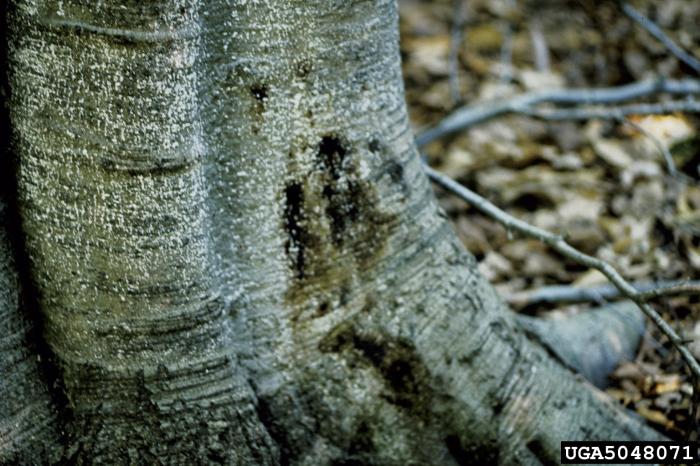
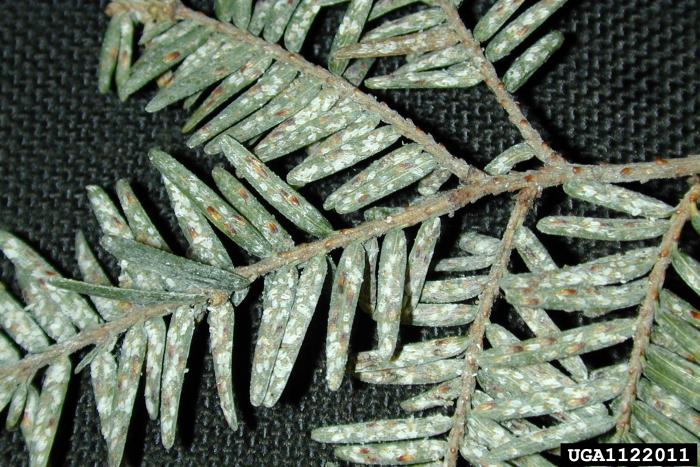
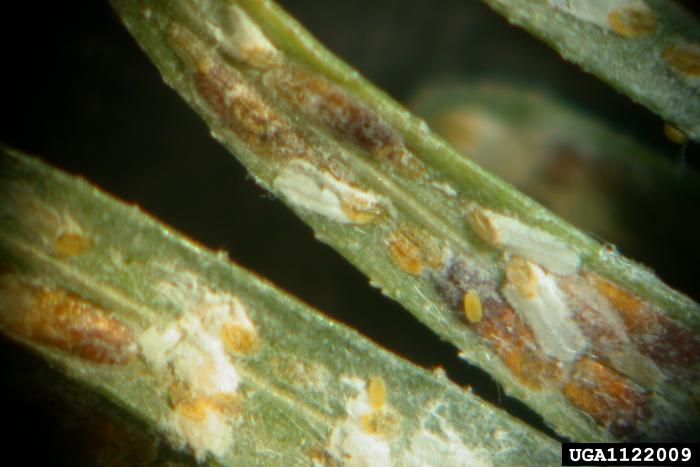
  • Beech bark disease: white, wooly wax from beech scale and tarry spots.
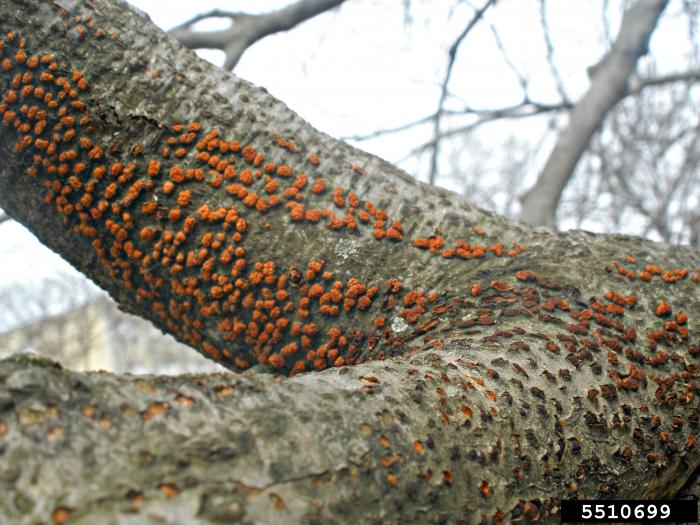
  • Beech bark disease: neonectria canker fruiting bodies.
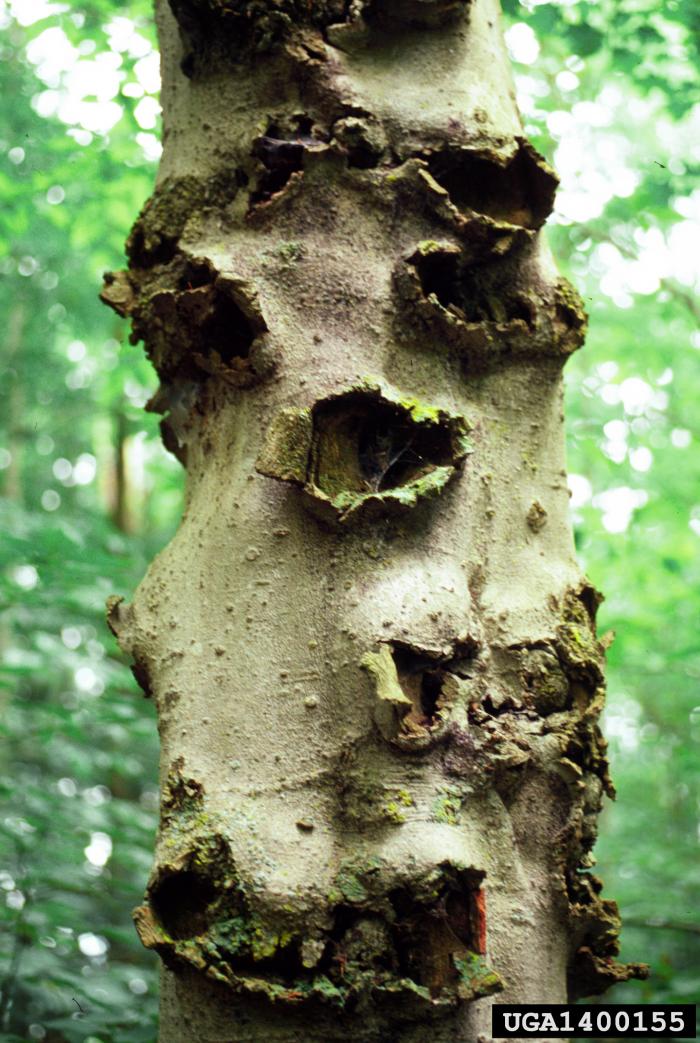
  • Beech bark disease: cankered stem of beech tree following scale attack and infection.
  • Beech bark disease: fungal infection is sometimes seen as a slimy flux or “tarry spot” that begins to ooze from dead spots on the bark.
  • Beech bark disease: fungal infection is sometimes seen as a slimy flux or “tarry spot” that begins to ooze from dead spots on the bark.
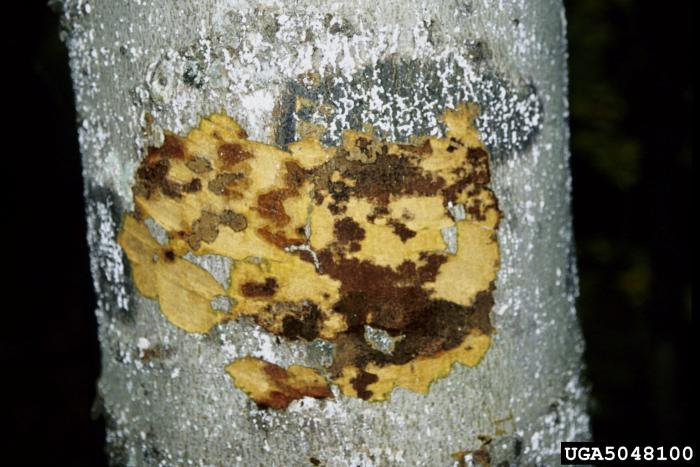
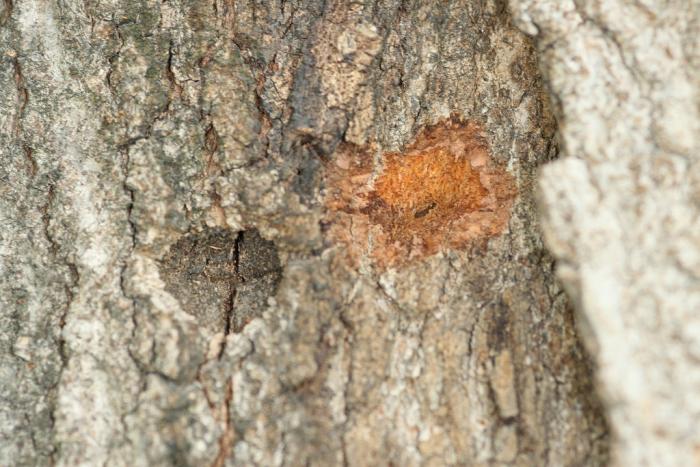
  • Beech bark disease: fungal infection is sometimes seen as a slimy flux or “tarry spot” that begins to ooze from dead spots on the bark. If the bark is cut away, the inner layer will appear orange in color.
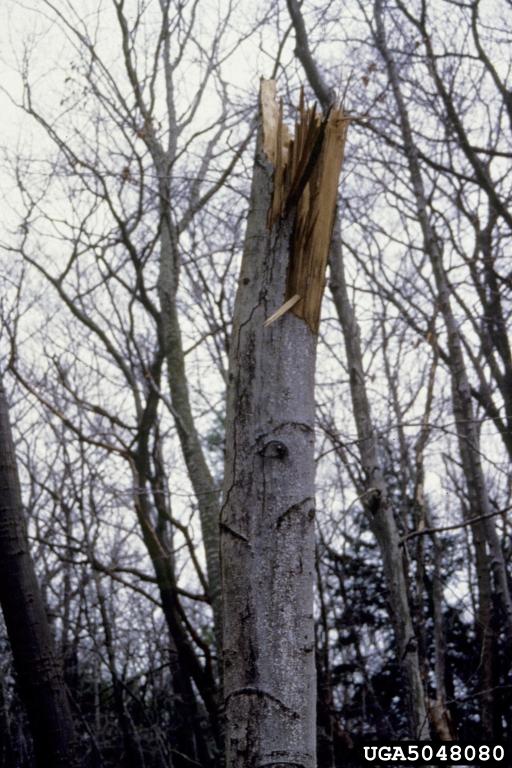
  • Beech bark disease: infected trees are extremely vulnerable to other environmental factors including drought, diseases, and insects. Many infected trees succumb to “beech snap”, where compromised trees are snapped by high winds.

Asian Longhorned Beetle

Anoplophora glabripennis

  • Read more about Asian Longhorned Beetle
  • Asian longhorned beetle: adult beetle with frass.
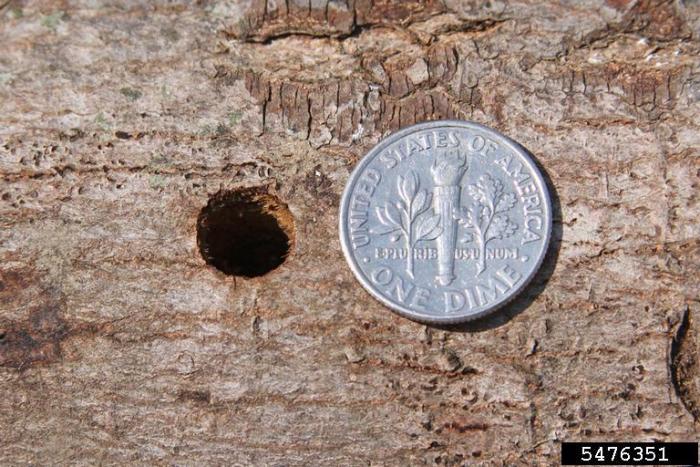
  • Asian longhorned beetle: perfectly round, dime-sized exit holes - test with a pencil to see that they go deeper into the tree than a tap hole.
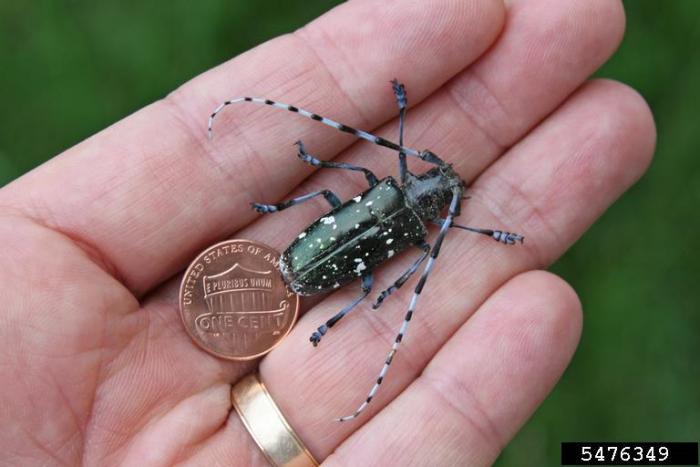
  • Asian longhorned beetle: adults have long, black and white banded antennae.
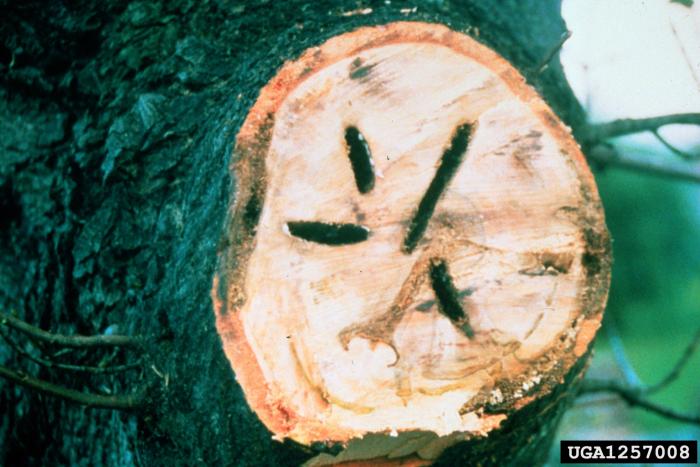
  • Asian longhorned beetle: tunnels created by ALB larvae.
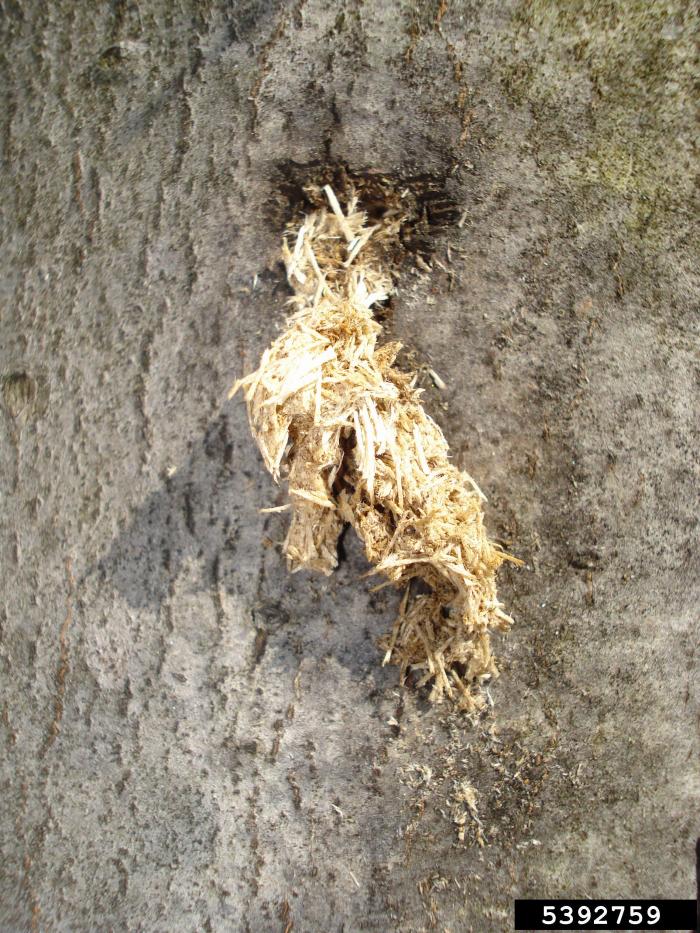
  • Asian longhorned beetle: frass.
  • Asian longhorned beetle: oviposition site (where female deposits egg).
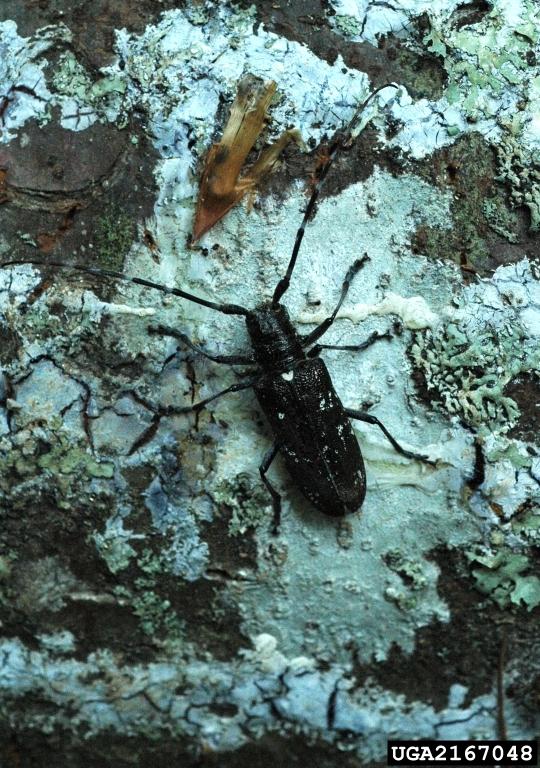
  • Look-alike: white-spotted sawyer, has a distinctive white spot at the top of where its wing covers ("elytra") meet.

Pagination

  • Previous page ‹‹
  • Page 16
  • Next page ››
Subscribe to Backyard

Helpful Information

  • Contact
  • Slow the Spread
  • Manage
  • Events

Main navigation

  • Water
  • Land

Report it!
  • Vermont Department of Forests, Parks and Recreation
  • Vermont Extension

This website was supported by an Innovations and Collaborations Grant from the Vermont Community Foundation.

Site by Tamarack Media Cooperative. Cover image by Brian Leedy.