Fields

Prospect Park Hires Goats As Adorable Fix for Hurricane Damage

Chickens are so last year — Brooklyn is all about the goats now. In fact, the Prospect Park Alliance just coughed up $15,000 to bring a heard of hungry goats to Prospect Park, where they will eat their way across the aptly named Vale of Cashmere.

The goats are part of a scheme to help undo some of the damage done by Hurricane Sandy and other storms that have battered the park in...
Tools of the Trade

Tackling Invasive Plant Control in Vermont

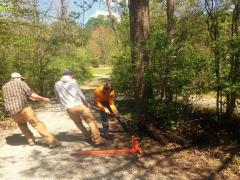
Seed catalogs have long been abandoned, as many of us are grabbing onto our shovels and rakes, waiting for the weather to warm and the ground to thaw. If invasive plant control is on your “to-do” this spring, here are some recommendations for useful tools, and resources for how to use them. 

Ever tried to grub up a...

Notes From the Garden: Pulling Up Invasive Plants Calls for New Devices

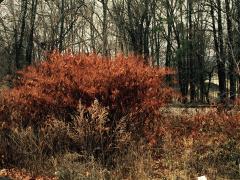
"Going for a walk the other day along a public trail I was struck by the number of invasive shrubs I saw. Most trees and shrubs have shed their leaves, but burning bush (Euonymus alatus), Japanese barberry (Berberis thunbergii) and honeysuckle (Lonicera spp.) still have leaves on their branches. Holding leaves and producing food by photosynthesis gives them extra energy to take over the world...

Invasive plant choking off acreage that farmers need

"STERLING - There is a swath of grass cut on the edge of a field at Michael Pineo's farm about one-and-a-half highway lanes wide, but even that does not protect the field from one of Central Massachusetts' most challenging invaders.

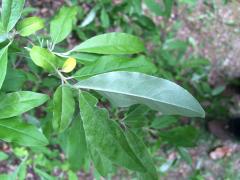
"It still spreads everywhere," he said, pointing to tree-sized bushes of autumn olive - plants once used for roadside stabilization but now are an invasive...

Invasive species add to monarch butterfly’s woes

"Most readers are familiar with monarch butterflies (Danaus plexippus). The striking orange and black species has historically been widespread throughout North America.

Its life history makes it an attractive tool for lessons about insect ecology. Monarch caterpillars forage exclusively on milkweed (Asclepias). Foul-tasting chemicals they acquire from the plants render monarch...

Southwest Struggles To Stem Fire-Fueling Invasive Plant

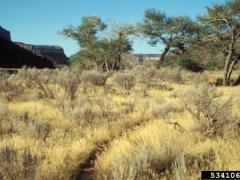
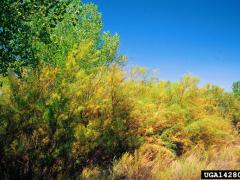
"The tiny seedling was brought over from Eastern Europe and parts of Asia nearly 200 years ago and planted along riverbanks across the United States, mostly in the Southwest, to prevent erosion. It grew fast, its thick branches and oily leaves spreading across five states. As years passed, it became obvious that the introduction of salt cedar, or Tamarisk trees was a mistake. The invasive tree...